Click on the photographers to access their bios and photo gallery
Trial Astrophotography Page
Technology has changed astronomy for us hobbyists. Traditionally, we observed objects in the night sky by using a telescope and an eyepiece. This focused greatly magnified and brightened light from the objects directly into your eye. For those doing astronomy this way, great improvements have been made in telescopes, mounts and in the quality of optics. However, this practice relies on the eye for capturing the light traveling through the sky. So fundamentally, this practice is limited by the capabilities and condition of one’s eyes, how one is able to peer through the eye piece.
Sophisticated cameras, electronics, filters and a variety of computer software now available at very reasonable to no cost, has changed “viewing” in astronomy for many. With images captured by cameras we are now able to see (or visually represent) what the eye fails to perceive by direct observation. Technology has given birth to EAA (Electronically Assisted Astronomy) and Astrophotography, two of the ways to “see” a lot more of the objects in the night sky.
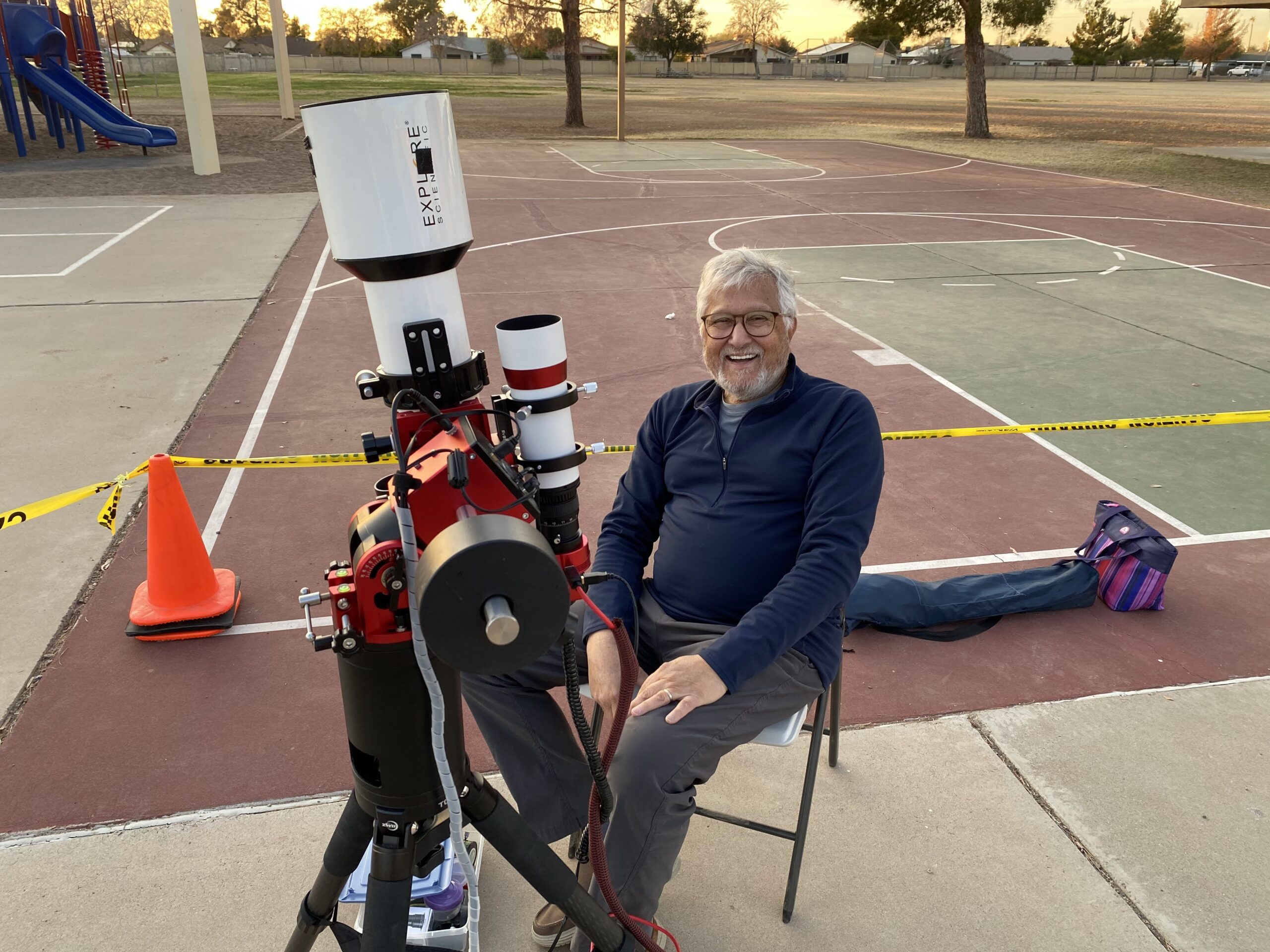
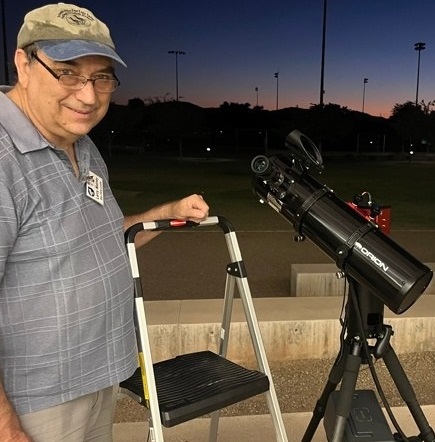
Many of WVAC members are dedicated to these disciplines and use it to explore what is beyond the reach of our eyes. This growing group of members use a variety of equipment and processing software.
We also have a very active forum where we share our experience and help each other learn and grow in this rapidly growing area of astronomy.
Come join us if you’re interested in learning what’s beyond the reach of our eyes!
Some basics (probably oversimplified) of what is involved in astro-imaging.
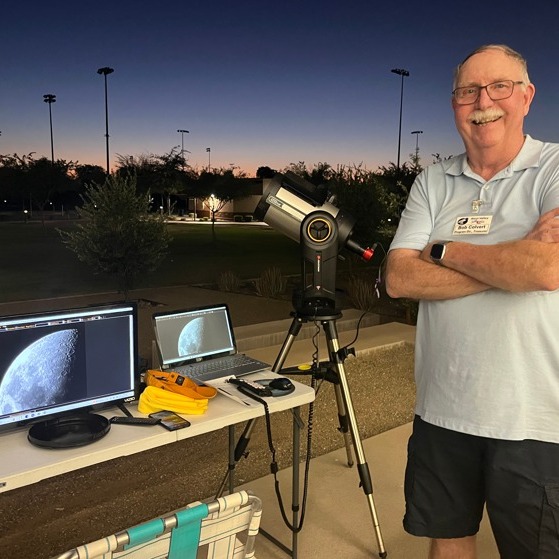
EAA (Electronically Assisted Astronomy): In EAA, the light through the telescope is captured by a camera and the resulting image observed live on a phone, tablet or computer screen. Using a camera for “live” observation offers distinct advantages over using the human eye. One can see objects in more detail and in color; and there is the possibility of reducing the effect of light pollution using filters. For people with visual impairments or those who have trouble using an eyepiece, EAA is a wonderful way to do “live” observations or sharing that experience with others. Computer software (e.g. SharpCap used by many or ASIAir astronomy computer) allow the capture, preprocessing, stacking of images captured with the end result being viewable in real time on a screen.
Astrophotography: Astrophotography has many specialities, all requiring slightly different equipment and software. Typically, light, usually very faint, coming from a distant objects is captured by the camera with a lot of “noise” introduced by the equipment (electronic, mechanical and the optical components), as well as atmospheric conditions. So, most of the approaches to astrophotography require capturing a lot of images and combining them to consolidate the light signal and reduce the effect of the “noise”. There are many free software systems available that help in this regard.
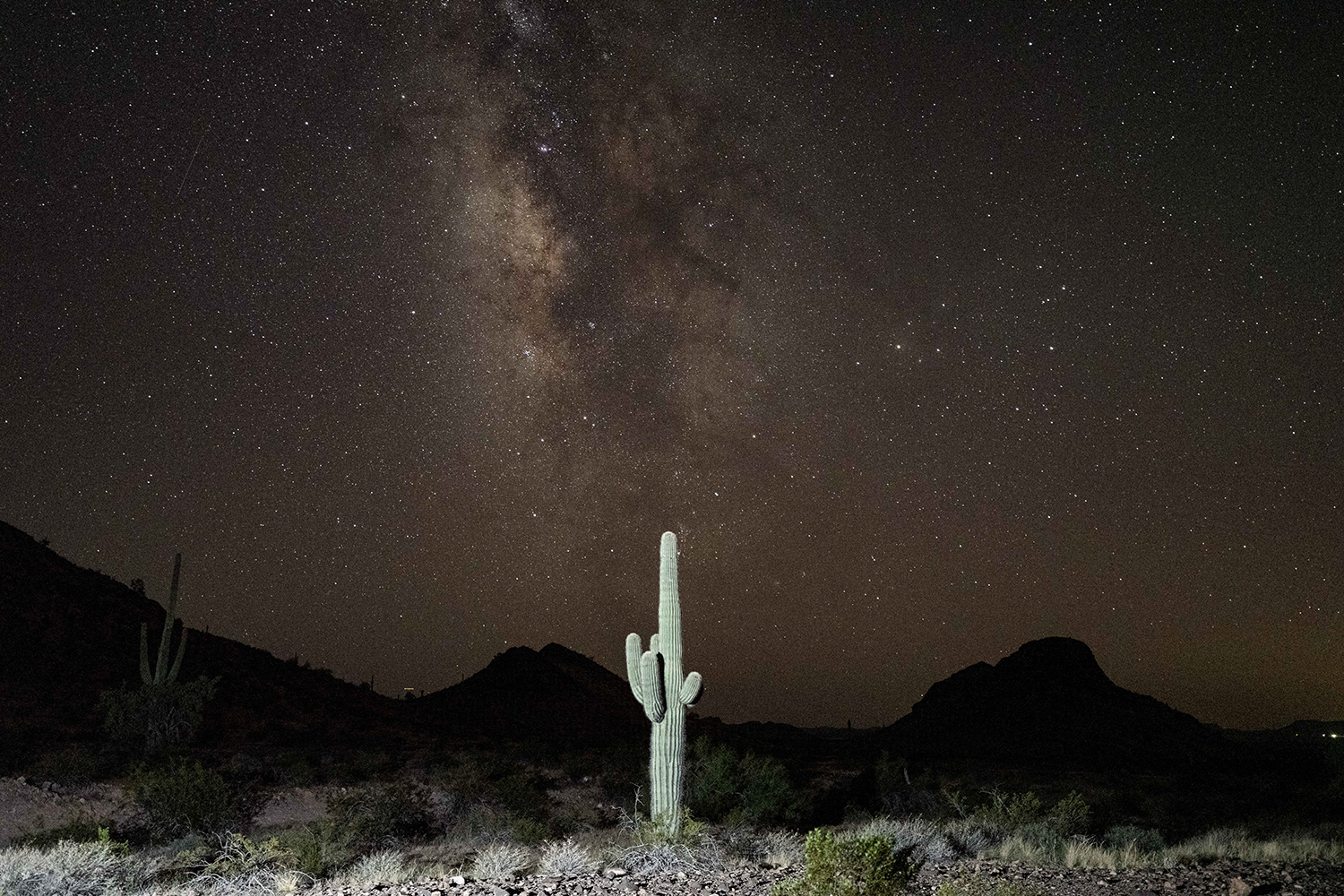
– Milkyway Photography: Photographing the Milkyway or capturing stellar motion during the night can be done with a variety of different cameras, without or without tracking the stars and with or without using any software. It is a favorite of many photographers.
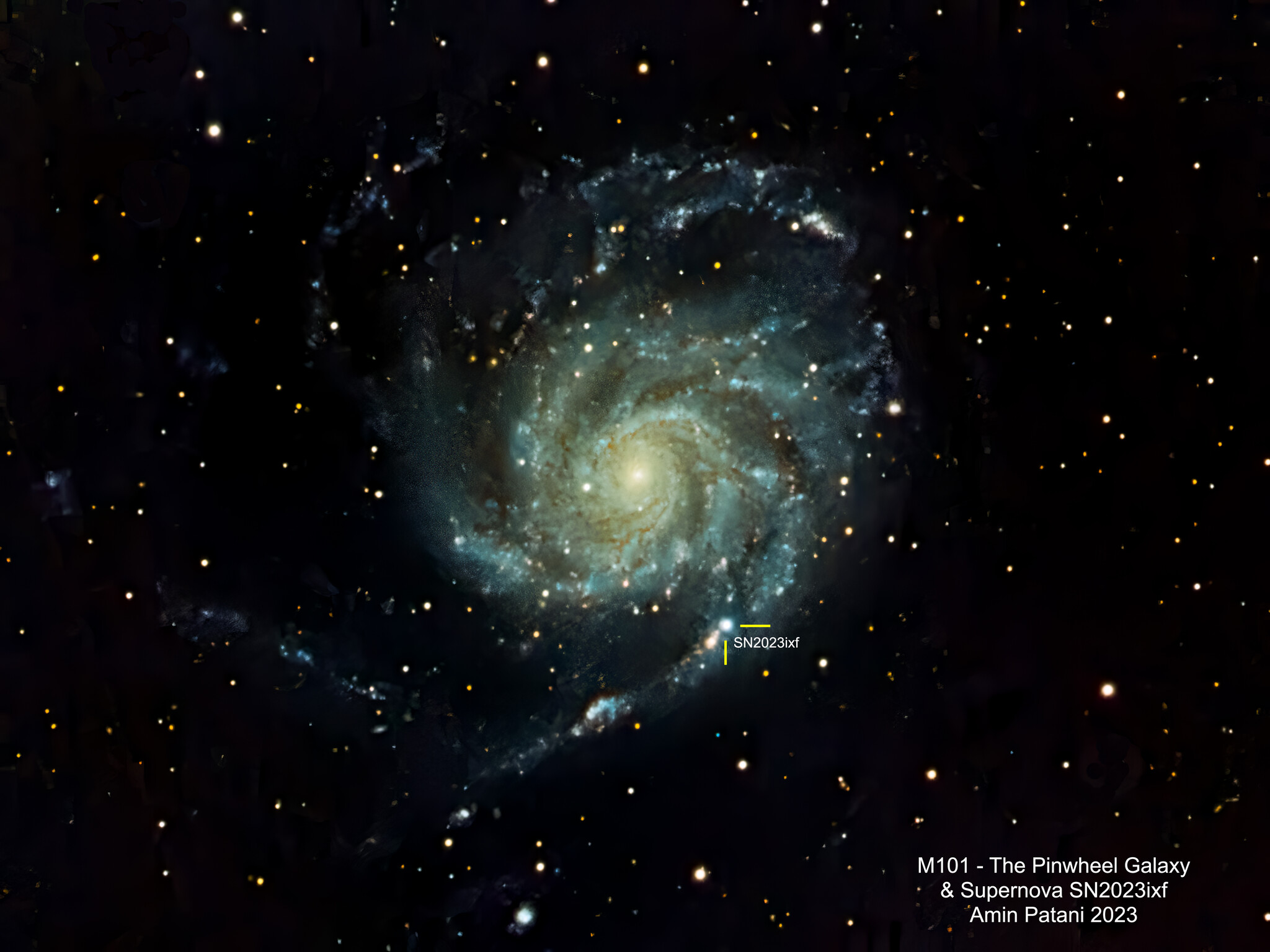
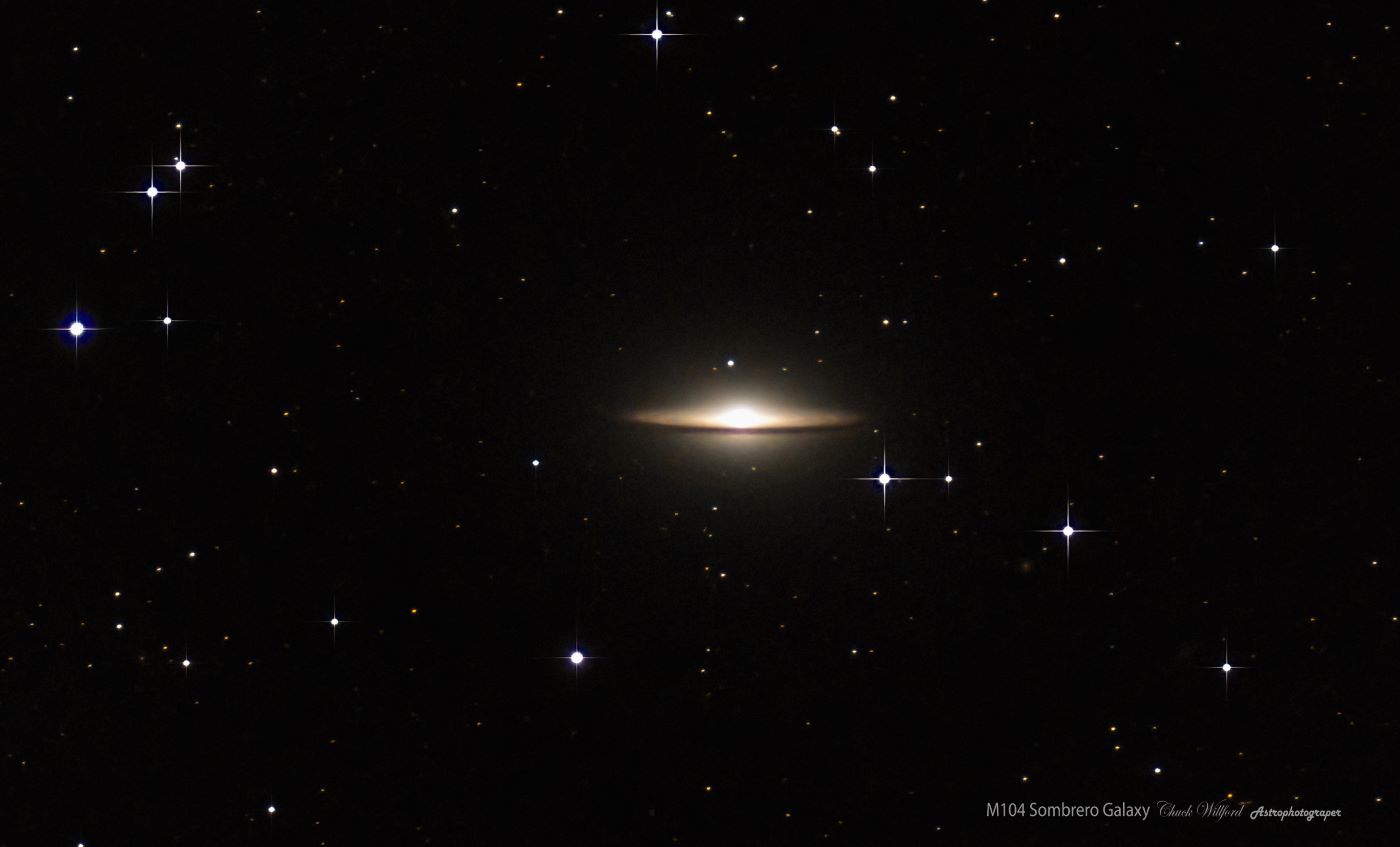
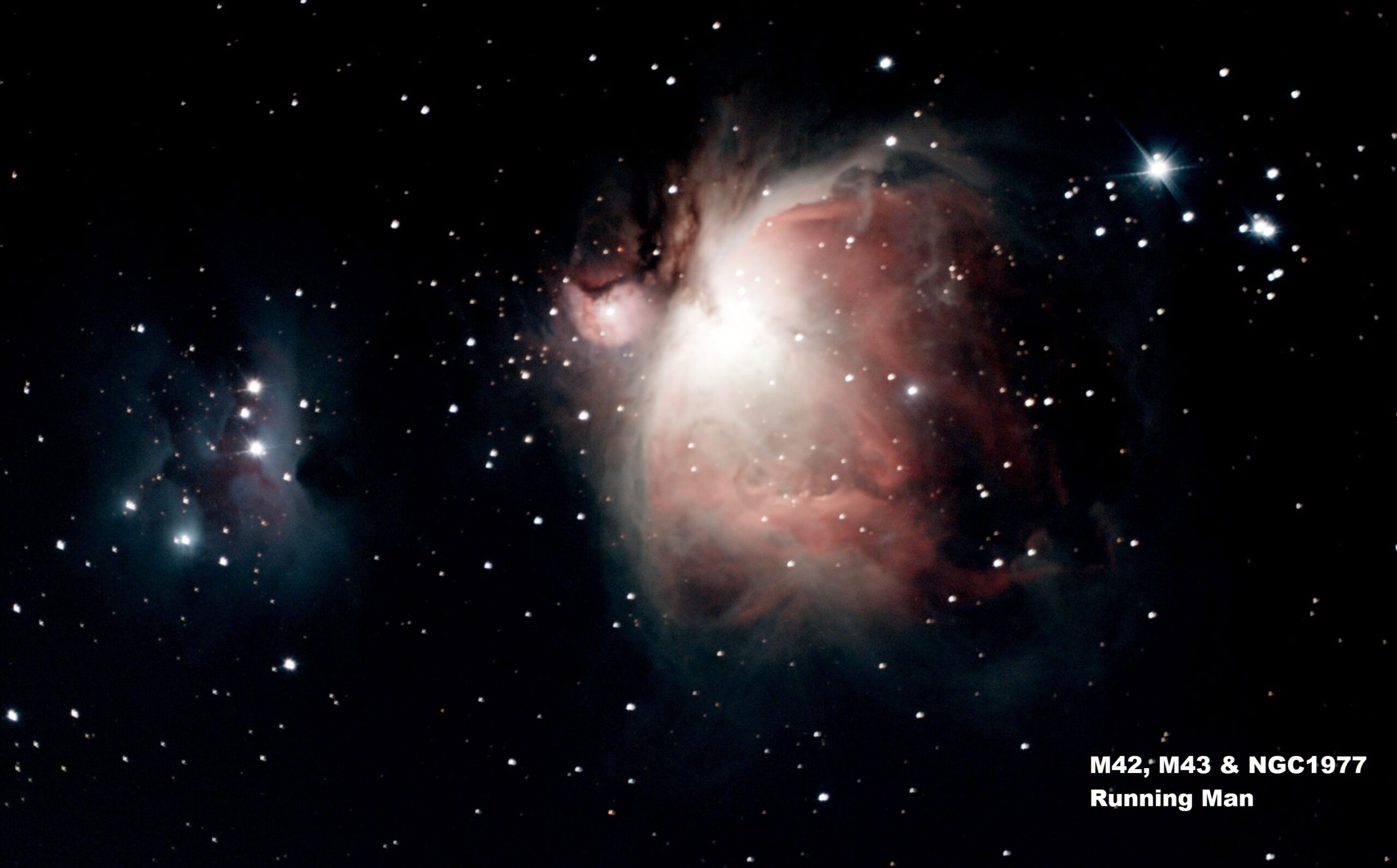
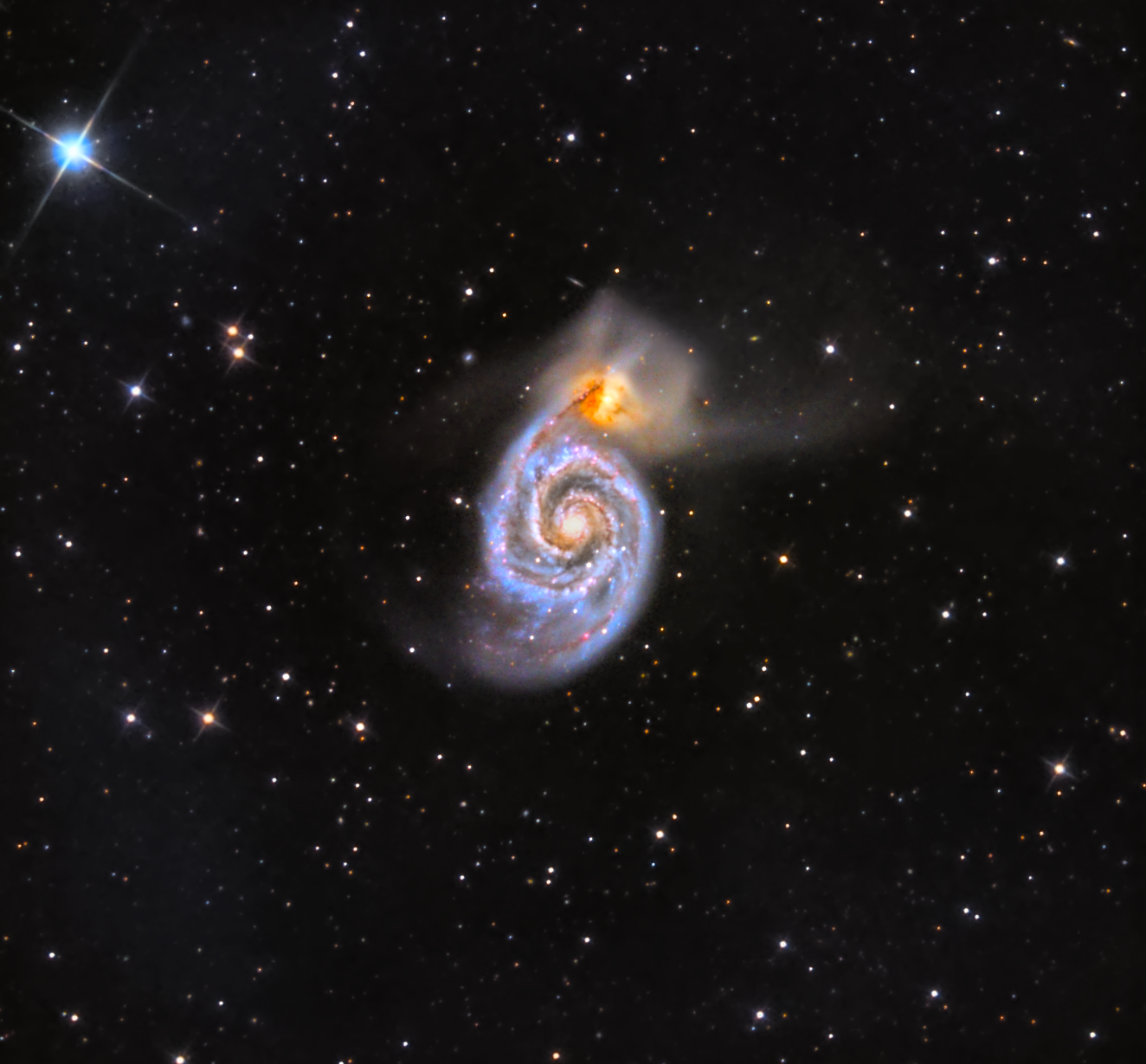
– Dark sky Object Photography: Dark sky objects like star clusters, galaxies and nebulae are the majority of targets of Astro photographers. Typically, the long exposure images are taken and then “pre-processed” to subtract out the effects of some components of noise (equipment related calibrated by images taken under controlled conditions). These pre-processed images are then “stacked” to consolidate the light signal. The final stacked image is then further processed to bring out the features of the object over the background (by technique called “stretching”). Image processing techniques is then used to sharpen, reduce noise and enhance color.
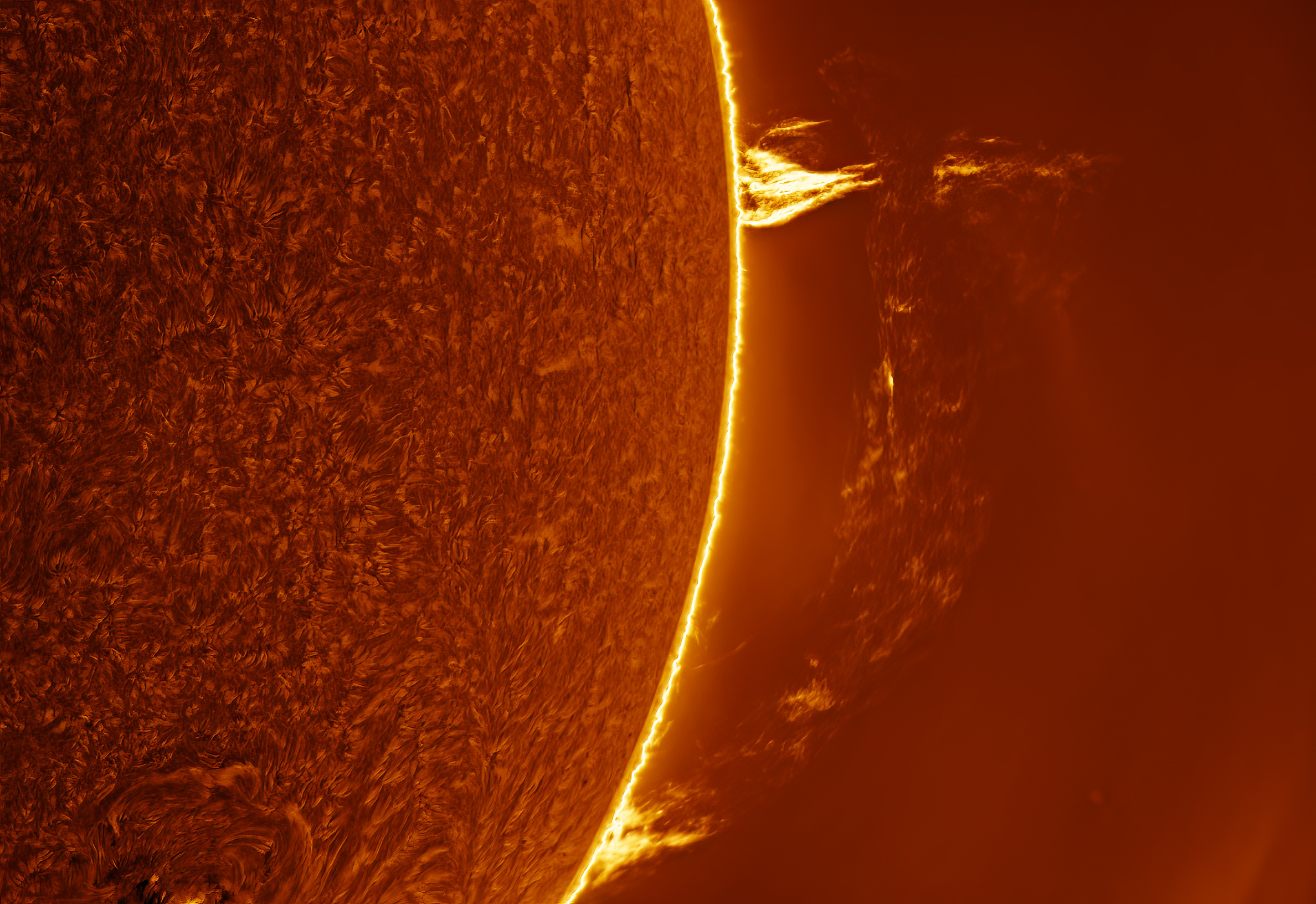
– Planetary and Solar imaging: This is a very different and specialized field of astrophotography. Because these objects are bright, short exposure images are needed; often times at video frame rates. Many cameras can do this, including webcam cameras! These images need to be sorted and stacked and further post processed to further bring out the details and the colors of the objects.
– Images from Hubble, Webb and other Data: An emerging practice in astrophotography is using the data captured by public terrestrial or extraterrestrial telescopes. This data (essentially stacked images in various color/wavelength regime) can be used further processing and colorizing to produce incredibly beautiful astro photos.
If any of these fields interest you, join us, share your experience and let enjoy this hobby together with our members.