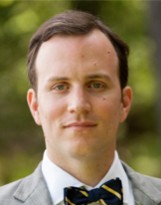
 Dr. Thomas Beatty, Arizona State University Topic: Exoplanets. Dr. Beatty research focuses on exoplanets, from first detection through to characterization of their atmospheres and climates. He uses near-infrared telescopes on the ground (primarily the Large Binocular Telescope, and the Hobby-Eberly Telescope) and space (primarily Hubble and Spitzer Space Telescopes and JWST in the future) to make super precise measurements of the light from exoplanets and their atmospheres. The goal is to better understand the cloud properties, composition, and formation histories of giant exoplanets, and to work towards the eventual characterization of the atmospheres and climates of smaller planets than might host life.