EDUCATION/EXPLORATION/RECREATION

  • Home
  • Membership
    • Online Registration
    • Online Dues Payment
    • Member Listing
    • Member Login
  • Club Meetings
    • Past Meeting Presentations
    • Club Calendar
    • WVAC’s YouTube Channel
  • Star Party
    • Party Schedule
    • Party Location
    • Recreation Permit
    • Party Etiquette
    • Notification Form
    • What to Bring
    • Weather
    • Objects in the sky
  • Outreach
    • Past Outreach Events
    • Library Telescope Program
    • Solar Telescope
  • Field Trips
    • Past Field Trips
    • Night Sky Network
  • Astroimaging
    • Astro Photographers
    • Astroimaging Forum
    • Astroimaging Meeting Presentations
    • Astroimaging Tools
    • Astroimaging Edc.
  • Resources
    • Light Pollution Map
    • Dark Sky Locations
    • Local Observatories
    • Astronomy Tools
    • Astronomy Edc.
    • General Resources
    • Forsale Astronomy/Telescopes
    • Comet C2023 A3
    • Astronomy 3D Printing

Astro-images

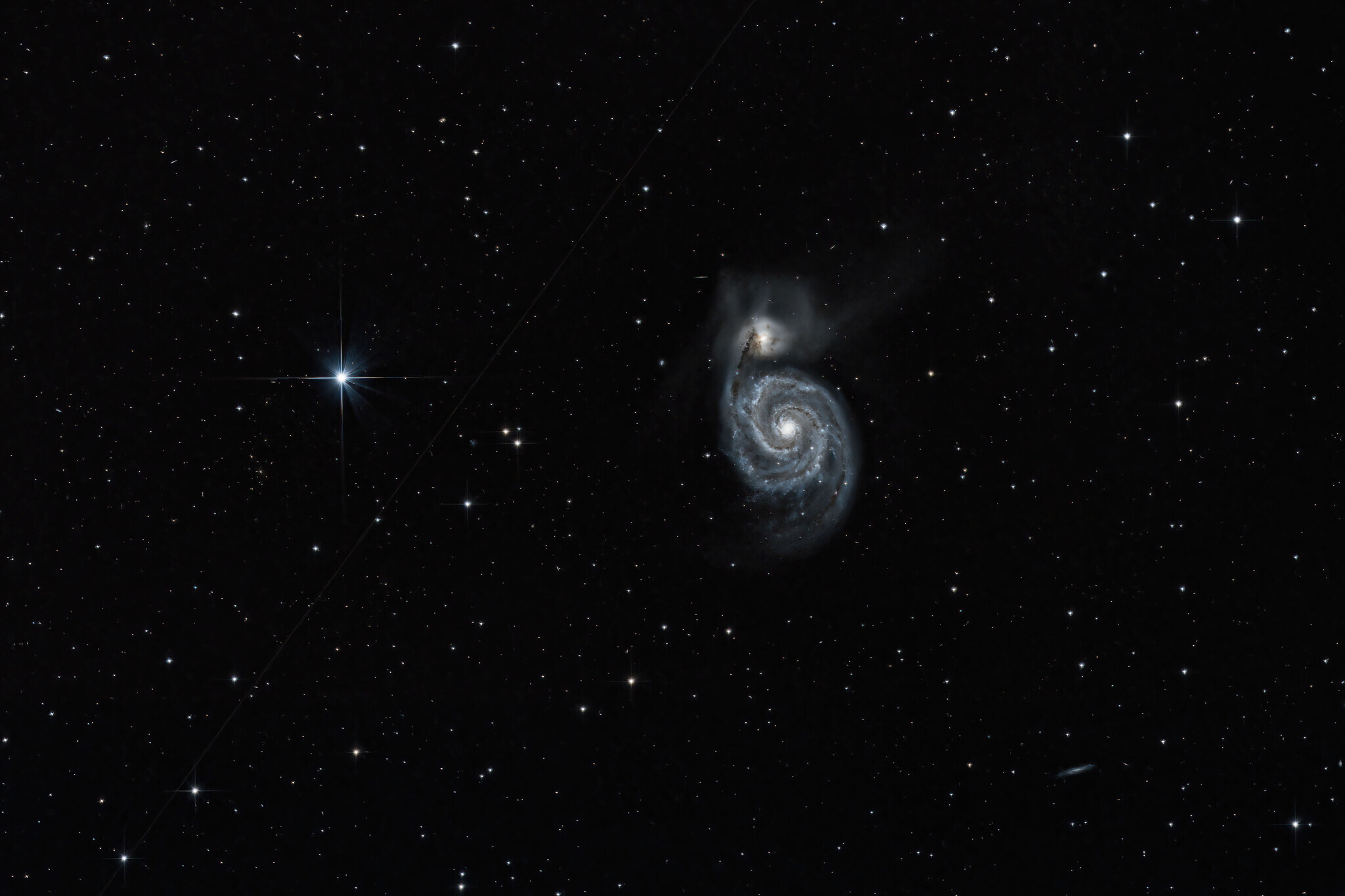
Larry Matney’s Photos

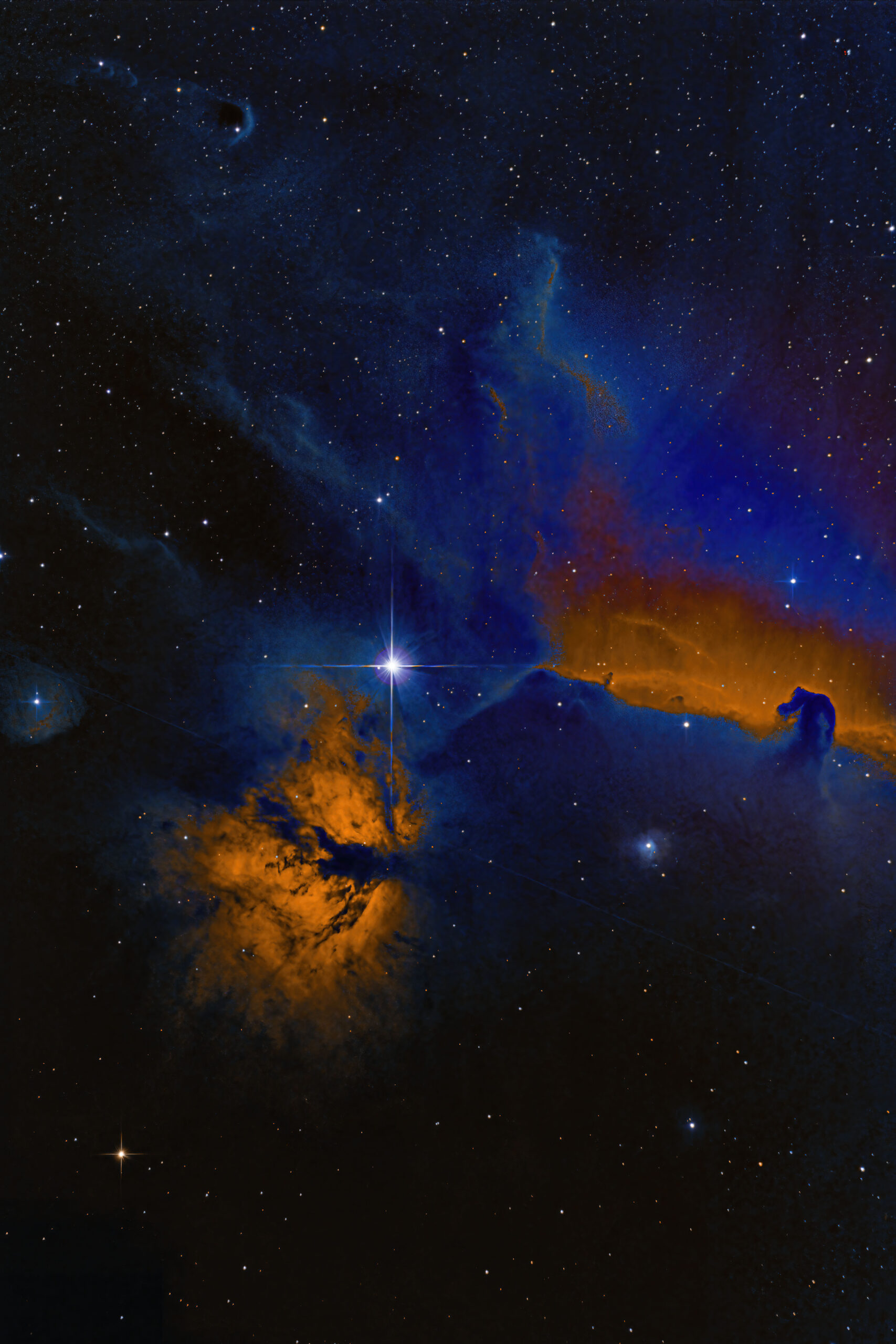
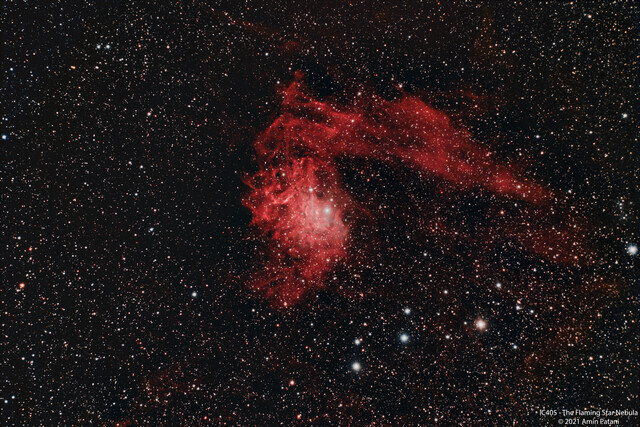
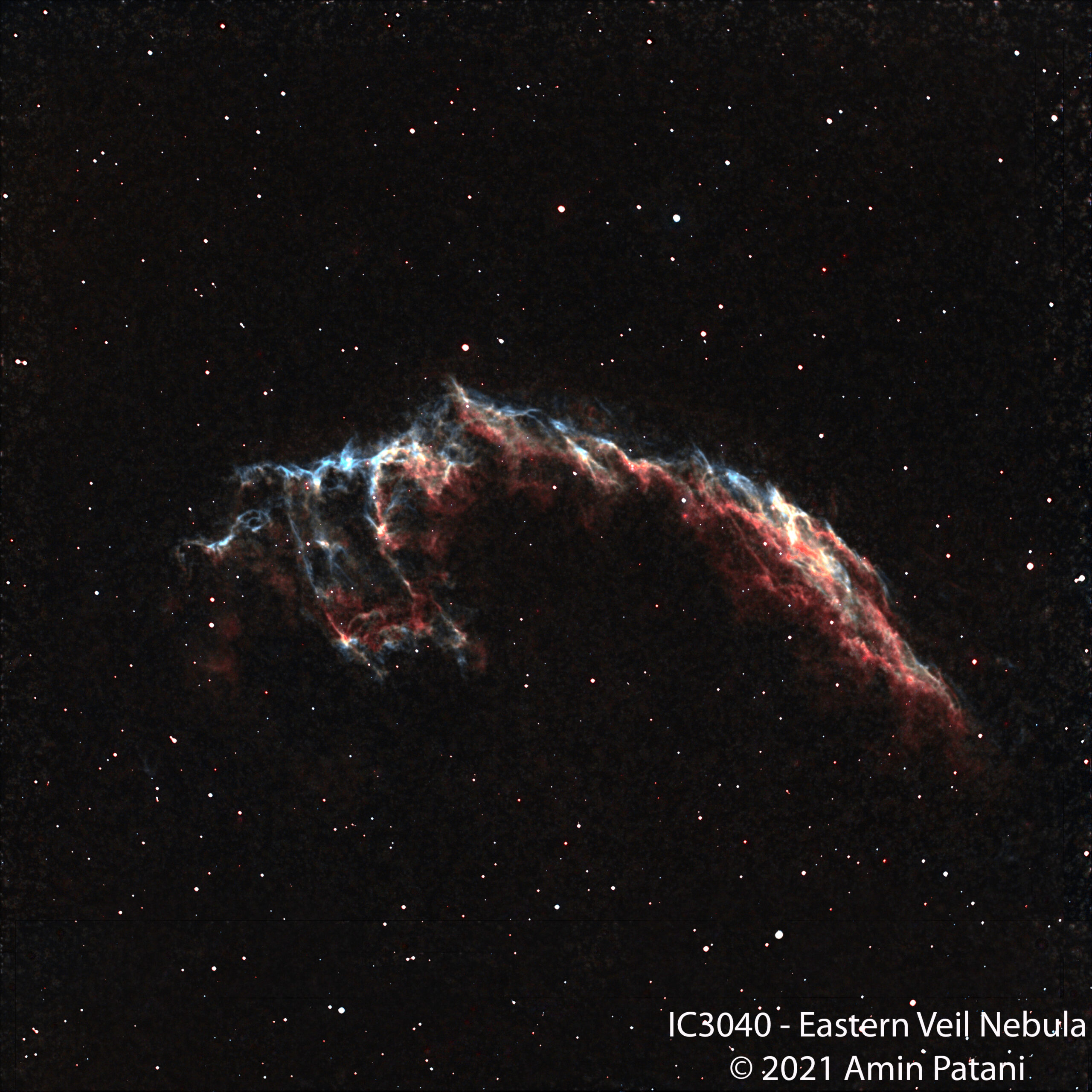
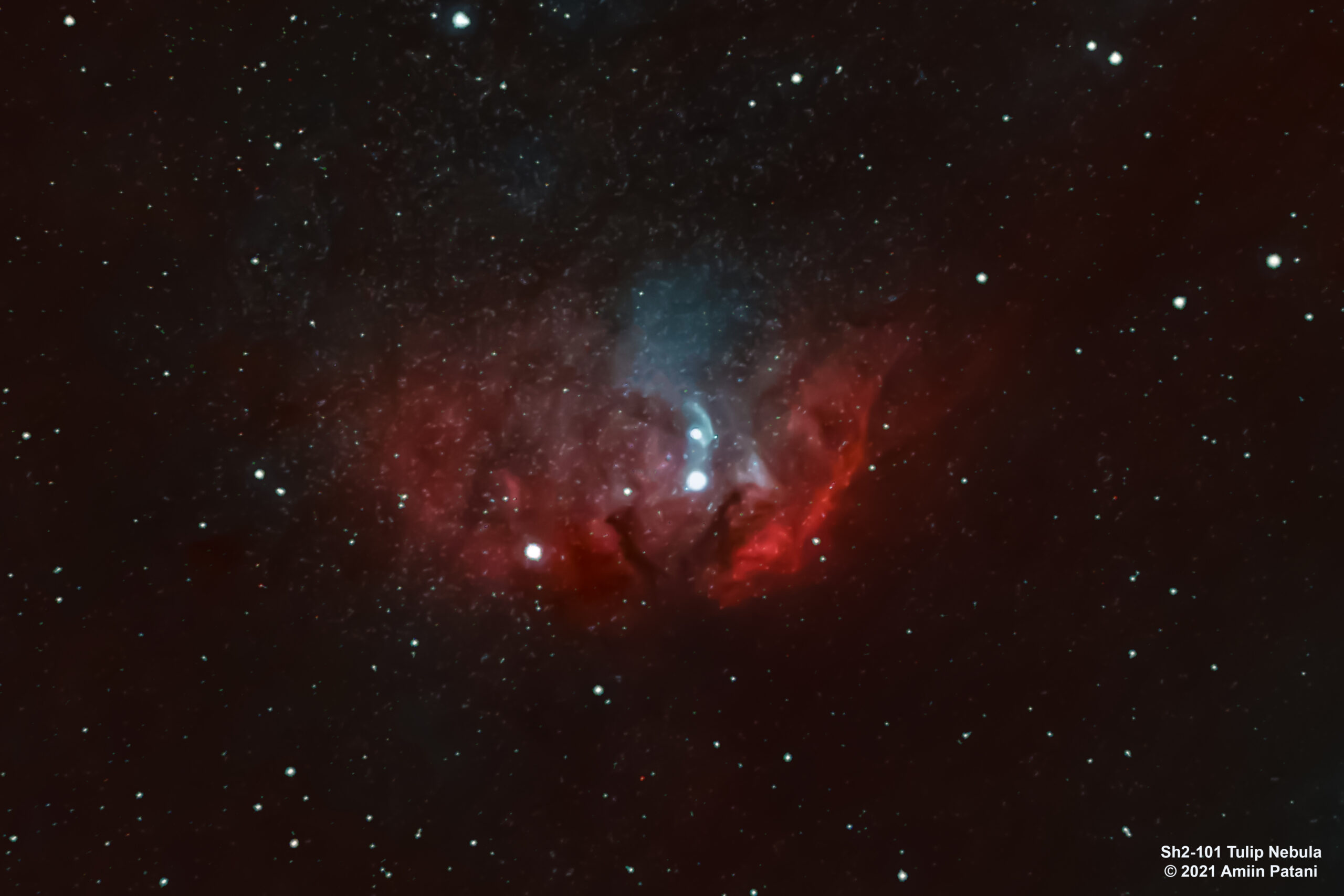
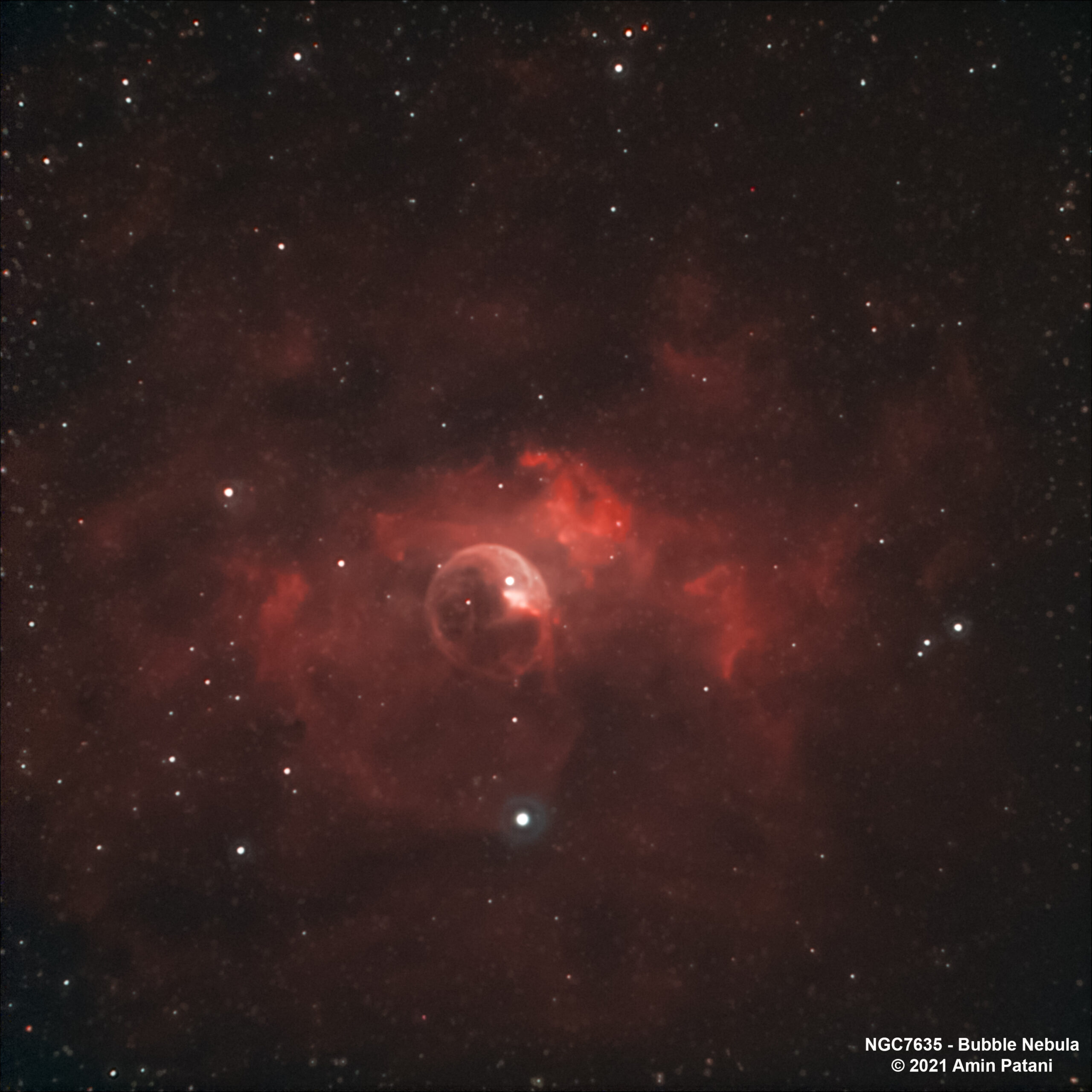
Amin Patani’s Photos

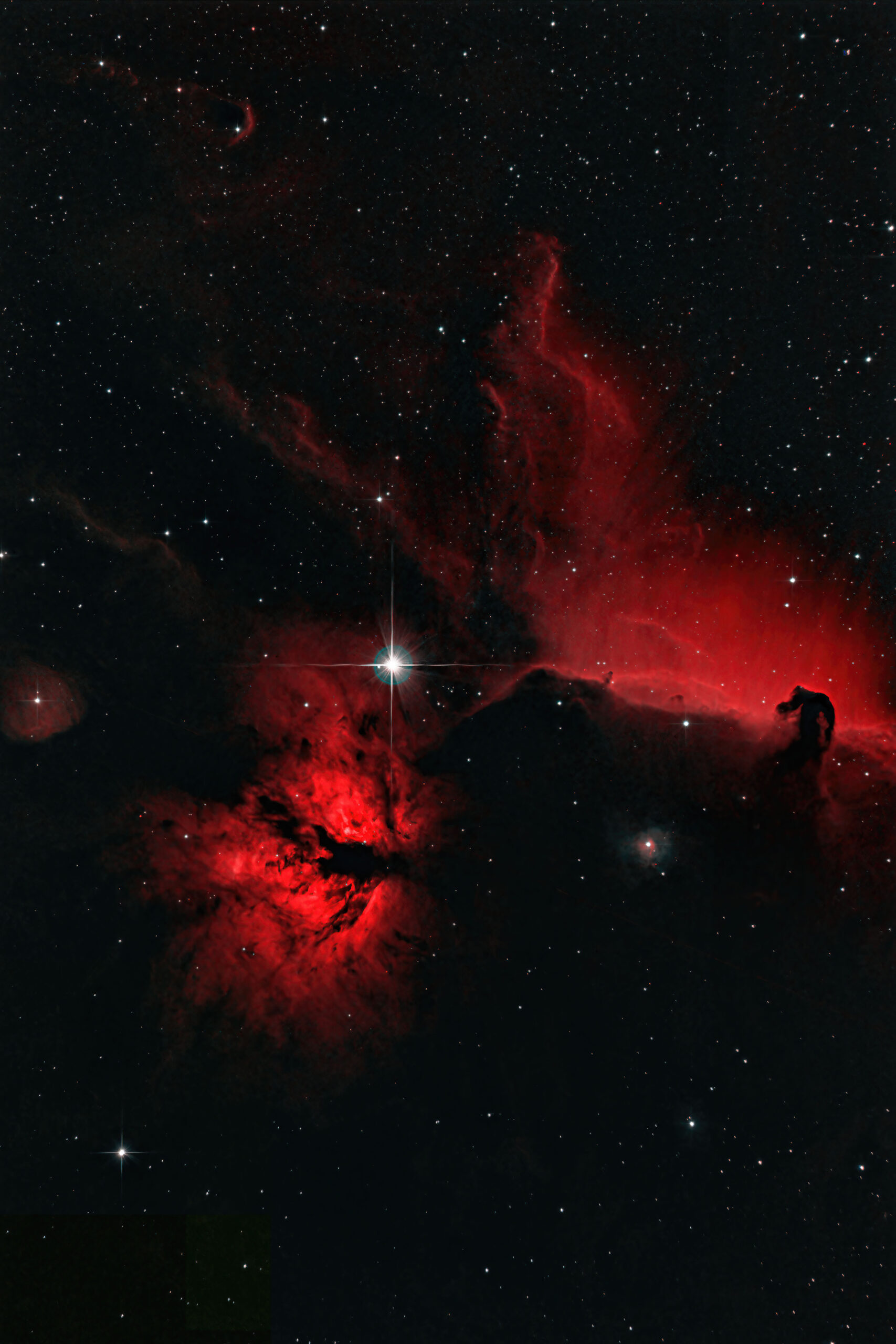
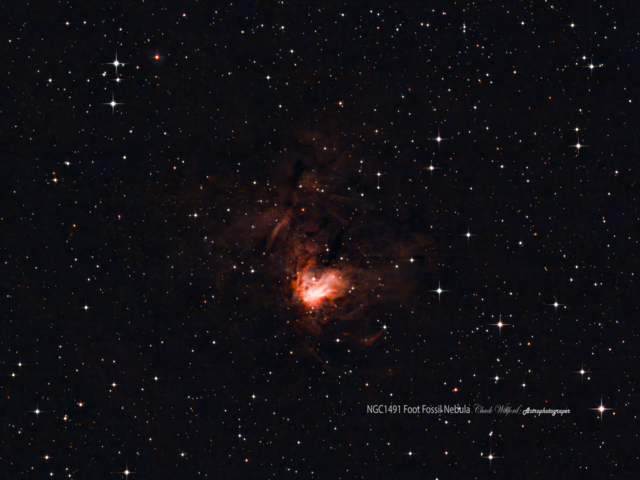
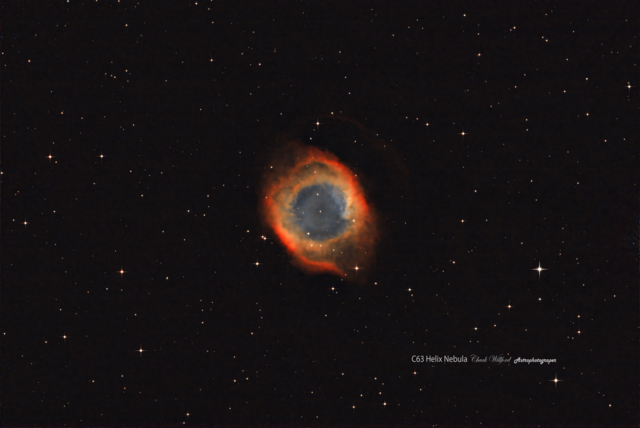
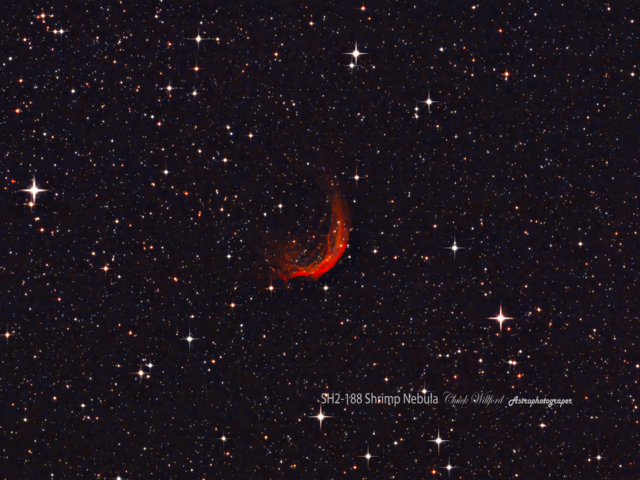
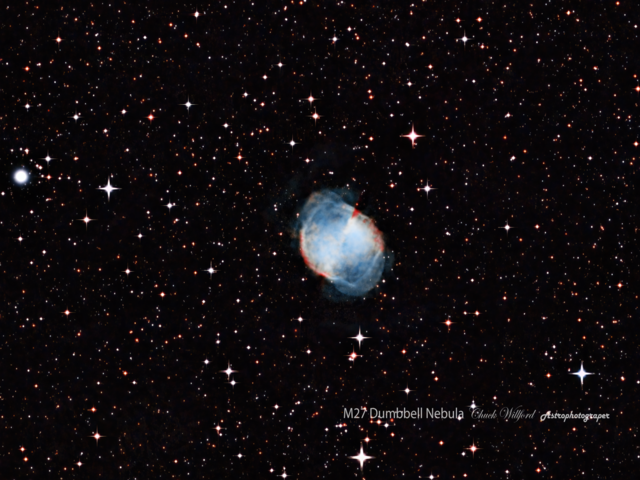
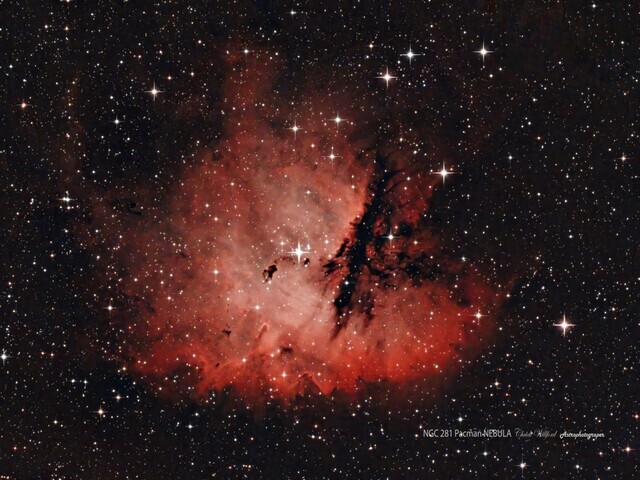
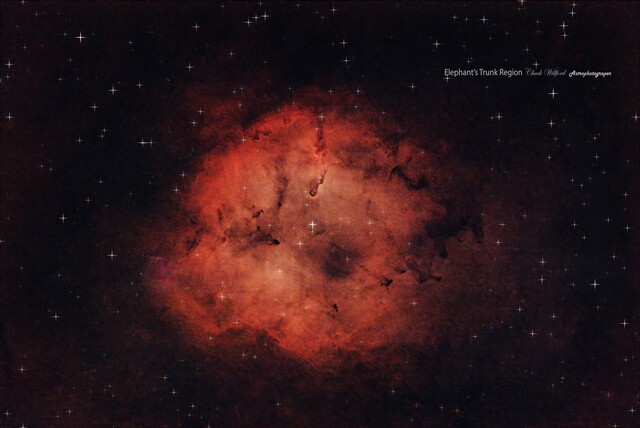
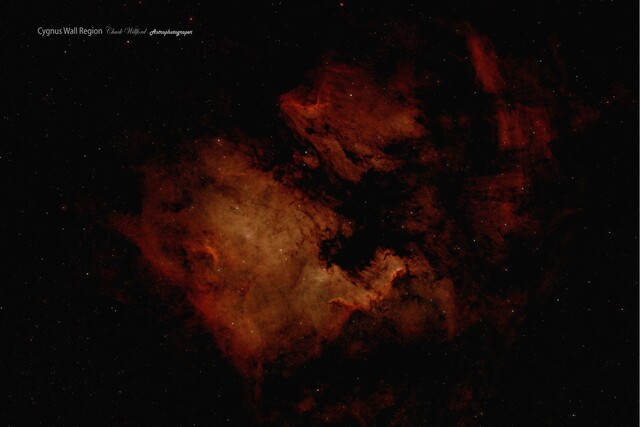
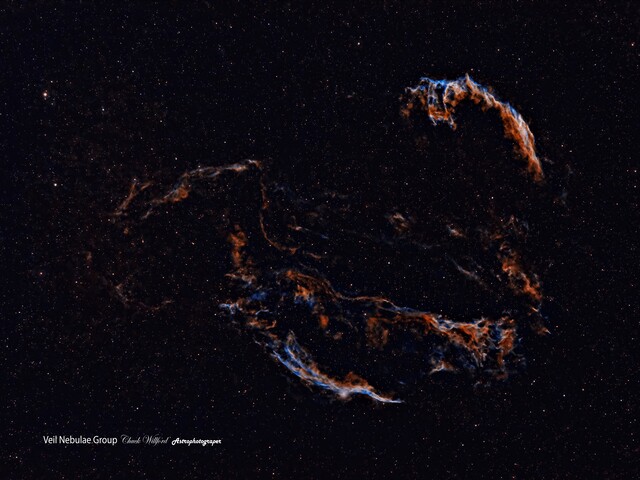
Chuck Wilford’s Photos

Hal Szklinski

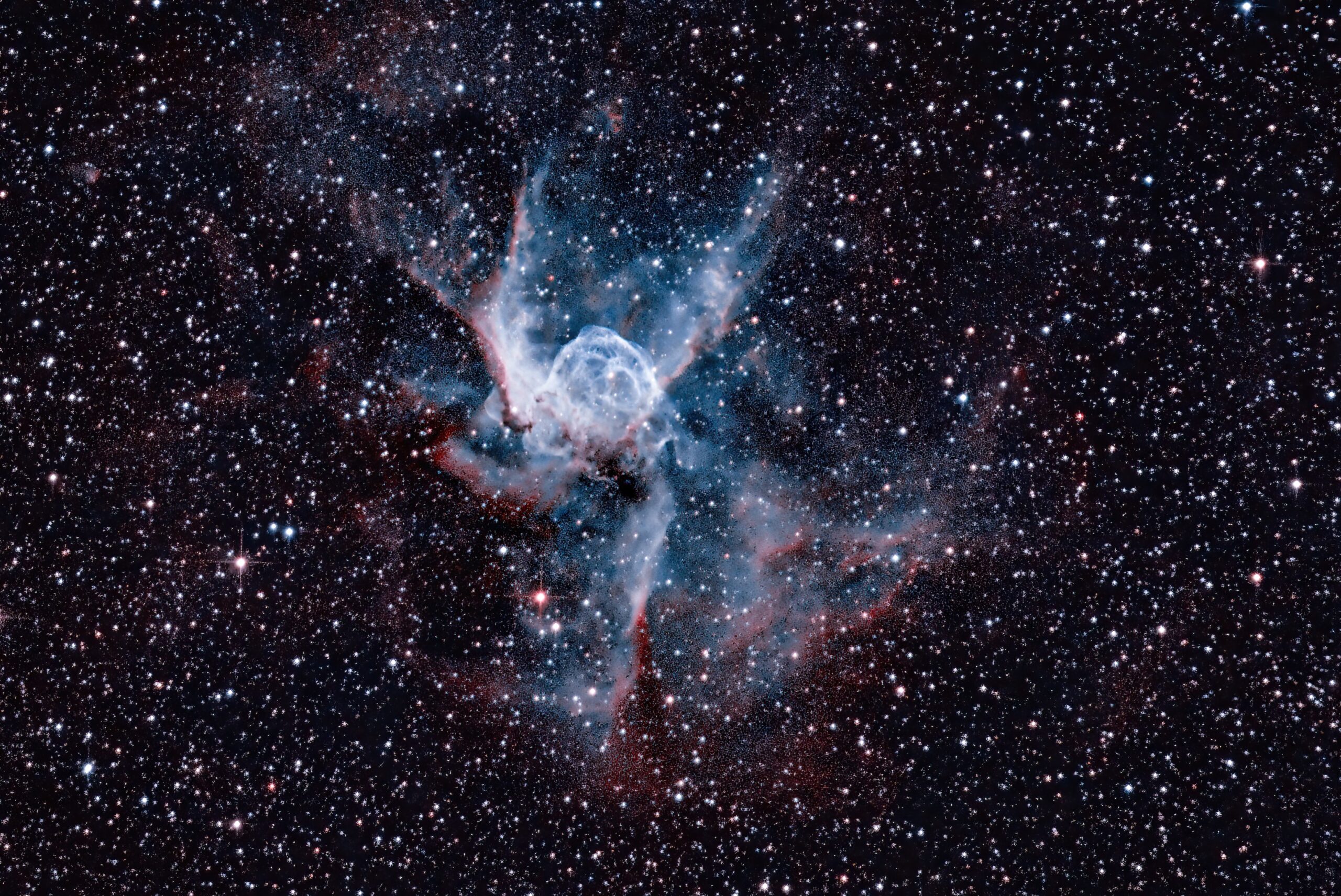
Thomas Mastrocinque’s Photos


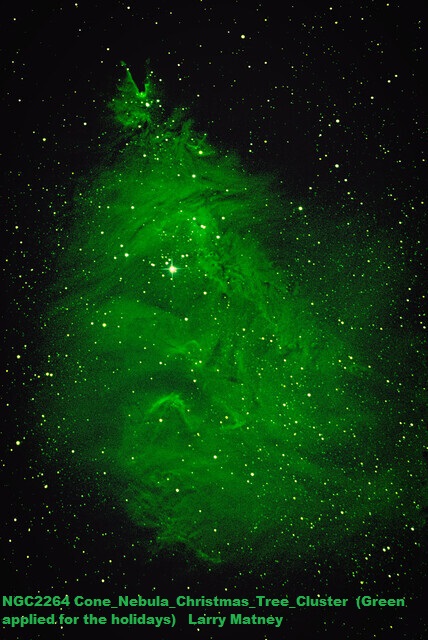
Larry Matney

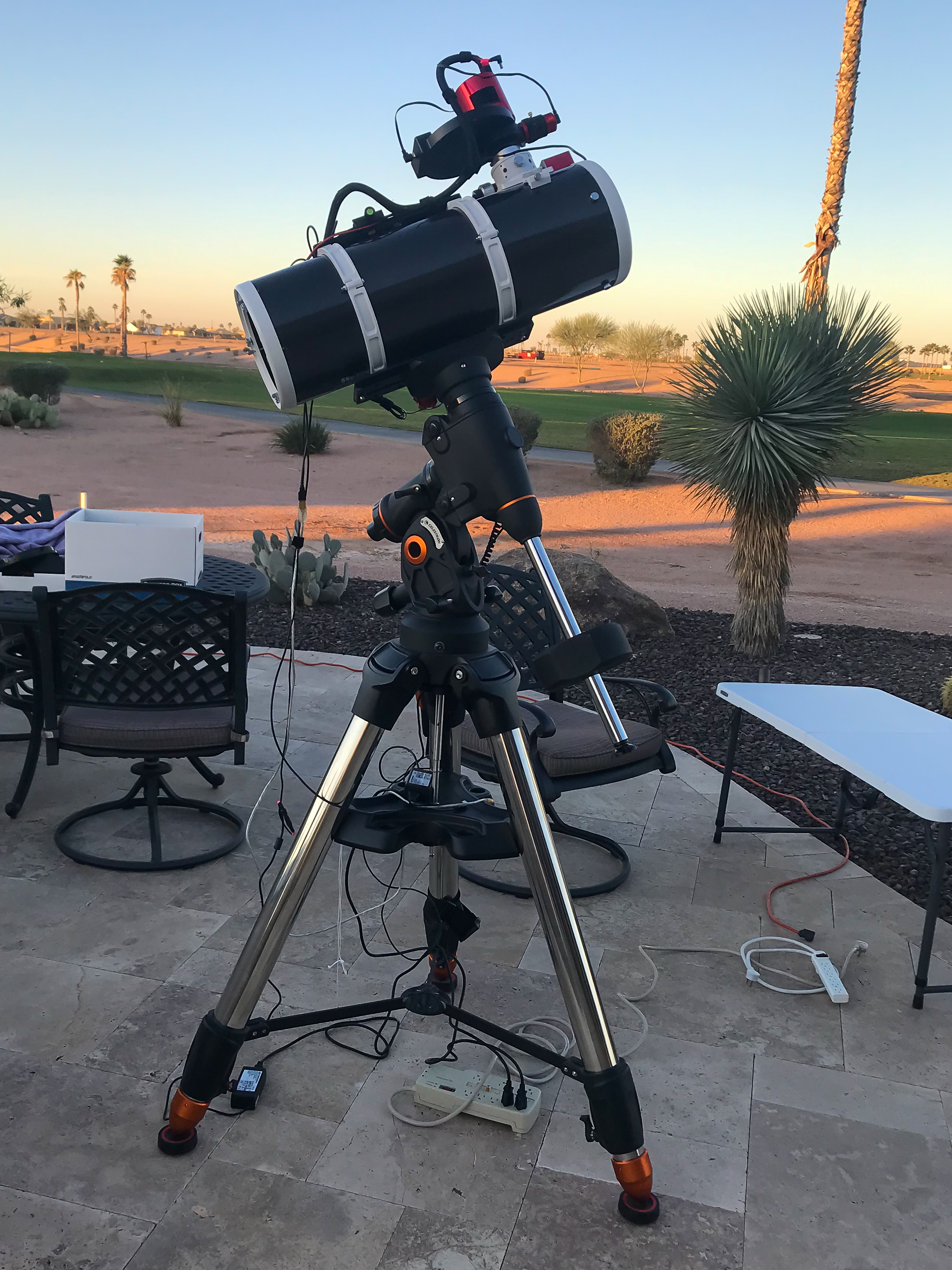
Larry is a long time landscape and wildlife photographer. In 2016 he purchased his first
telescope and started visual astronomy. A couple of years later he started to take
photographs with the telescope.
He now has several telescopes and also uses Nikon prime lenses as shorter telescopes to
obtain wide fields of view. They range in focal length from 50mm to 1625mm. He has a ZWO
AM5 mount and a Celestron CGEM DX mount. For visual use he has an assortment of
eyepieces.
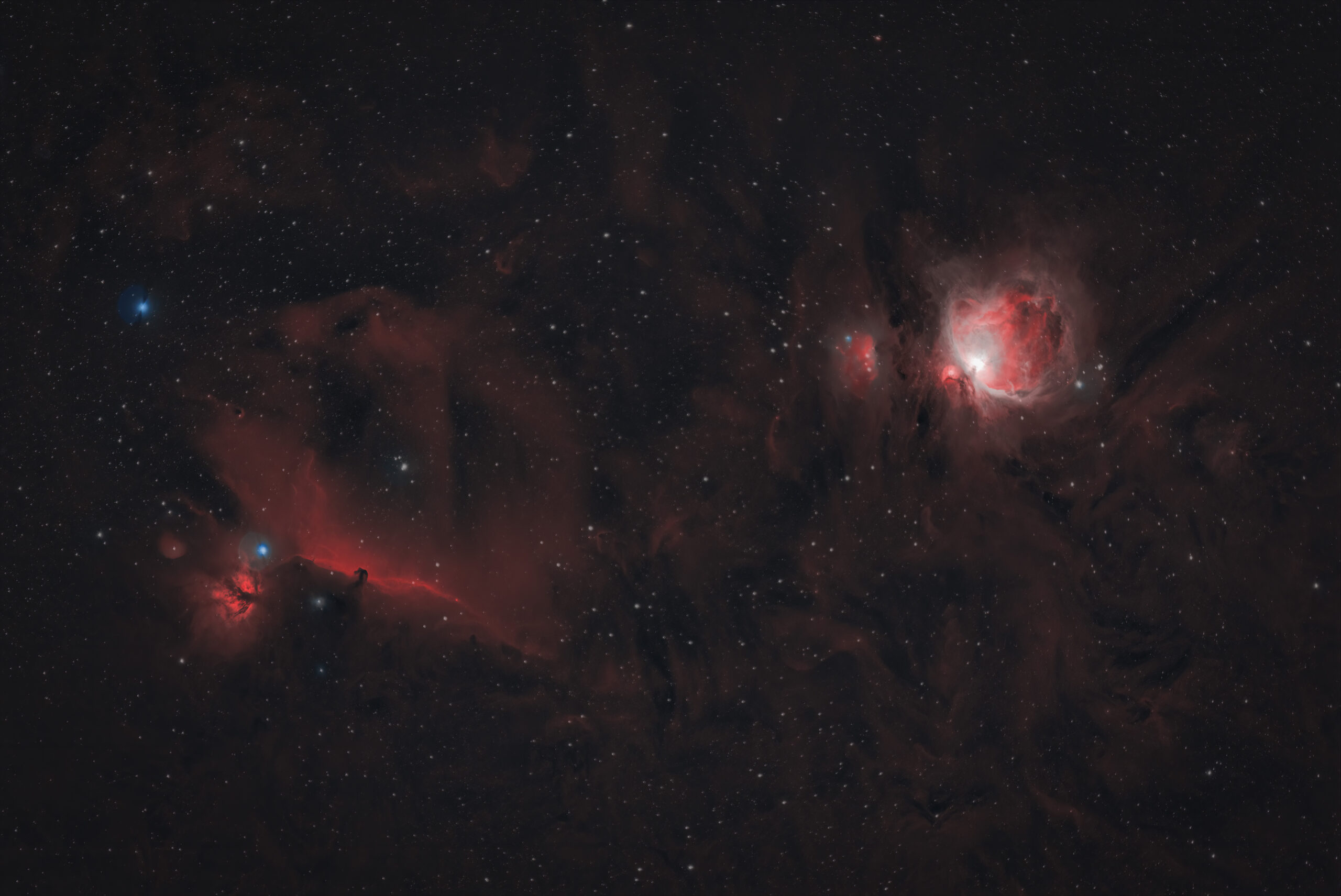
For normal astrophotography he uses an unmodified Nikon D800e or a monochrome ZWO
ASI2600mm Pro camera with LRGB and narrowband filters (Ha, OIII, SII) to produce color
images. For guiding he uses an off axis guider with a ZWO ASI174mm Mini camera, or a
50mm f4.2 guide scope with a ZWO ASI120mm-S camera.
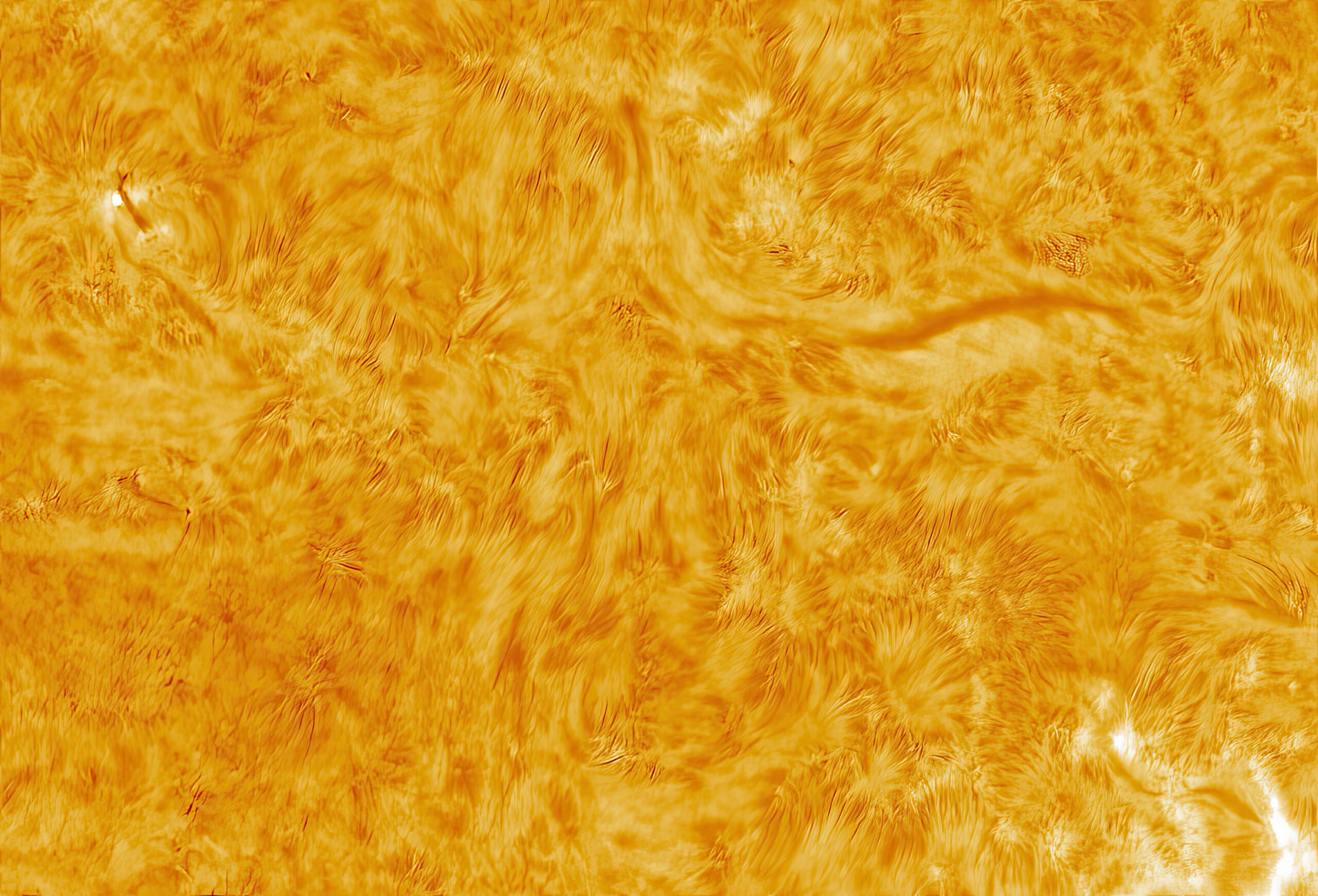
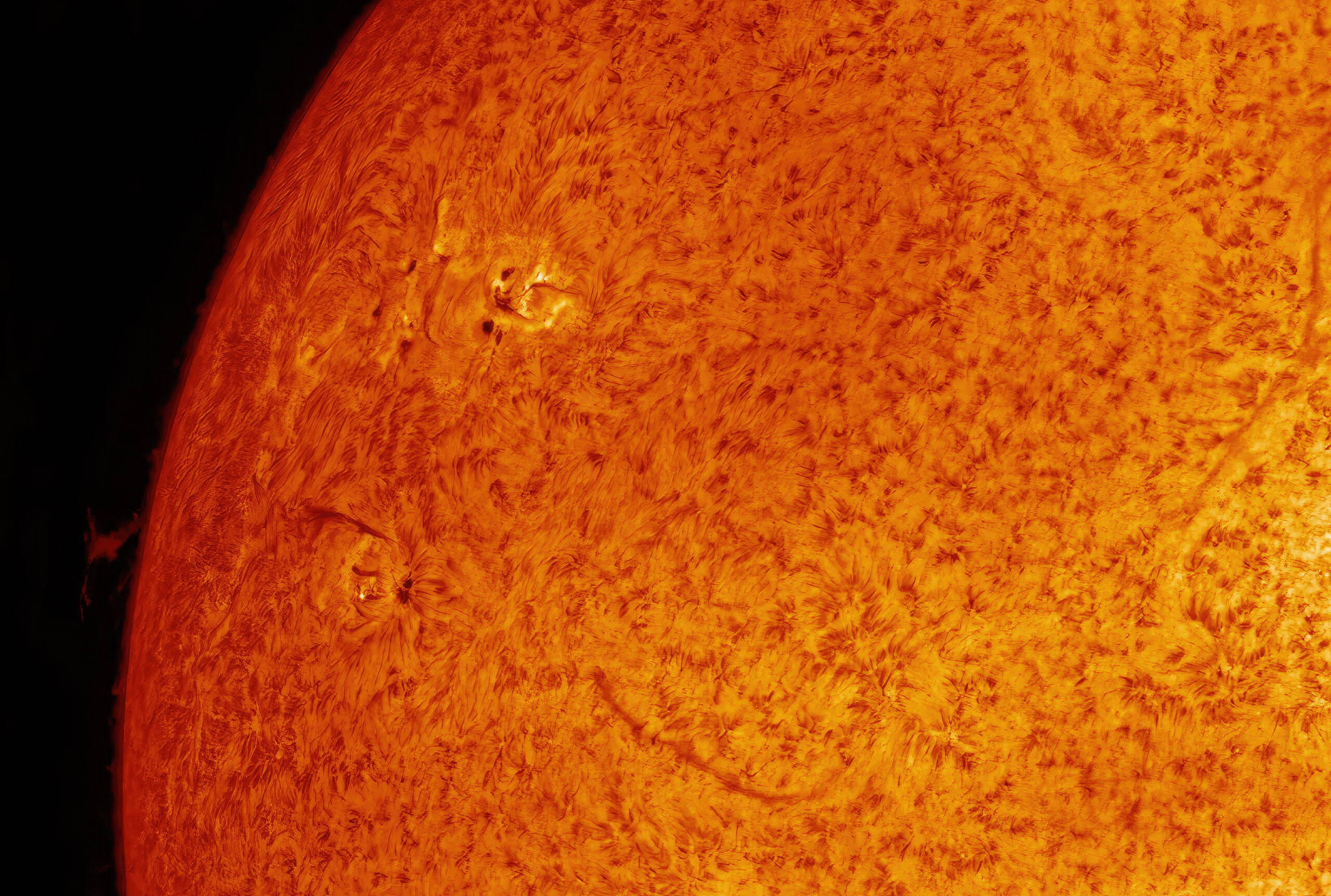
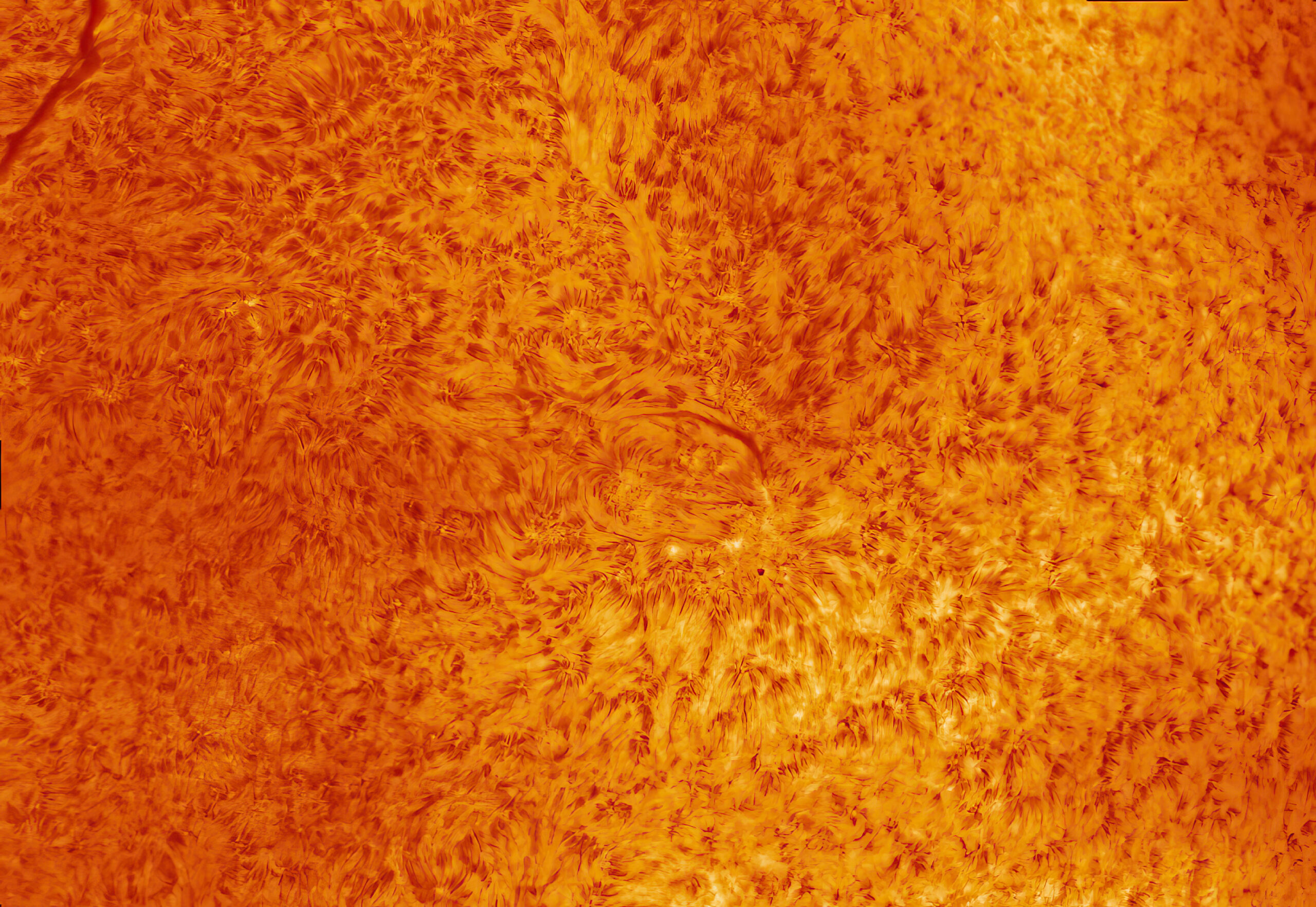
He recently started doing Solar imaging. This is mostly done with a DayStar Quark Ha filter
and a PlayerOne Apollo M Max camera on a 103mm or 150mm refractor.
He uses NINA with PHD2 for astrophotography imaging sessions, and SharpCap for Solar
sessions. For post processing he primarily uses Deep Sky Stacker (DSS) and Adobe
Photoshop.

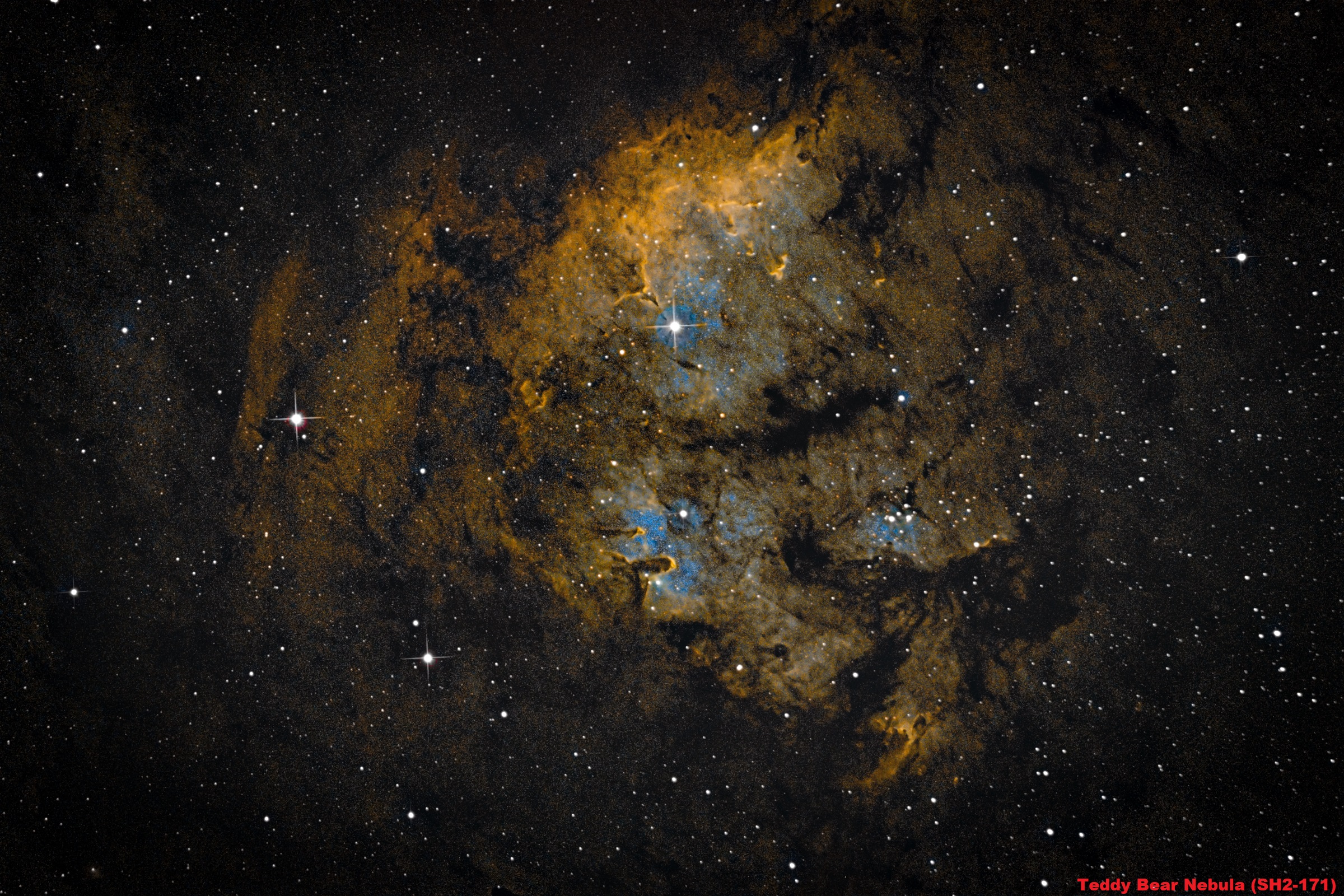
Amin Patani

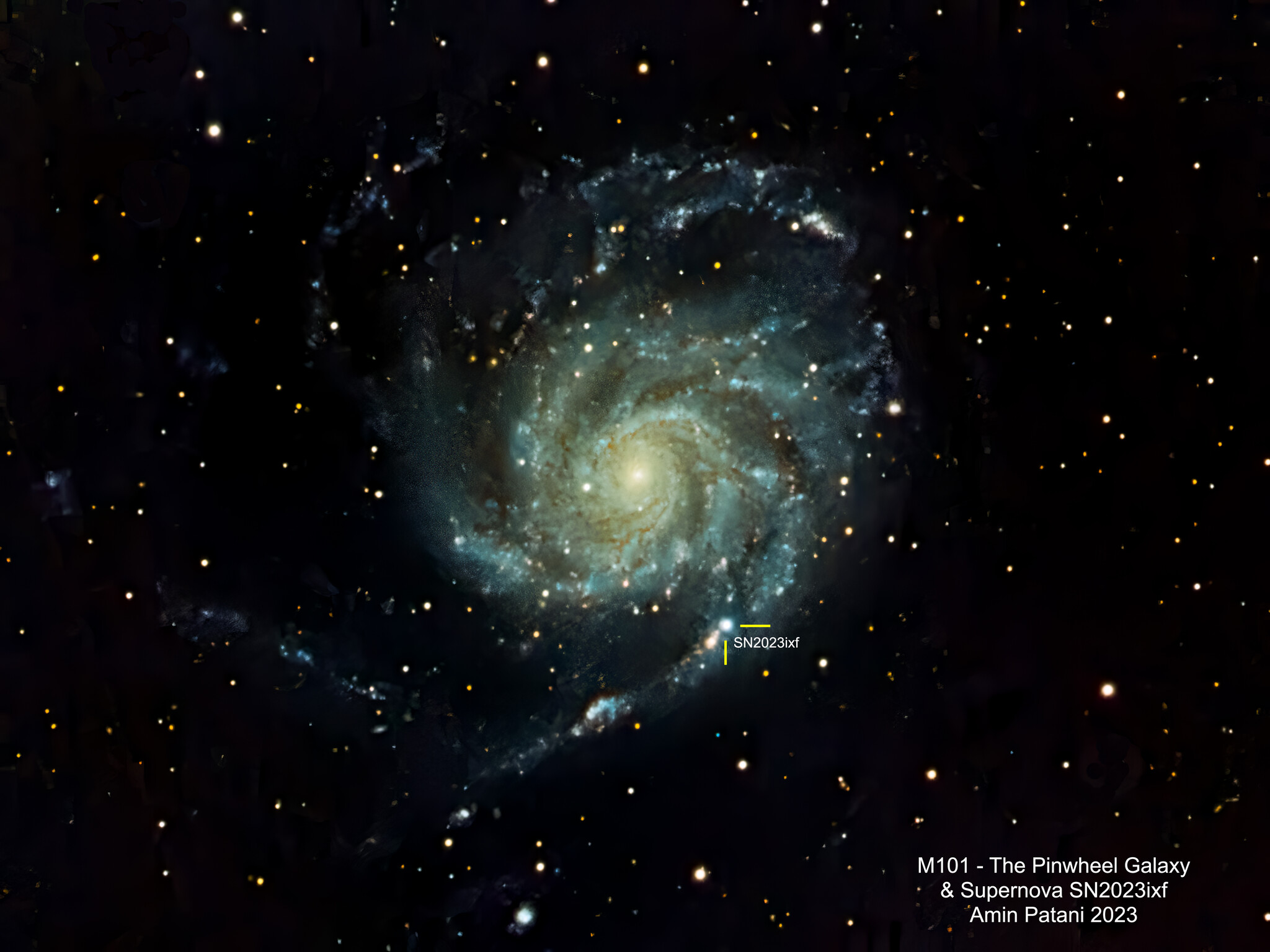
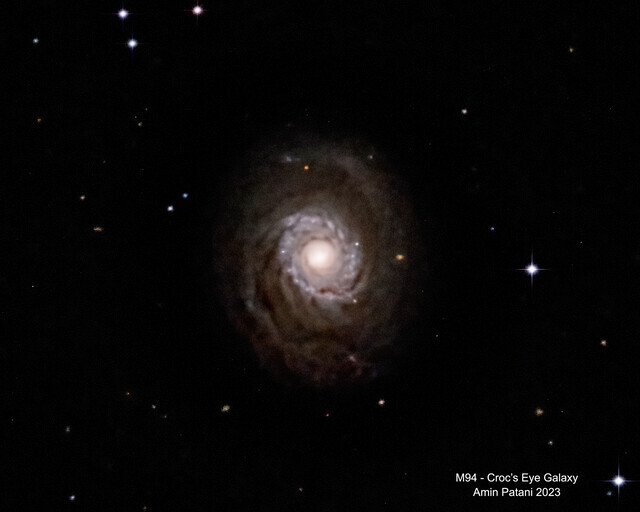
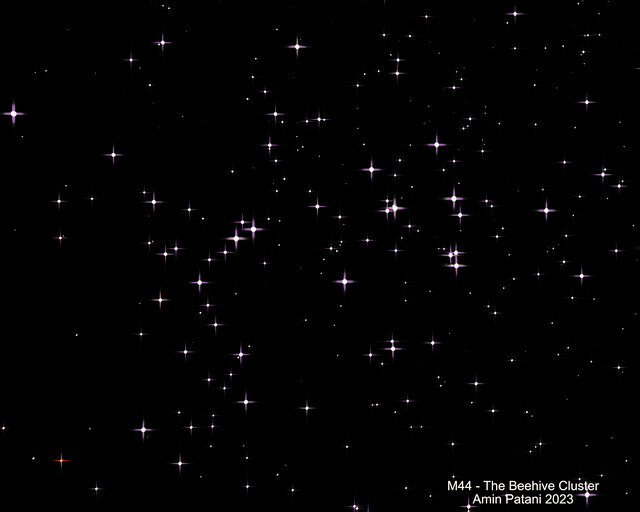
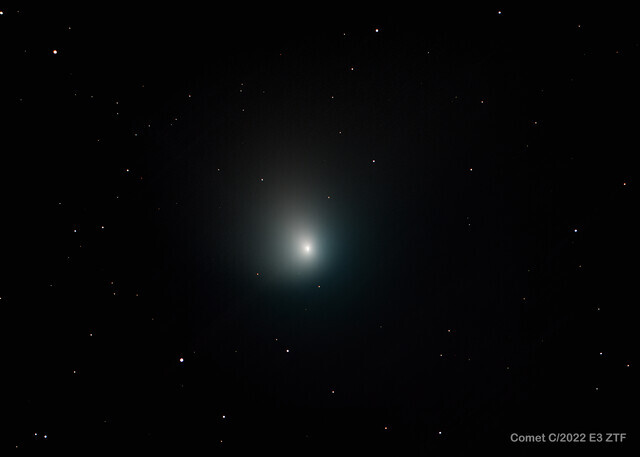
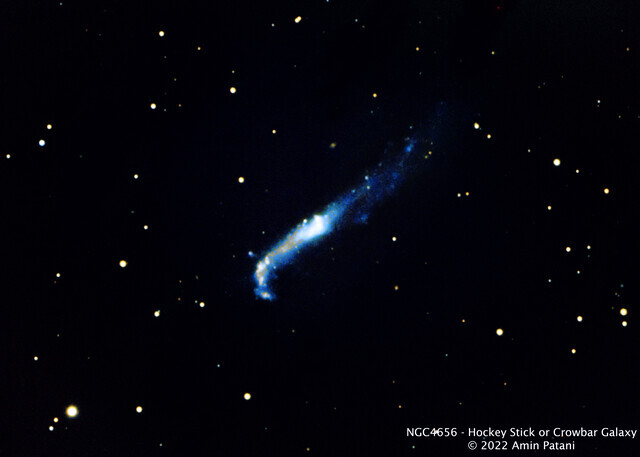
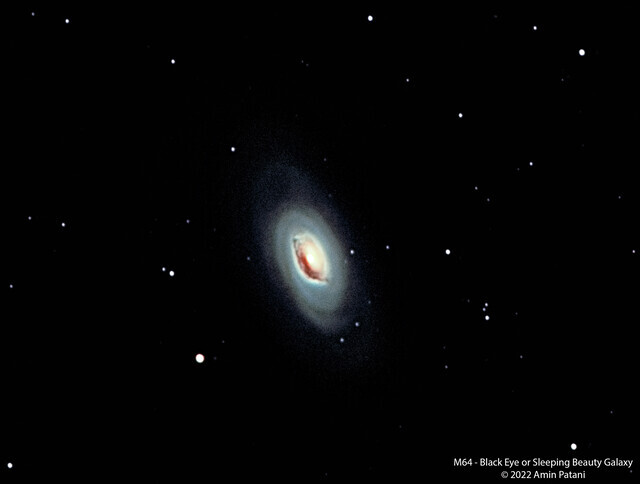
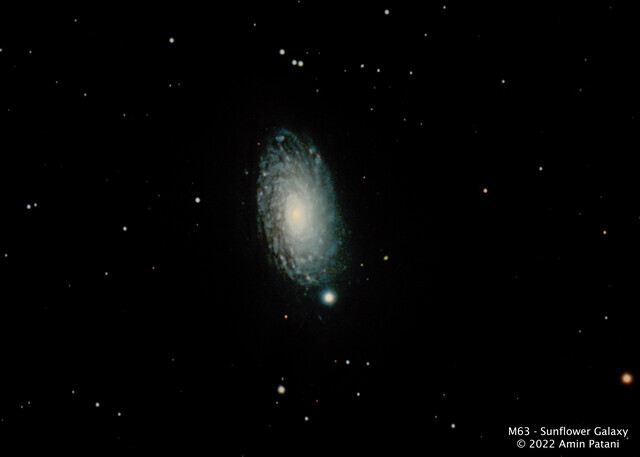
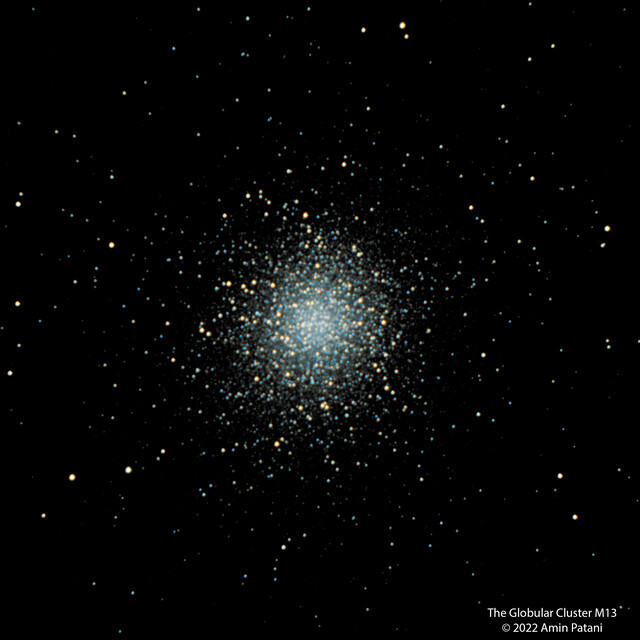
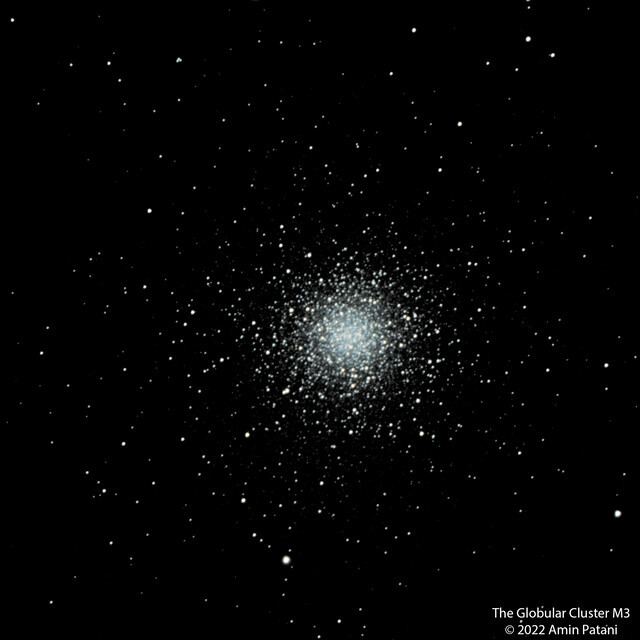
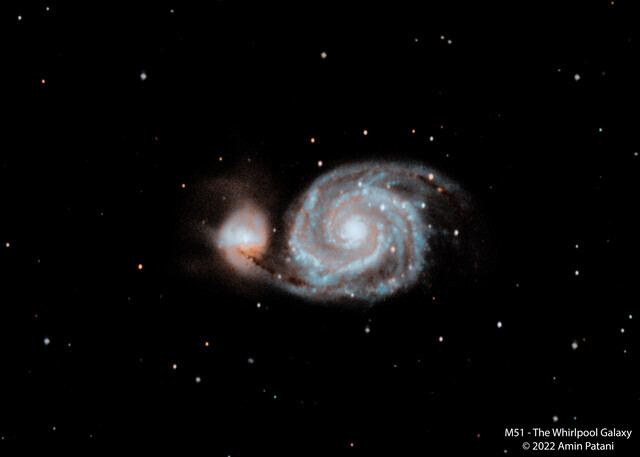
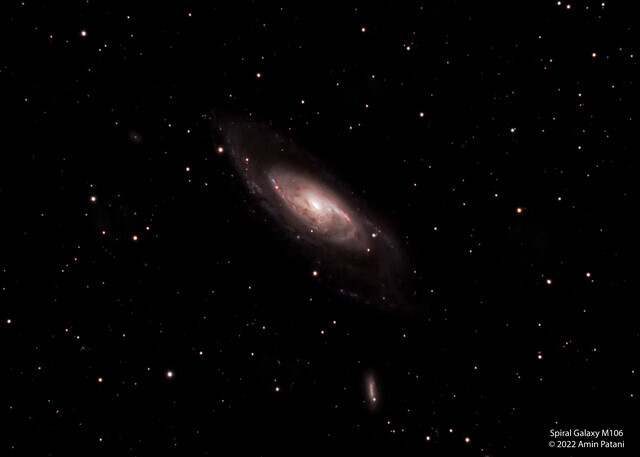
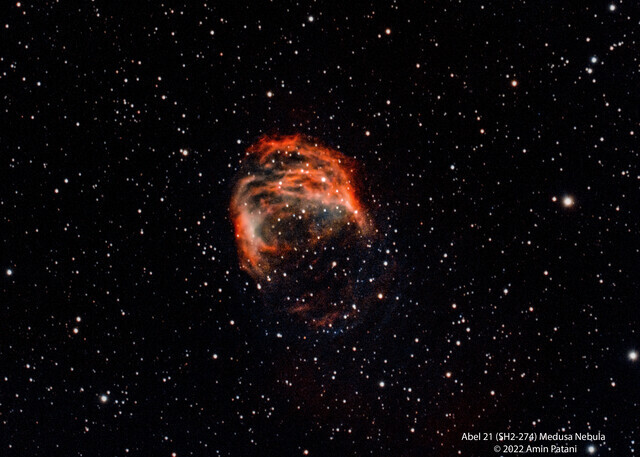
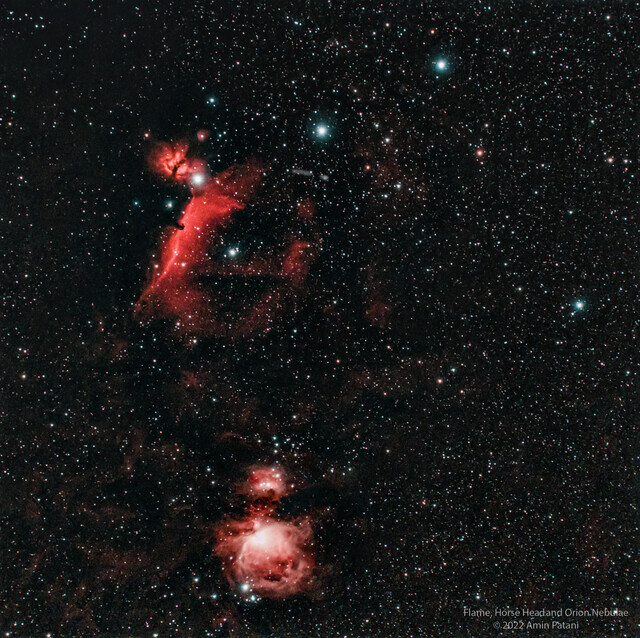
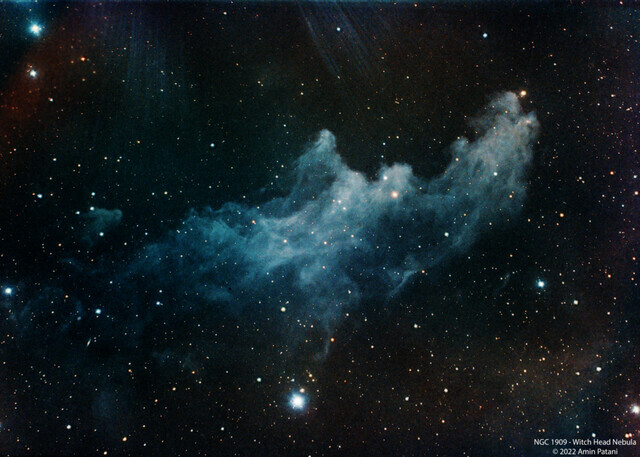
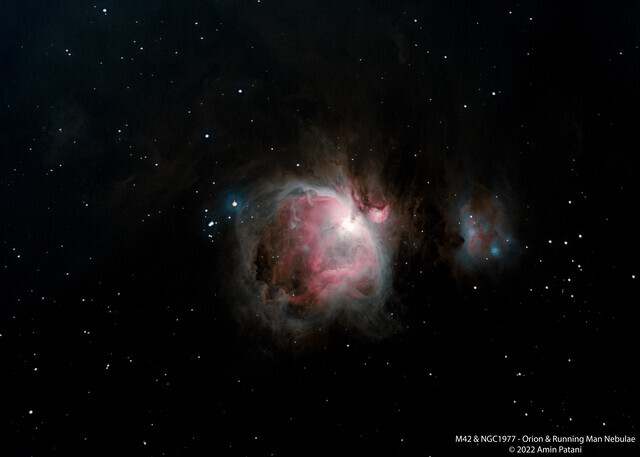
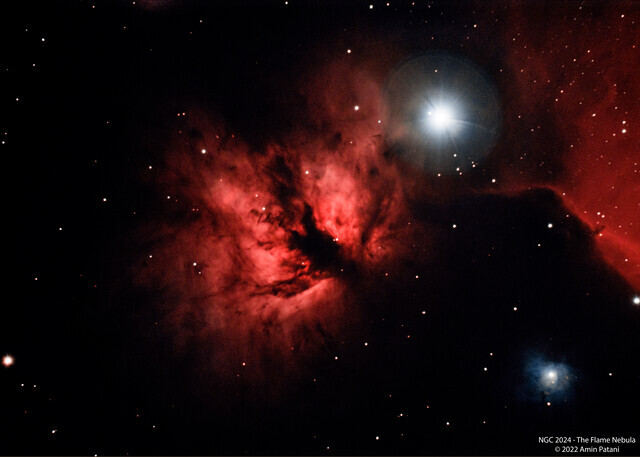
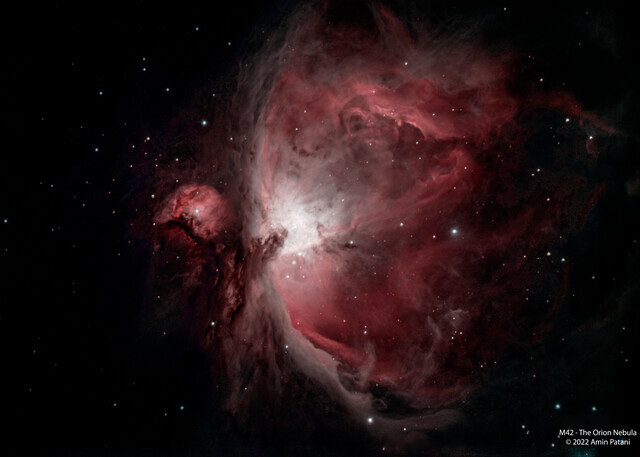
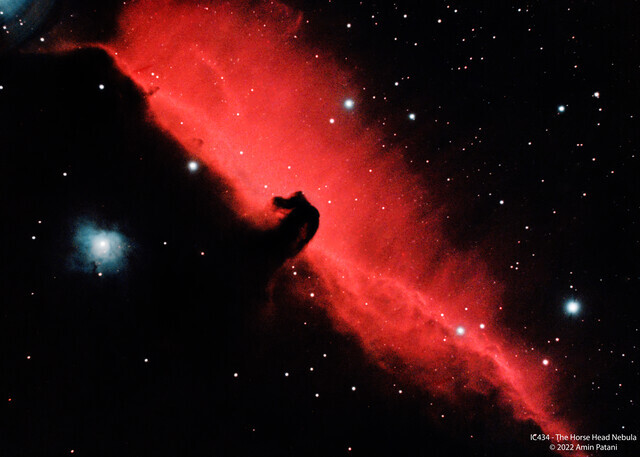
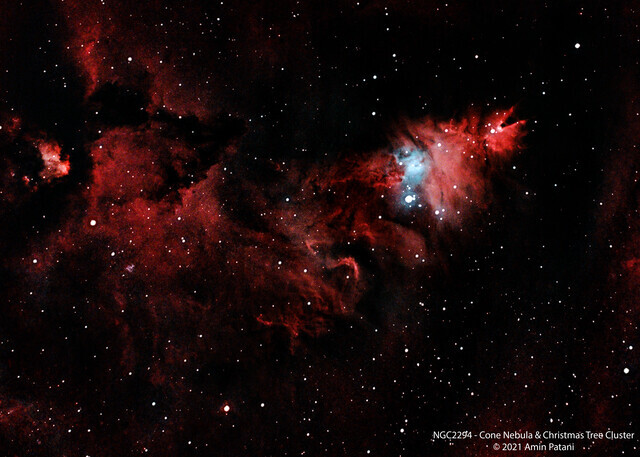
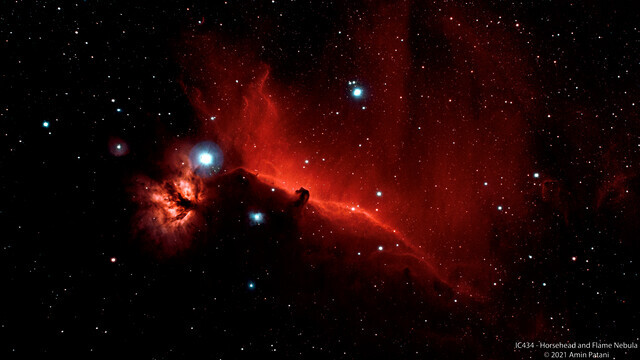
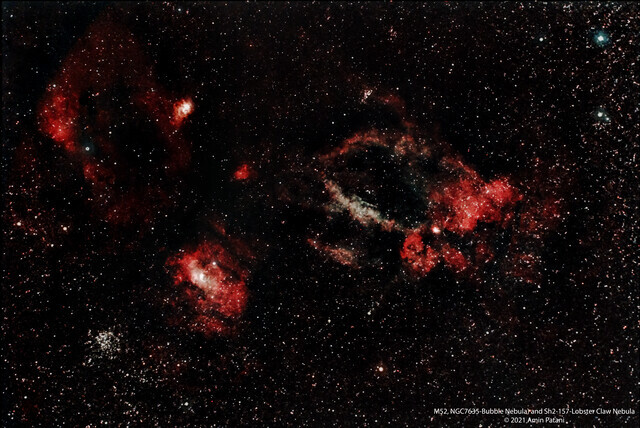
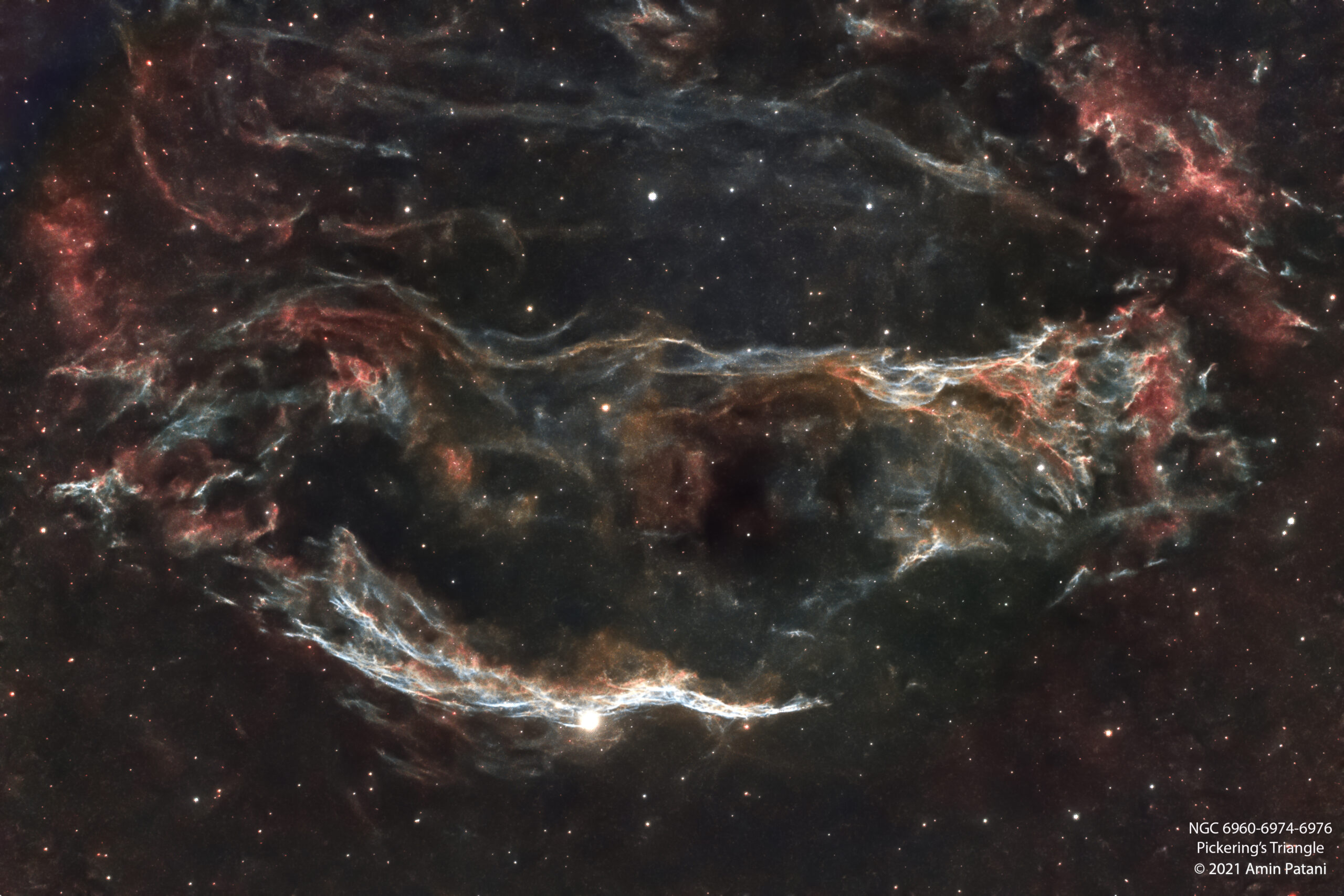
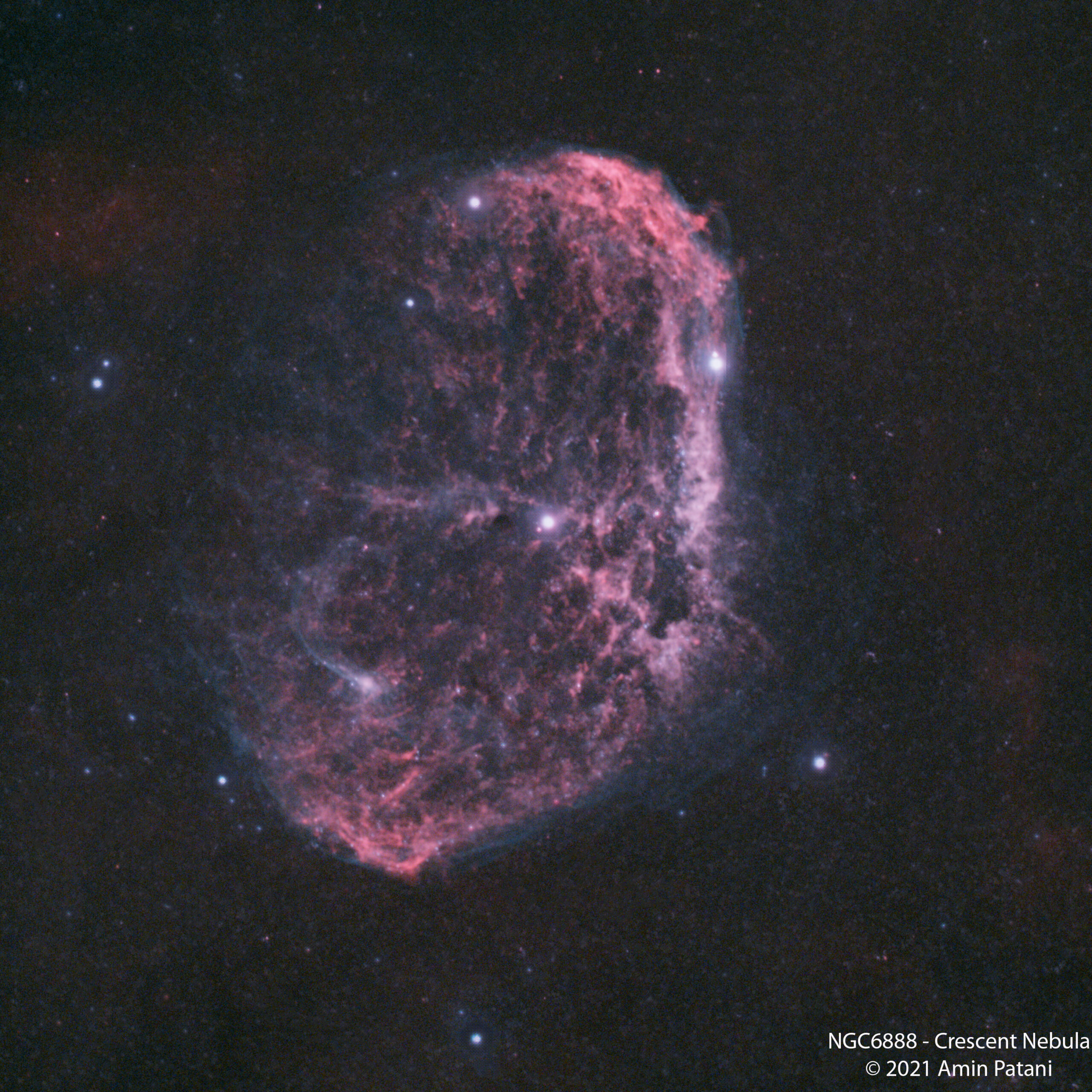
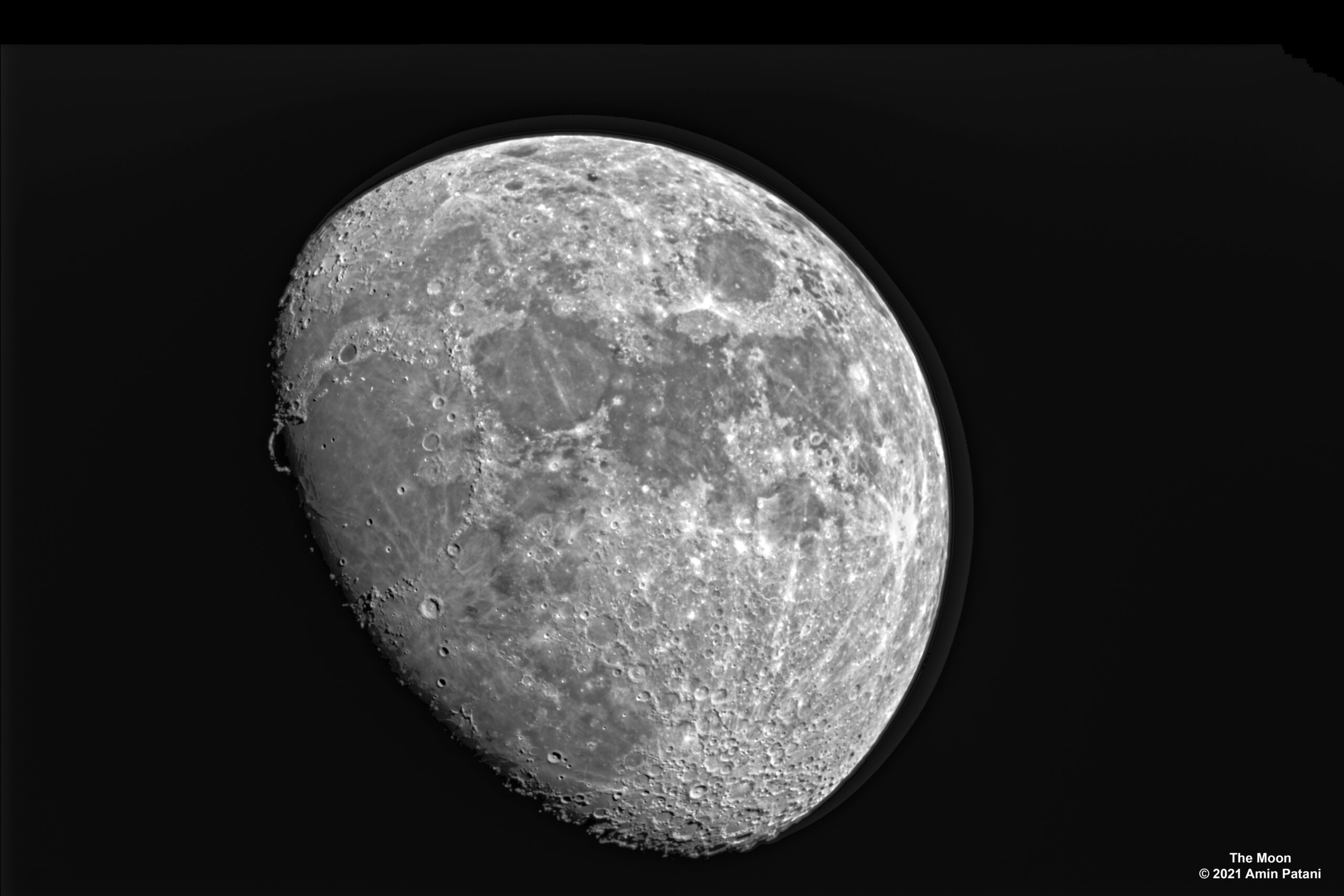
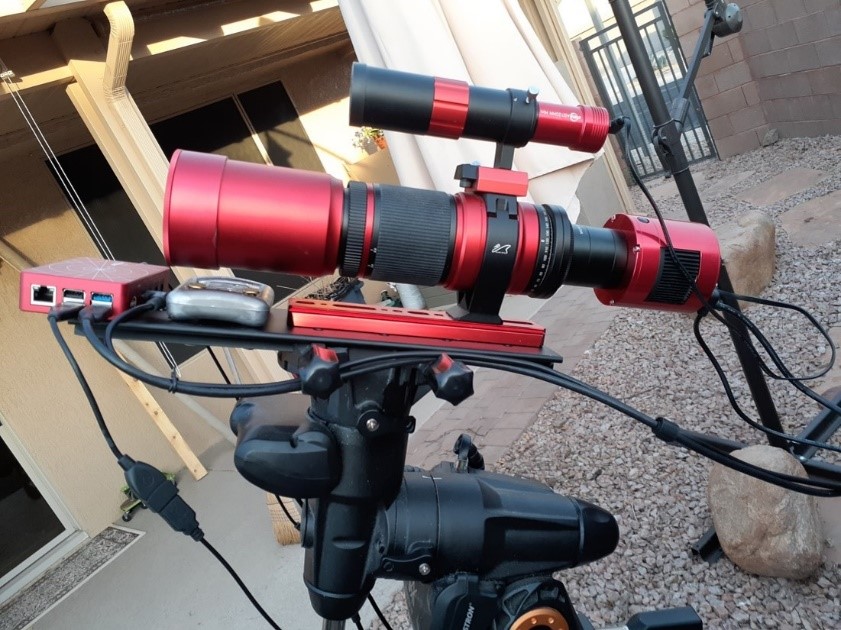
Amin’s foray into astrophotography began with capturing the comet Neowise with a point and shoot camera! His setup has expanded to two scopes (73mm refractor and 8” Celestron Edge with Hyperstar), a couple of Astro cameras (ASI2600MM and ASI2600MC) with a number of narrowband and broadband filters. He uses the iOptro CEM70G mount and has an off-axis guider with ASI174 Mini guide camera. He has also imaged with different Canon lenses ranging from 40mm to 400mm. He has used ASIAir computer for astroimaging but has switched over to using a mini PC. He uses both SiRiL and DSS for pre-processing of images and uses primarily Photoshop for post processing. His current challenge is to get proficient with long focal length imaging and learn planetary and solar photography.


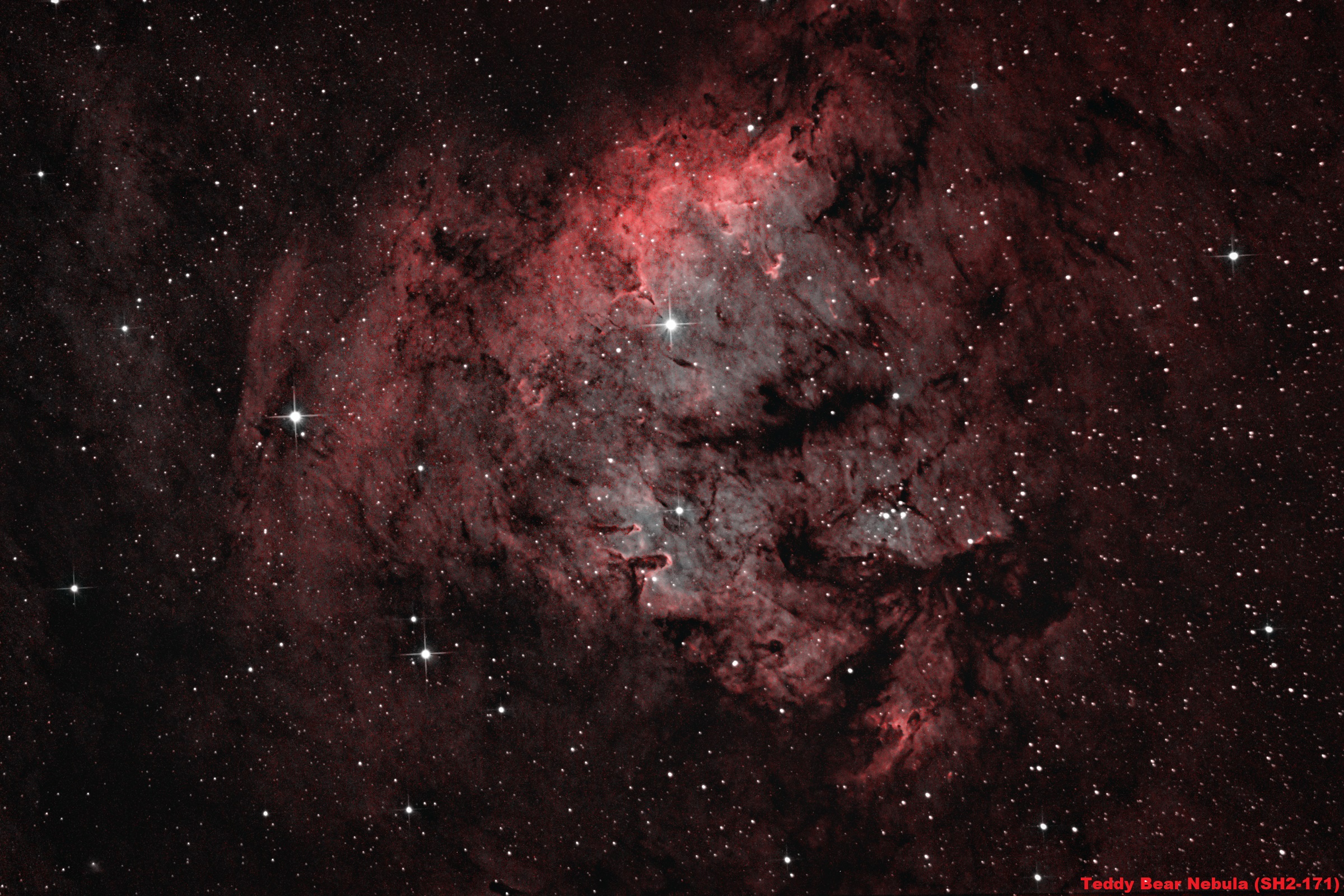
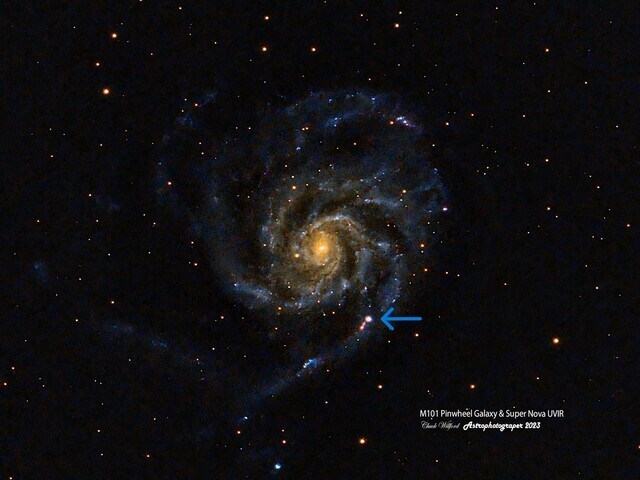
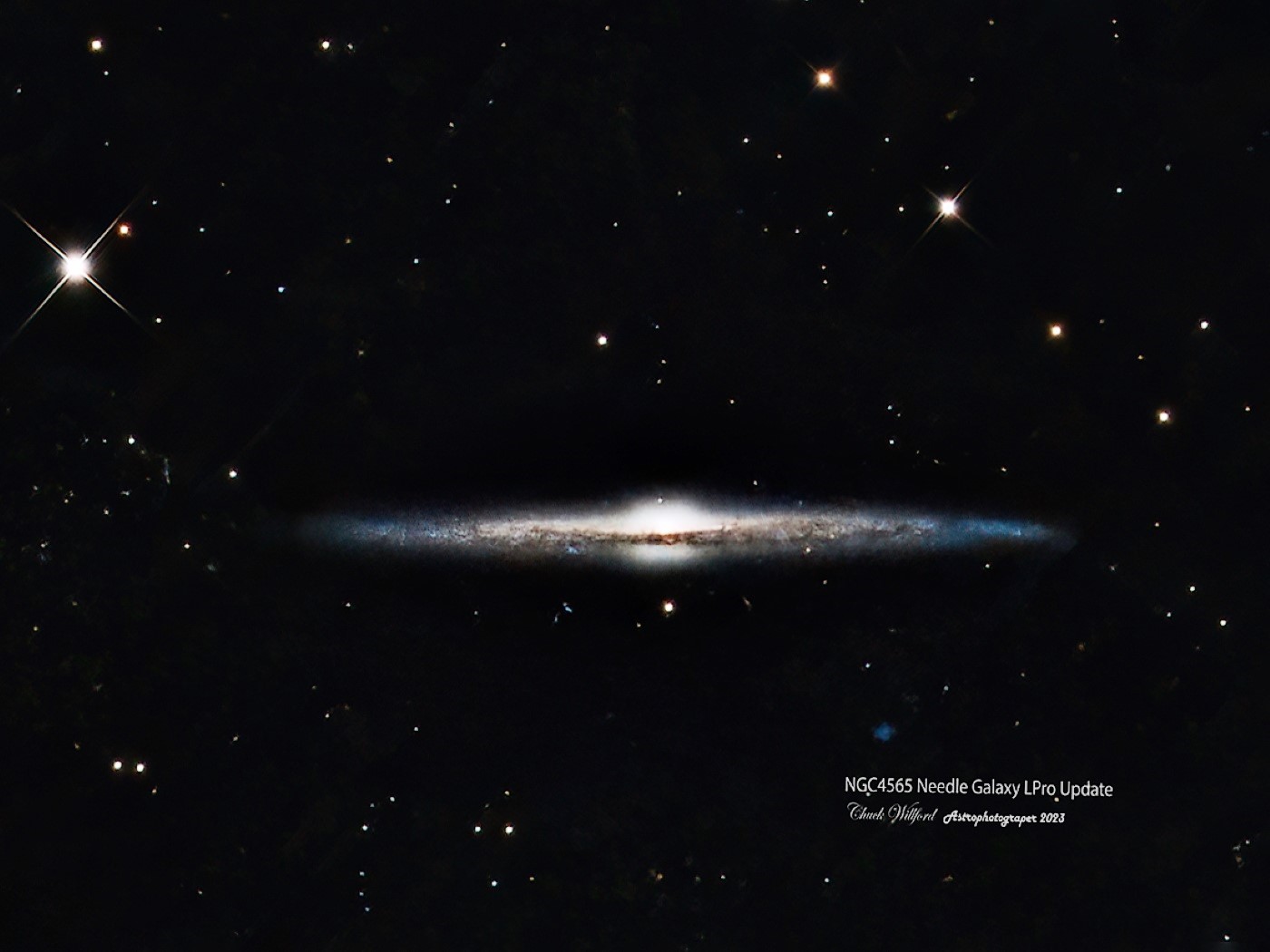
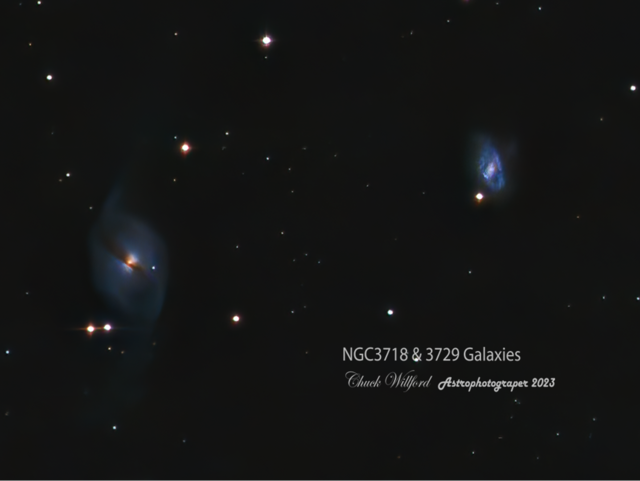
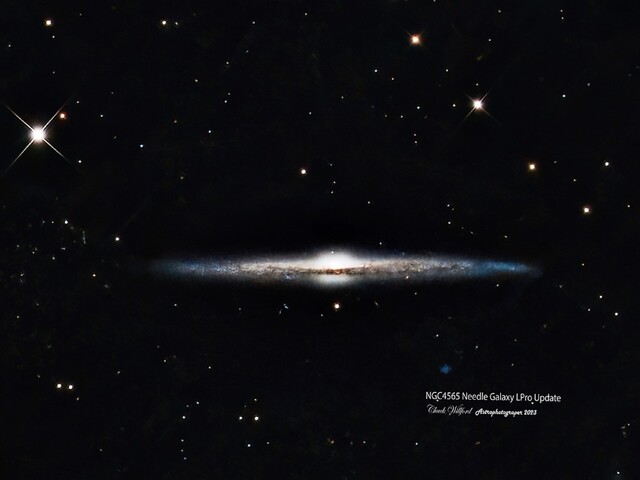
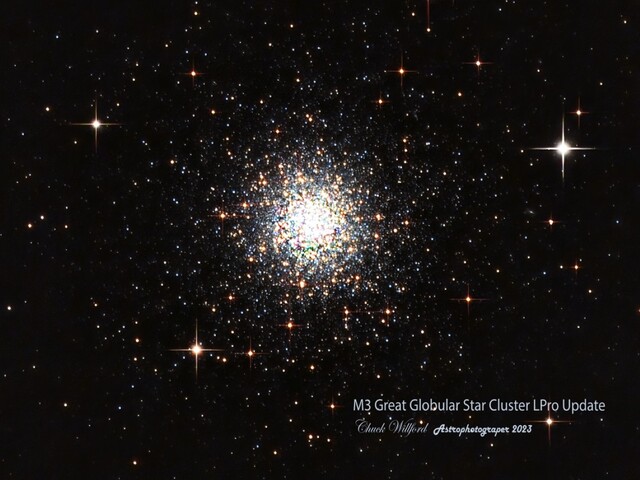
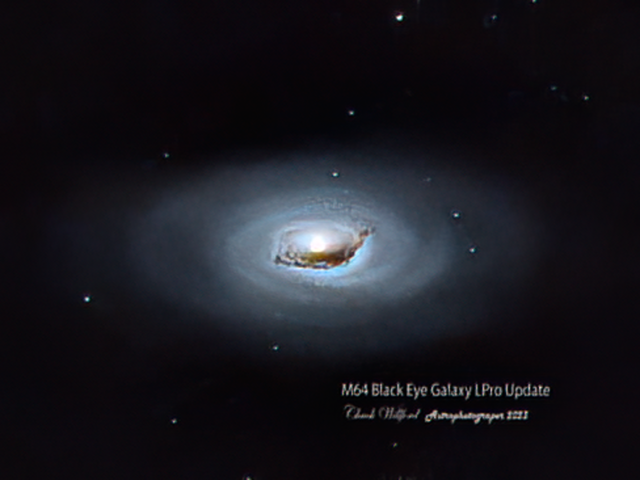
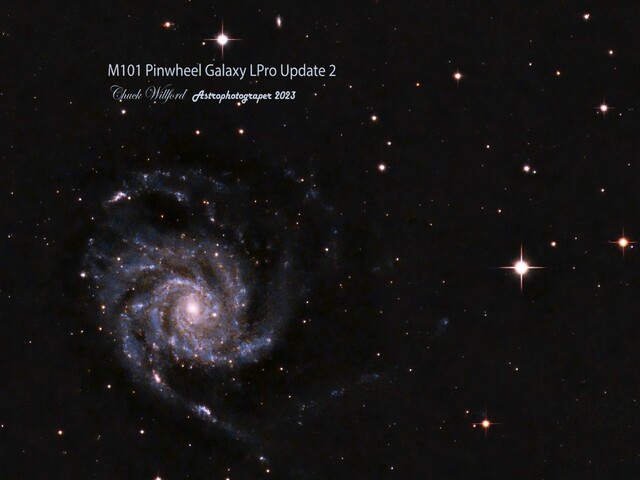
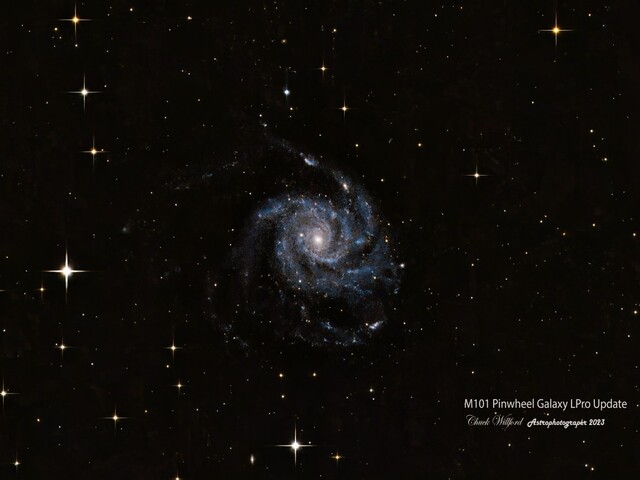
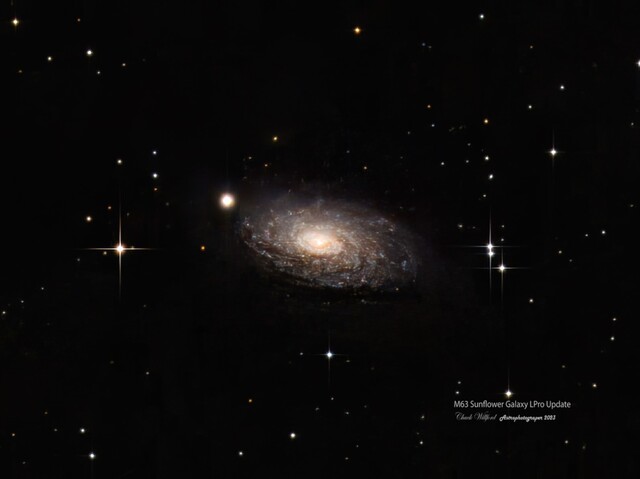
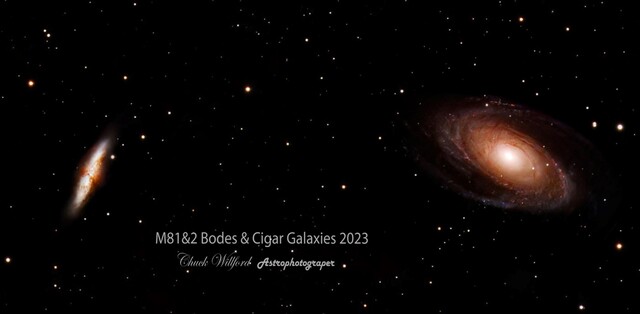
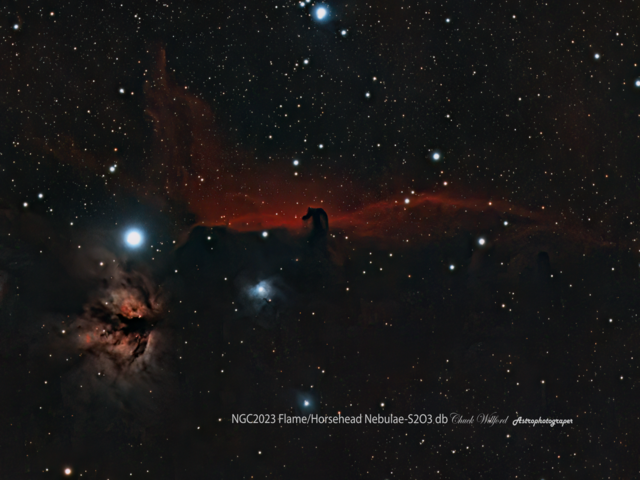
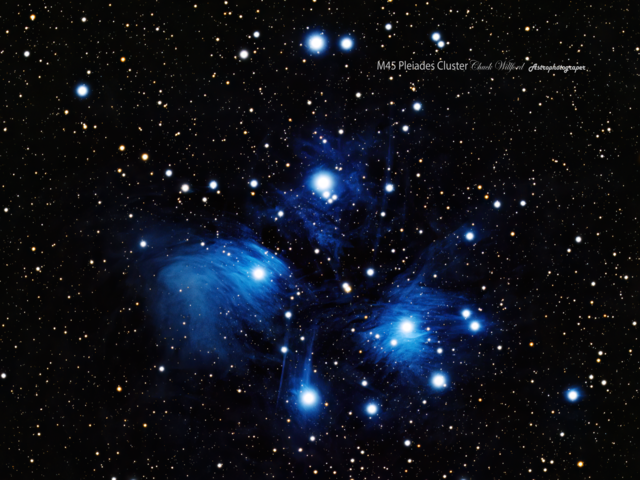
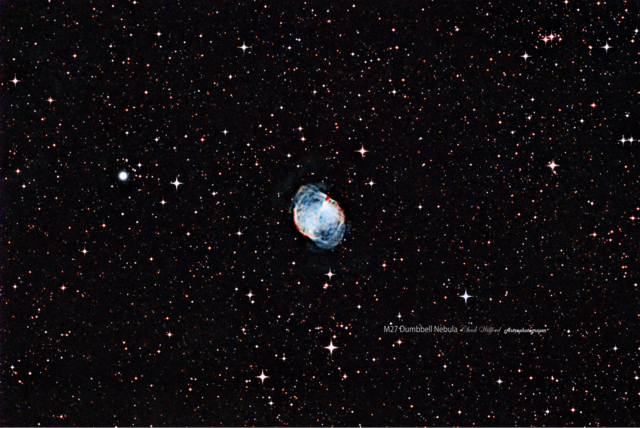
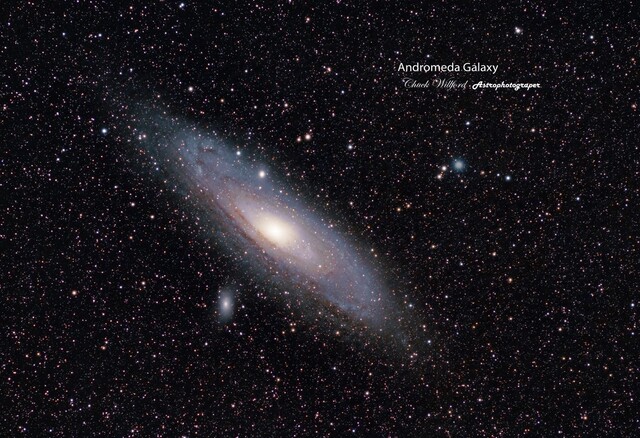
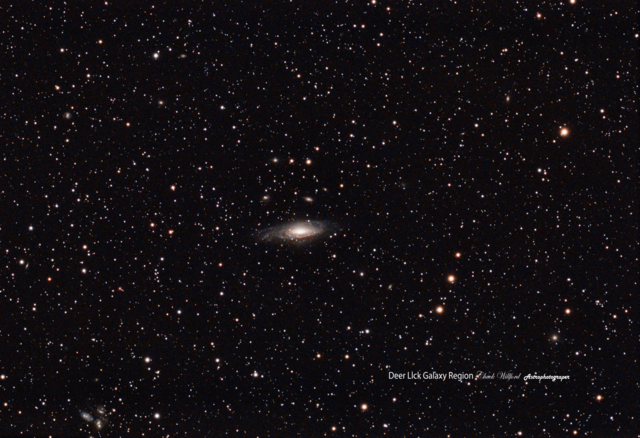
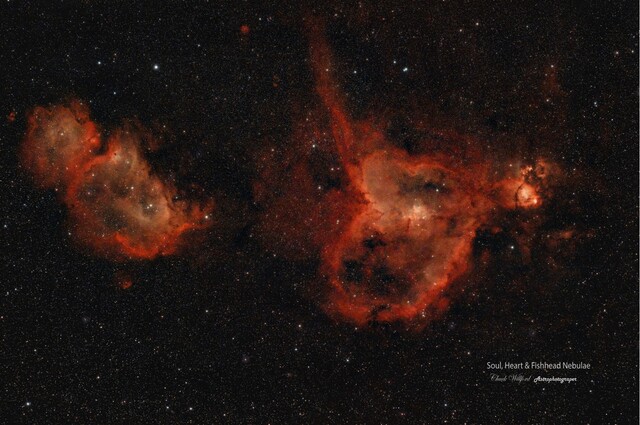
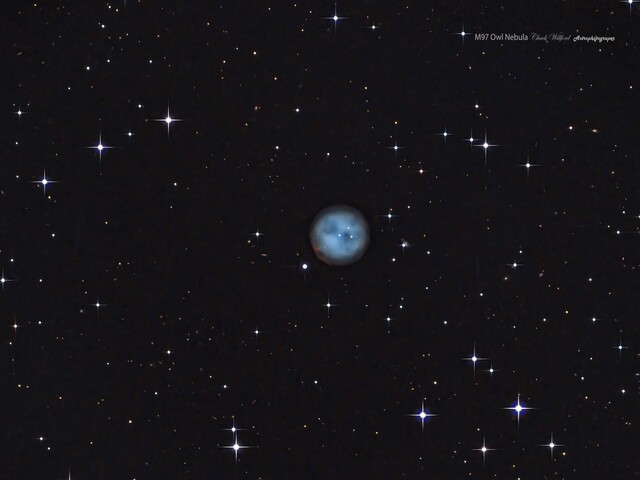
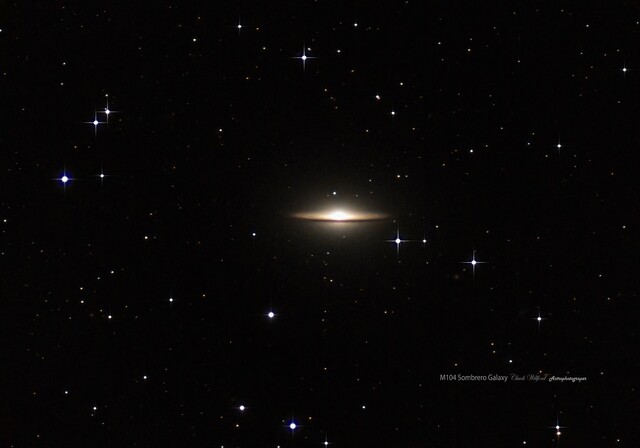
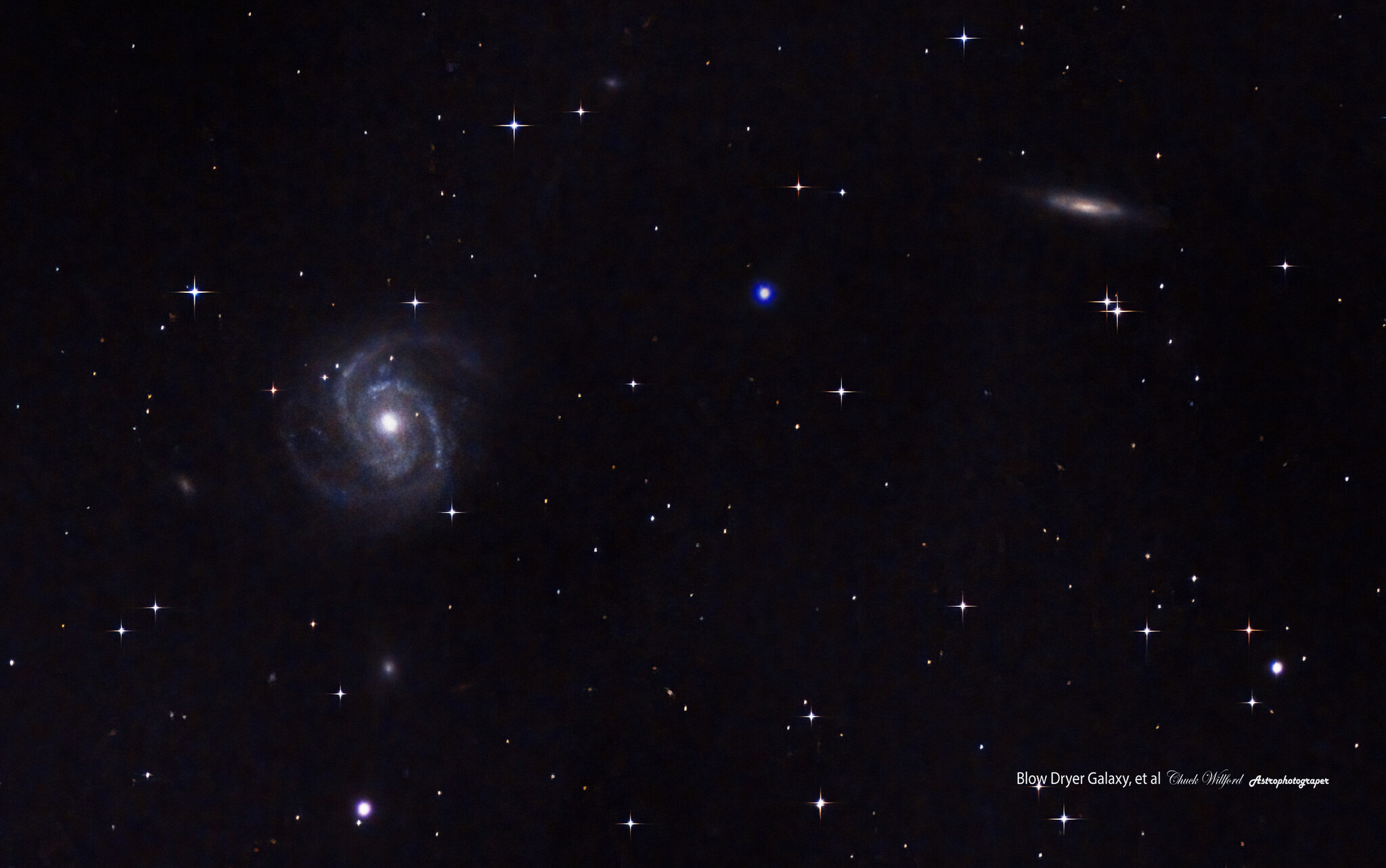
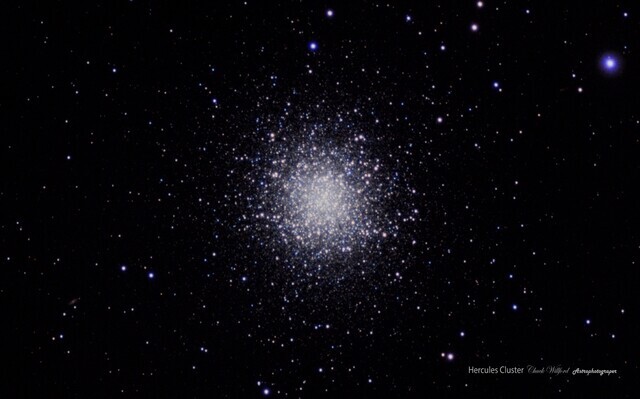
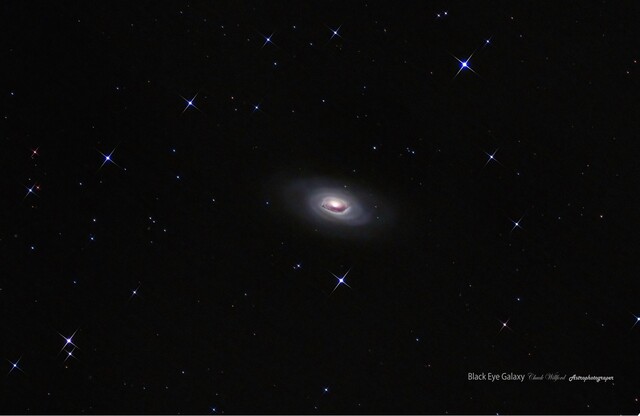
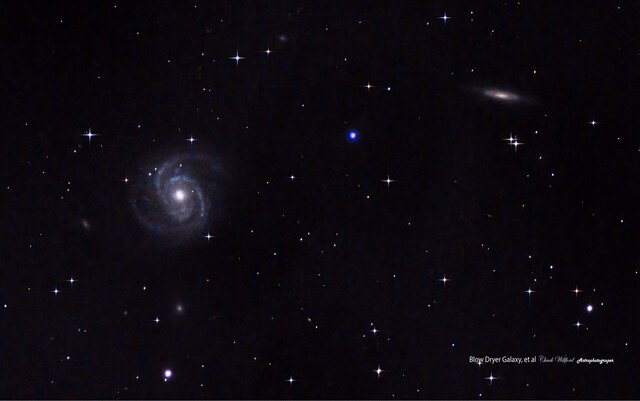
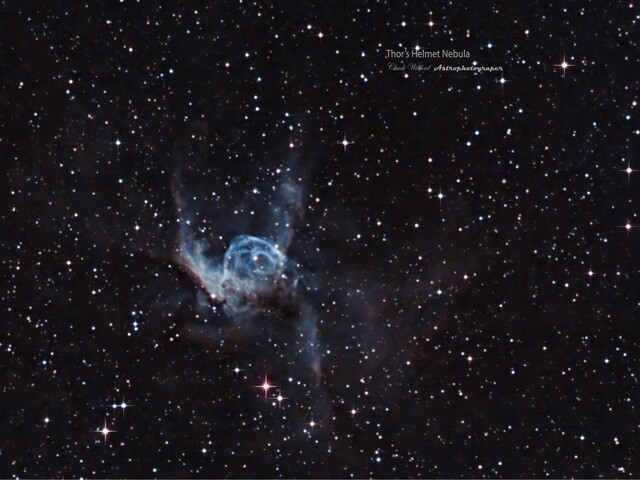
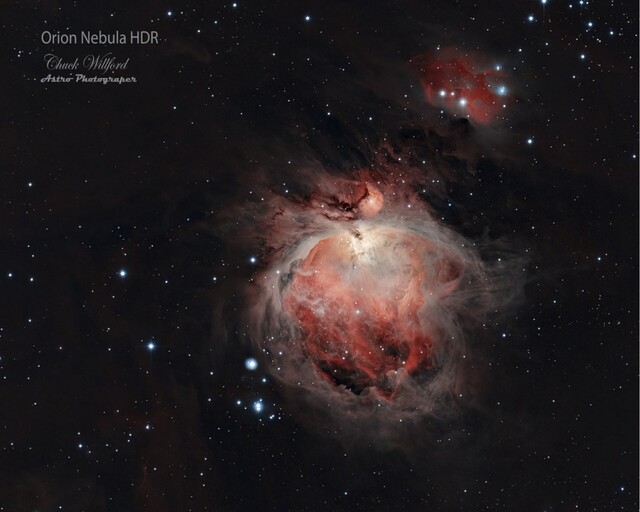
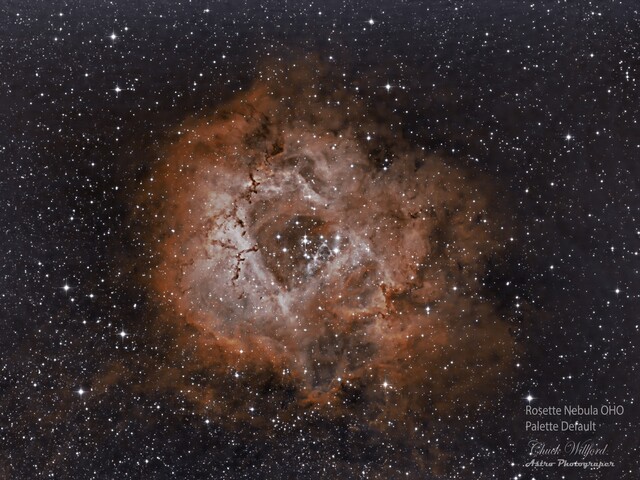
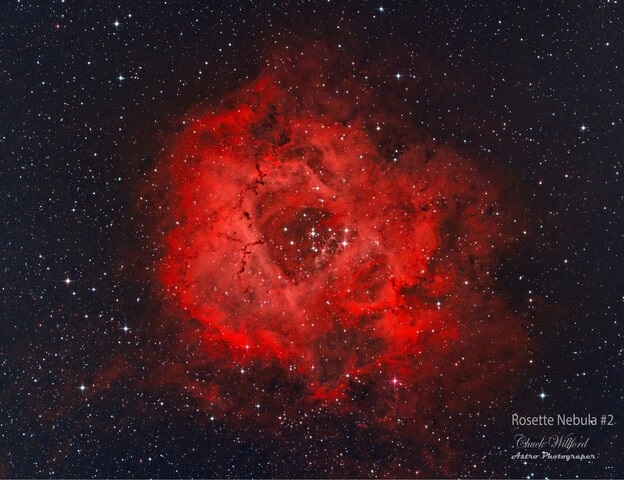
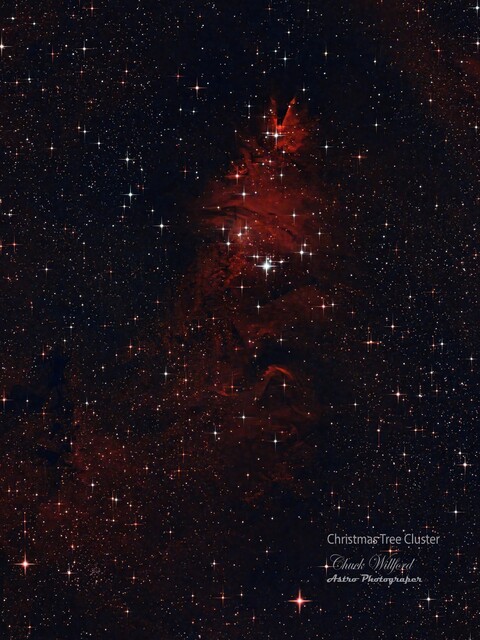
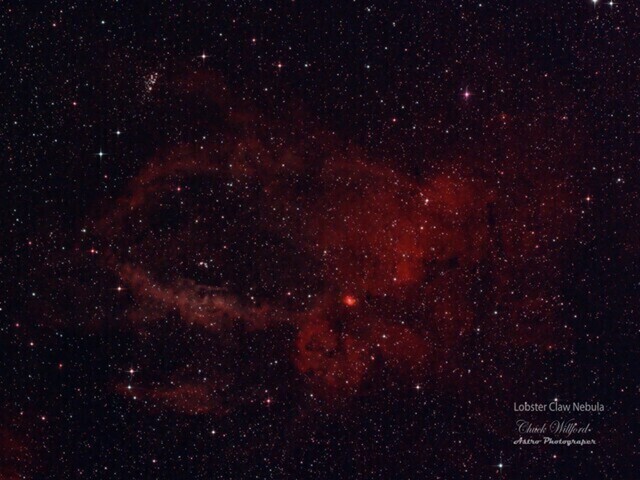
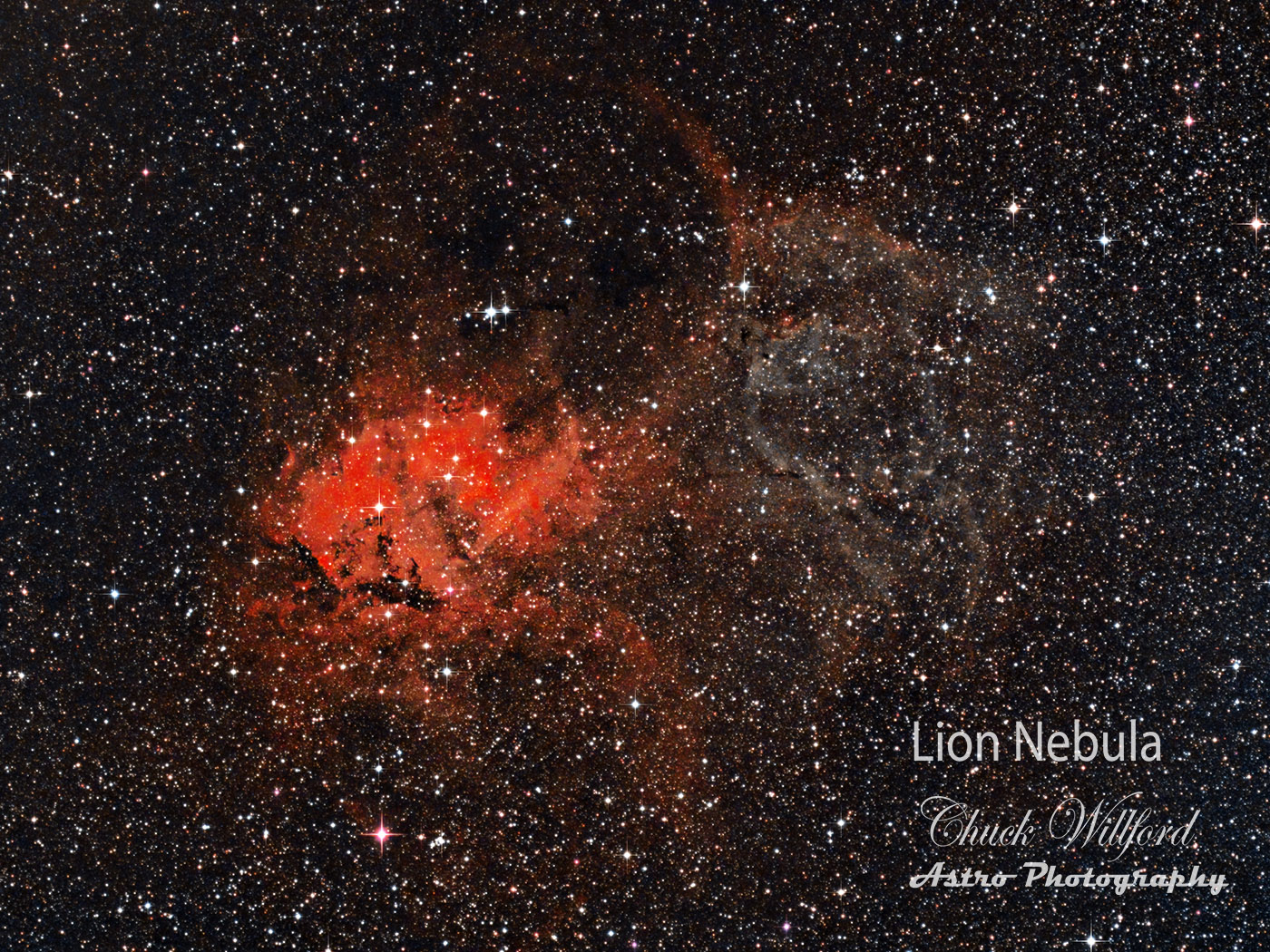
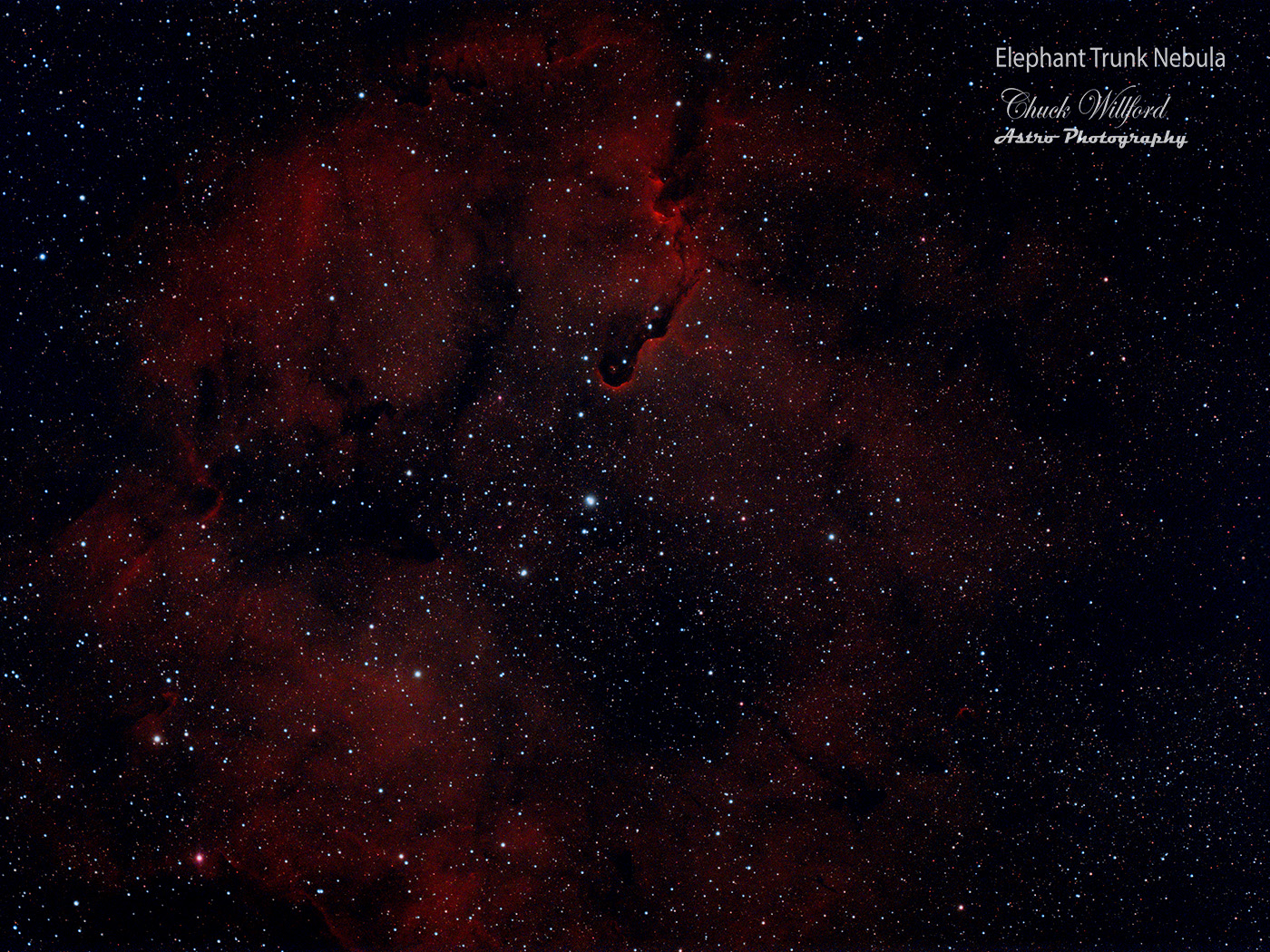
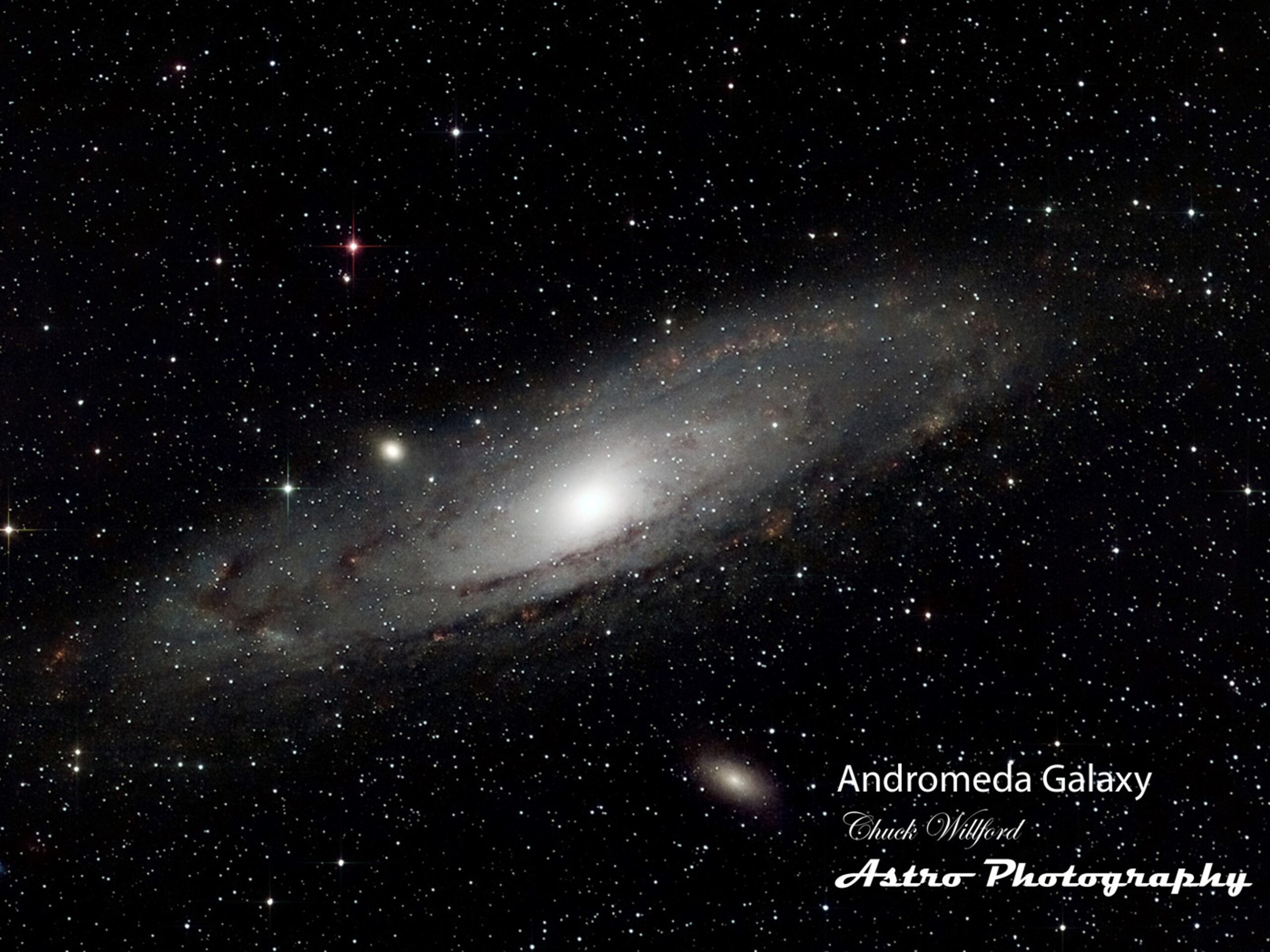
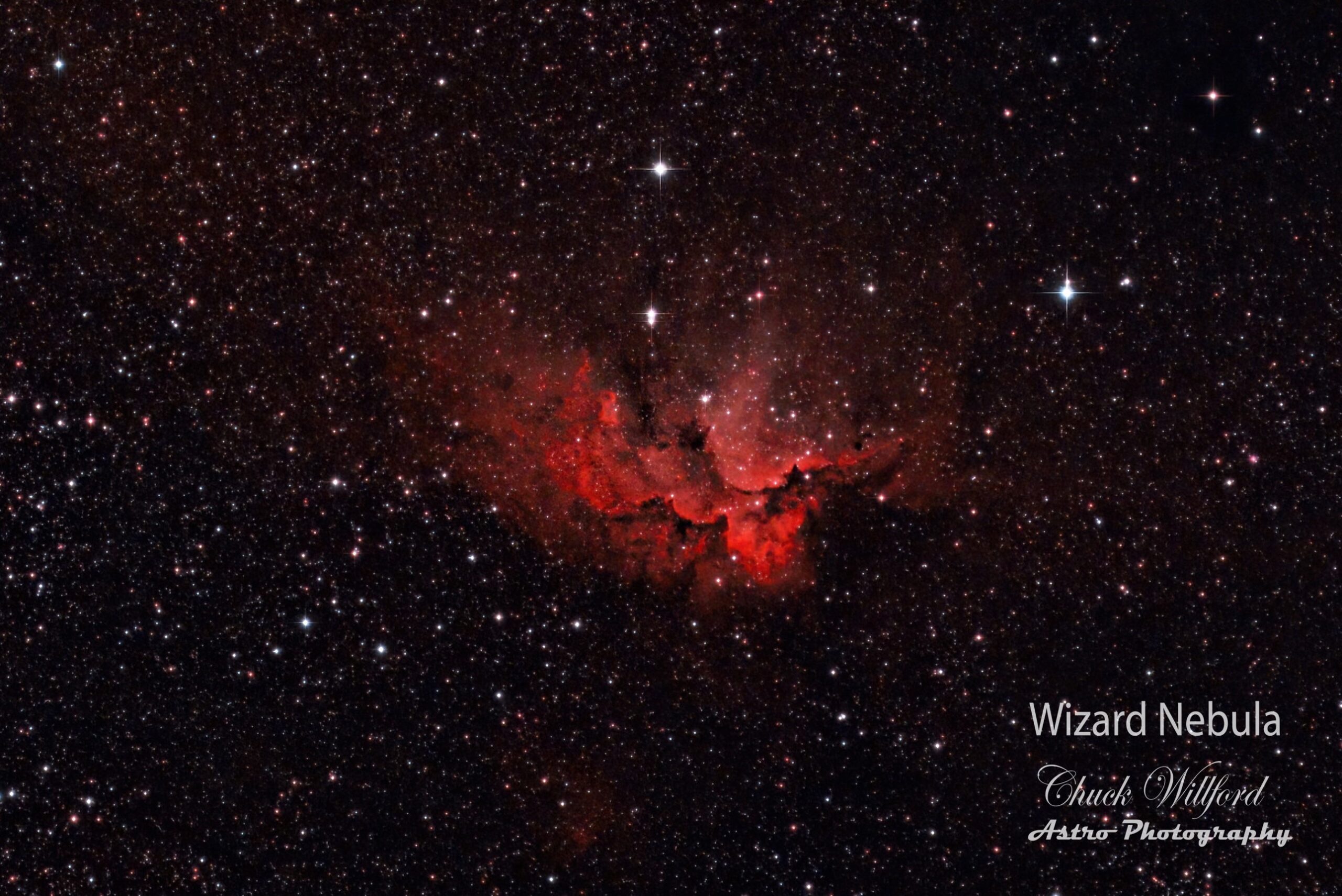
Chuck Willford

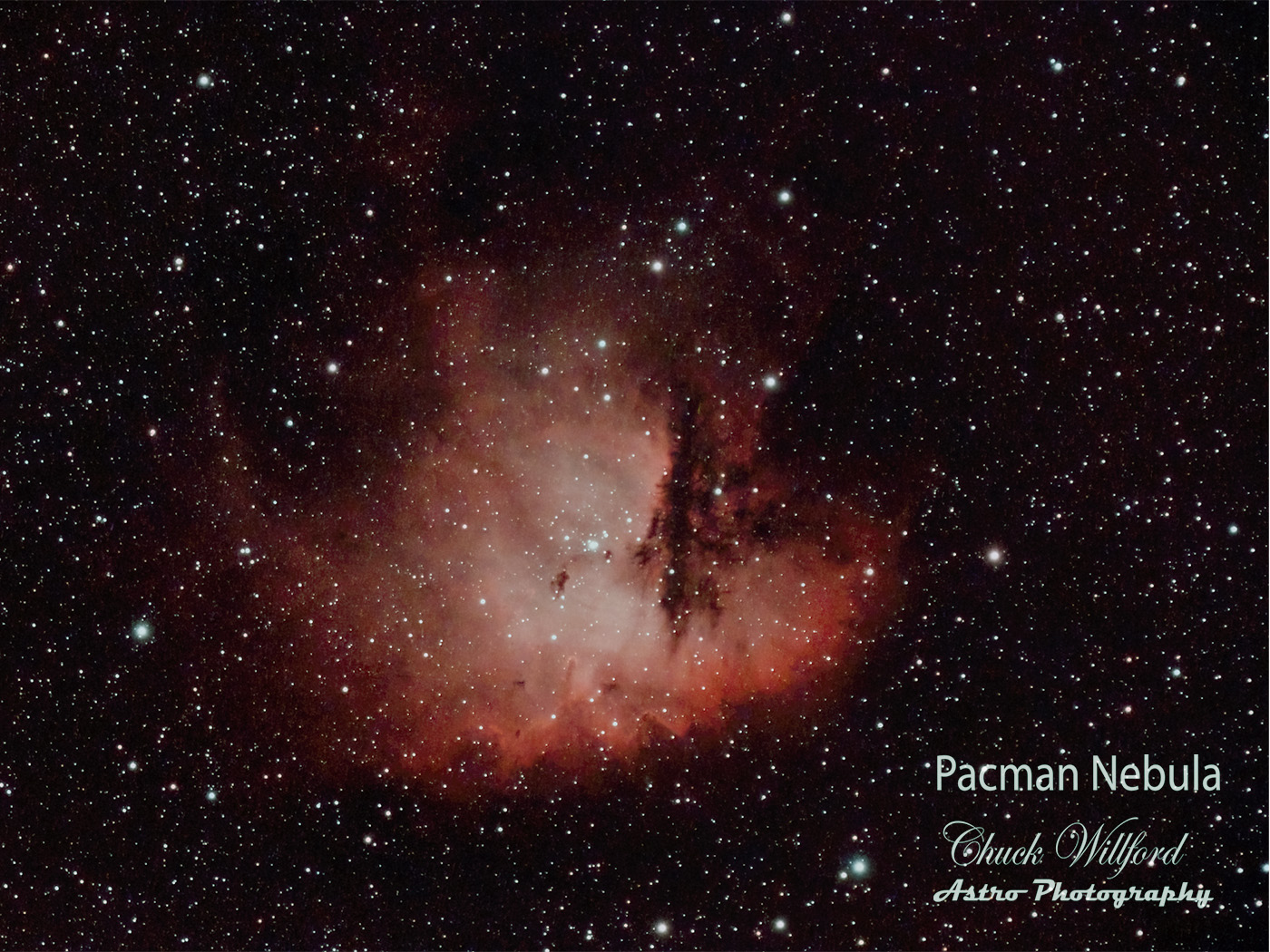
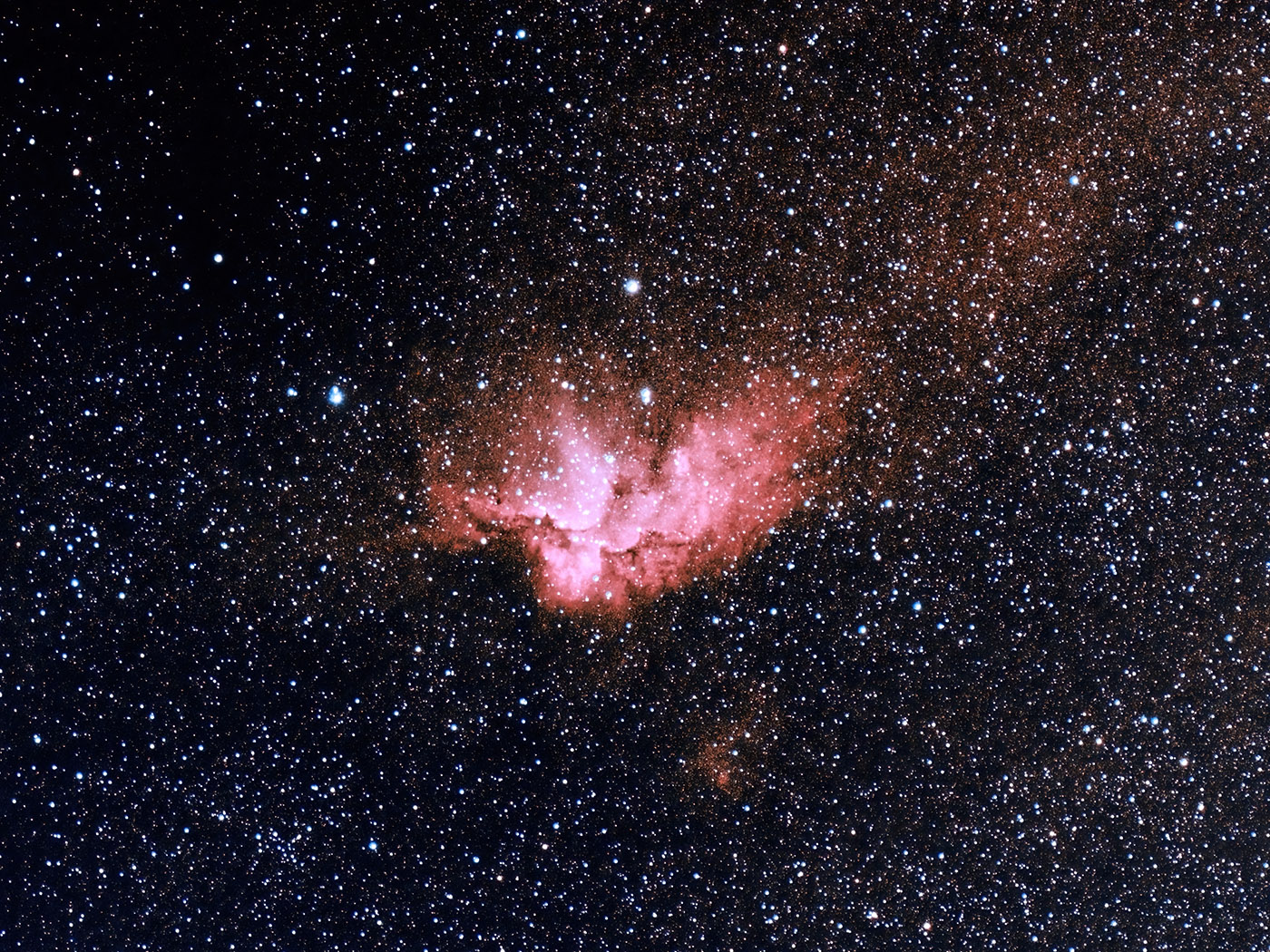
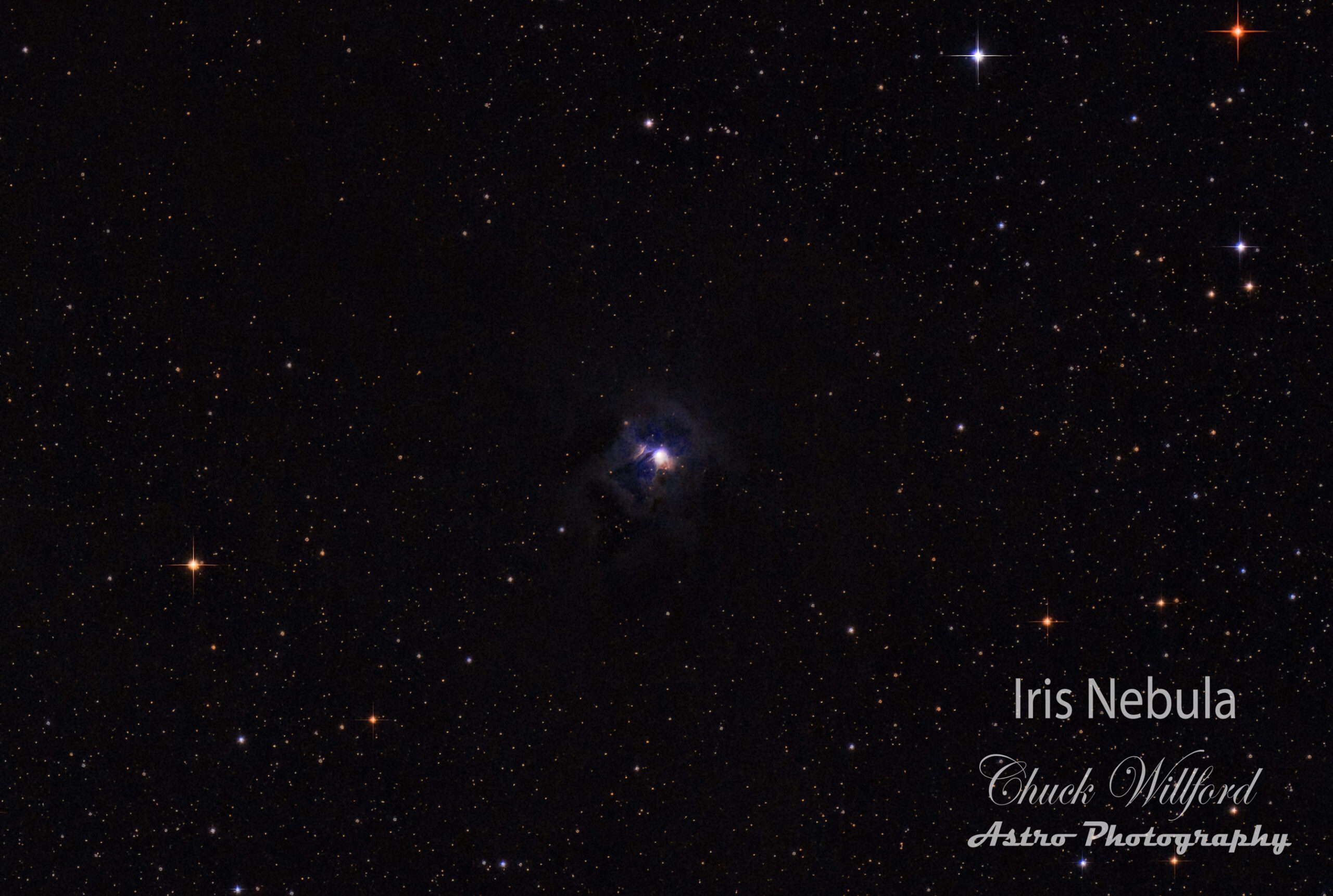
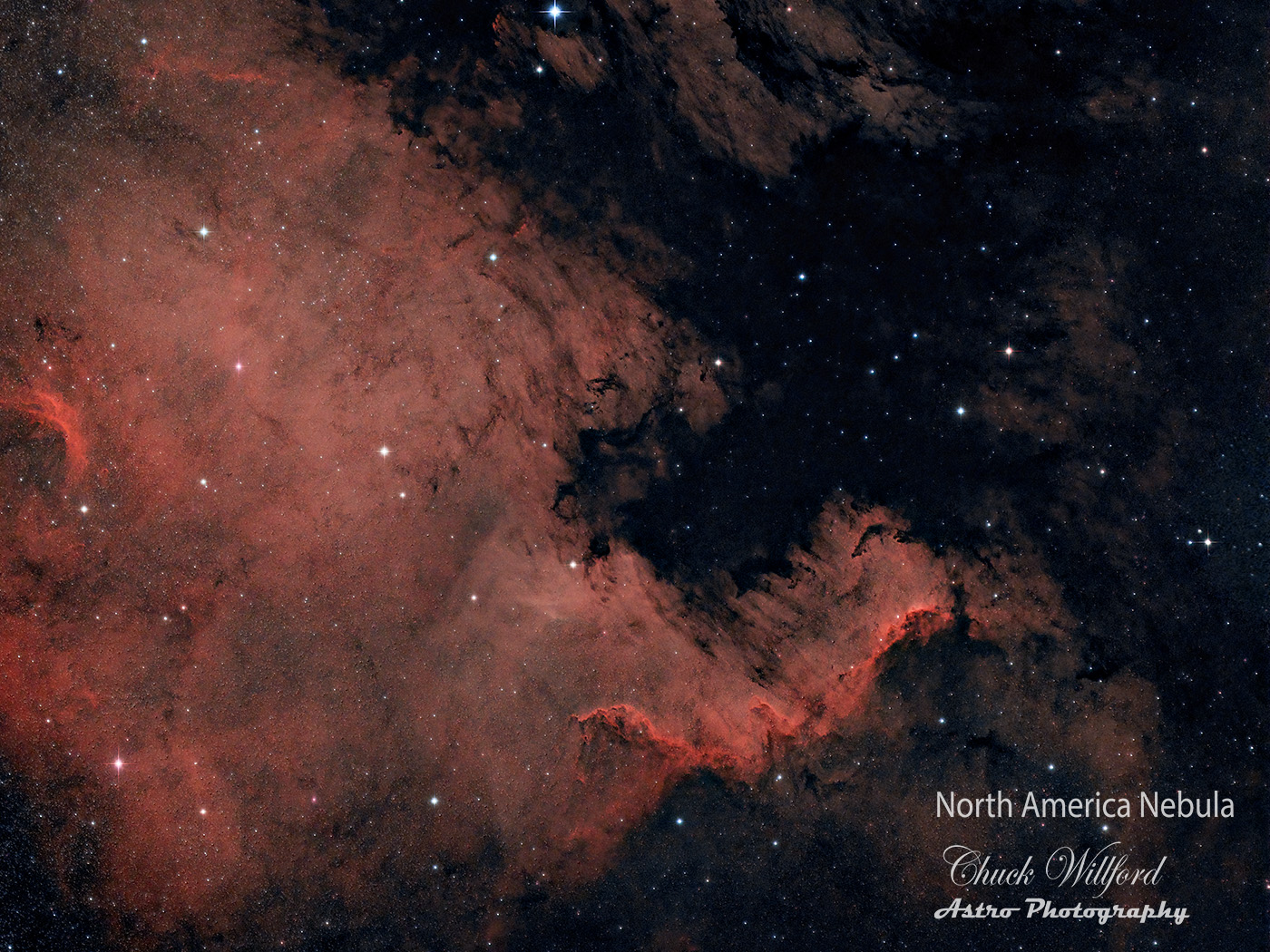
Chuck started Astro Photography during Covid. He went thru the 4 stages of change to end up with low end in terms of cost of the next to the last stage of high end professional gear. Self taught with the great help of Google search. And my new friends at West Valley Astronomy.

Mount: ZWO AM5 mount
Imaging Scope: Askar PHQ80 Refractor, 600mm FL, 80mm aperture, f/7.5
Guiding Scope: WO 200 mm fl, 50mm aperture, f/4
Imaging Camera: ASI 2600 MC Pro OSC
Guiding Camera: ZWO ASI120 mm Mini
Controller & S/W: ZWO ASIAIR Plus
Video Device: Samsung Galaxy Tab S4
Editing PC: Homemade PC – i9 processor, 96 MB ram, 6 TB storage
Editing S/W: Siril, Photoshop, Topaz De Noise AI, various plugins

Chuck Wiford Astrophography

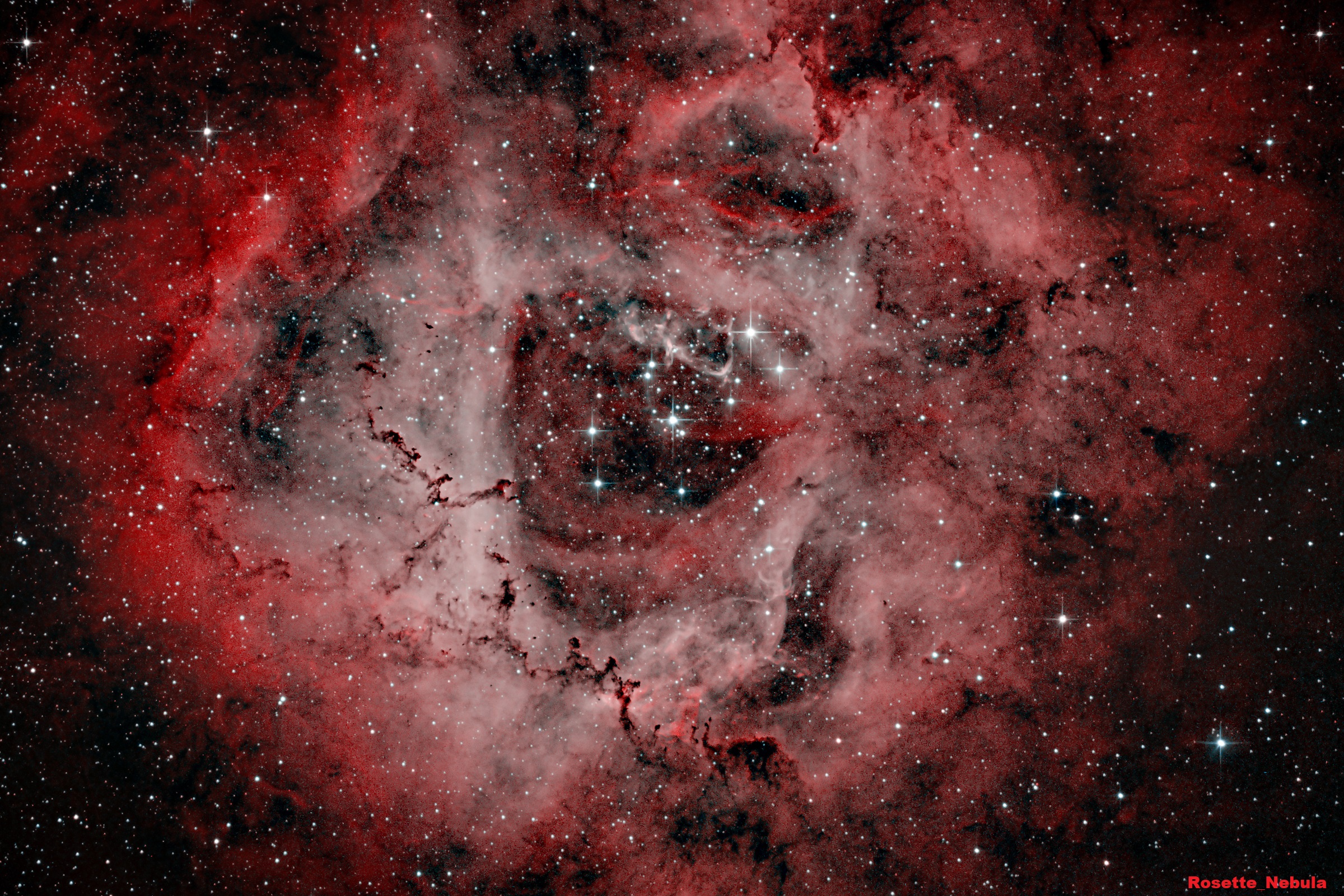
Thomas Mastrocinque 

Thomas learned an appreciation for naked eye stargazing during his time in the military where he spent many a night under dark skies. He started visual astronomy around 2010 with an inexpensive 70mm Celestron refractor.  Aperture fever soon took hold and he was forced to purchase a 10” Orion DOB to keep the illness at bay.  Eventually this wasn’t enough so he bought a 16” Explorer Scientific DOB, which truly showed him the wonders of the universe.  He continued with visual astronomy until April of 2021 when he decided to experiment with astrophotography.

After selling off all of his visual gear to fund this new venture, Thomas purchased an AVX mount,  a 6” TPO Newt, and a Canon T3i.  Realizing he would never get the results he pined for, he began slowly upgrading. Today Thomas owns an EQ6-R Pro mount and a variety of scopes.  His scopes include the RedCat51, the Meade 70mm Quad, an Explorer Scientific 8” Imaging Newt, and a 130mm TS Optics Photoline.  His cameras include the ZWO ASI533MC-Pro and the ASI2600MC-Pro.

Thomas will sometimes use NINA and PHD2, but for most casual AP he prefers the ease of the ZWO ASIair system, which has all the acquisition software built-in.  For stacking he uses AstroPixelProcessor and then uses StarTools for post processing.  Final tweaks are done in Affinity Photo when needed. 

Thomas is always eager to learn more about our hobby and is most appreciative to everyone who has helped him get to where he is today.


Hal Szklinski

Hal has been a nature and landscape photographer for a long time.  Once he moved to Verrado in 2020, he started night photography with a friend using an old Nikon camera for general night sky, Milky Way, Star Trails, Moon and meteor photos.  He then purchased his first Celestron NexStar 6SE (6”) Schmidt-Cassegrain, Computerized Go-To, Alt-Az, telescope in 2021. He has several telescope objective lenses from 7mm thru 32mm, and also a ZWO ASI178MC camera which is connected to a laptop using SharpCap software used for the Planets.  Photoshop is used for all post processing.  Last year he upgraded his old camera to a new Nikon Z7ii with 14mm thru 300mm lenses, which are still used for general night sky photography, but can also be connected directly to the telescope. His goal is to learn to capture Deep Sky Objects.

EAA Images

Bob Colvert’s EAA Images

Dave Elder’s EAA Images


Bob Colvert

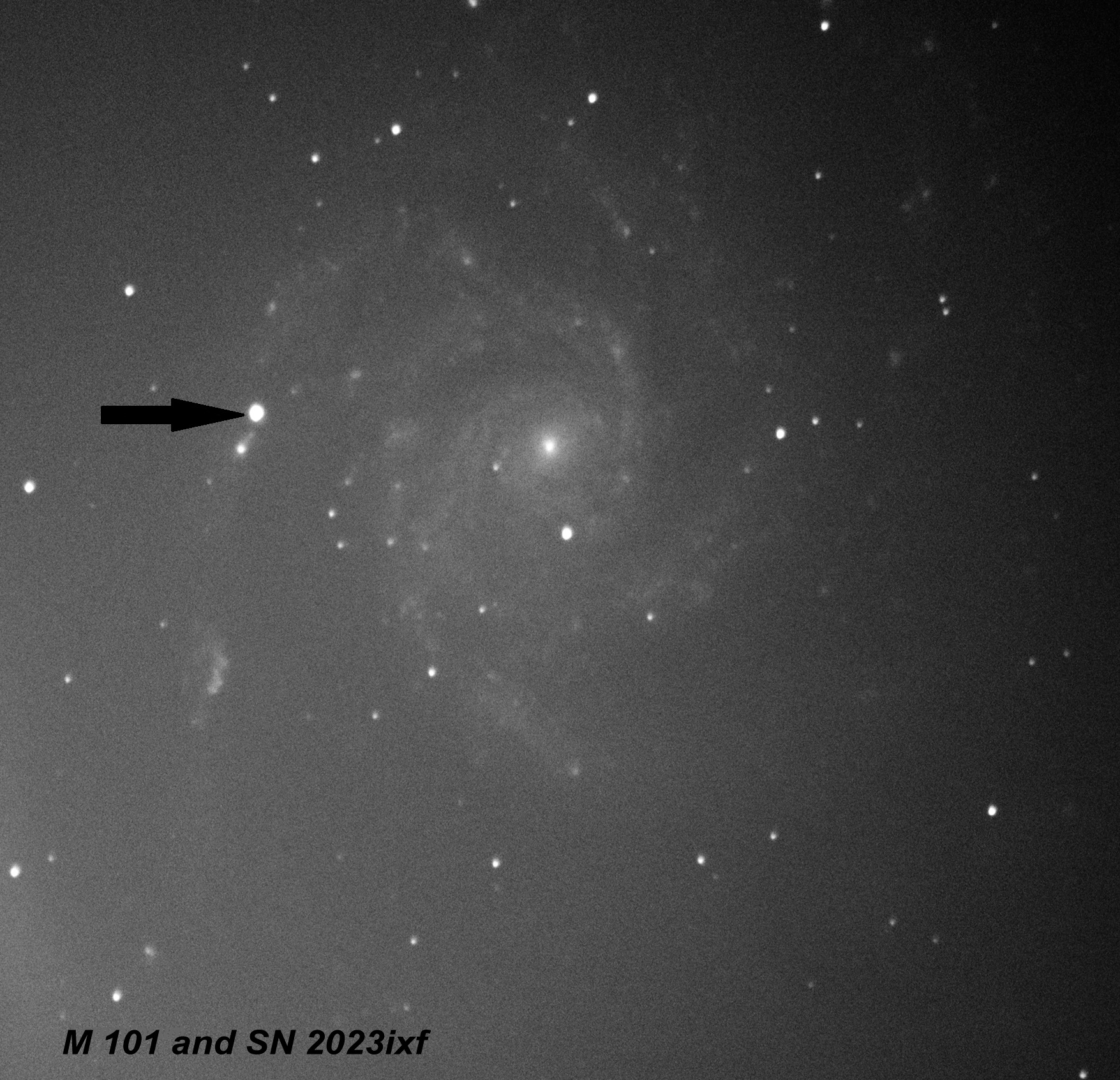
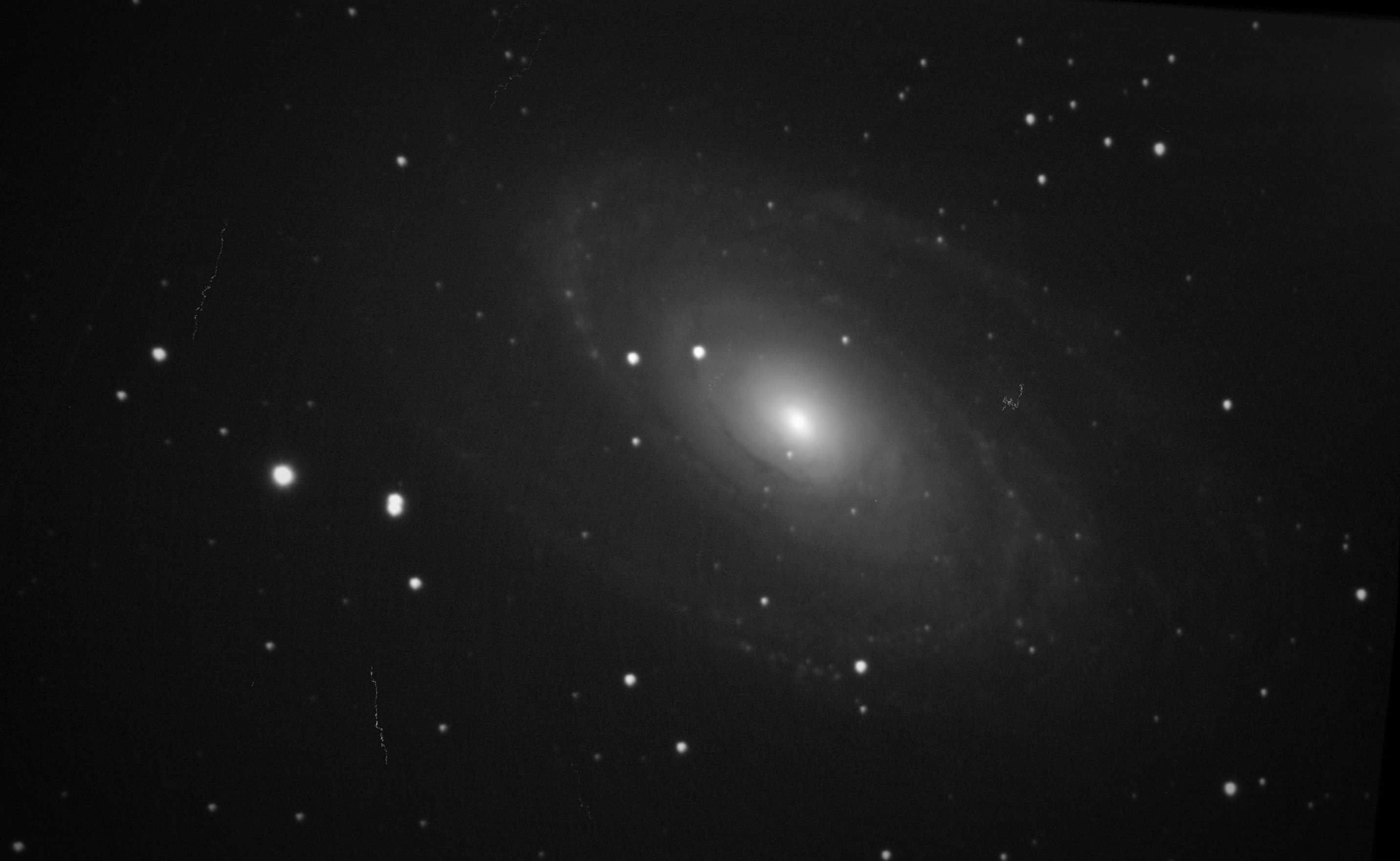
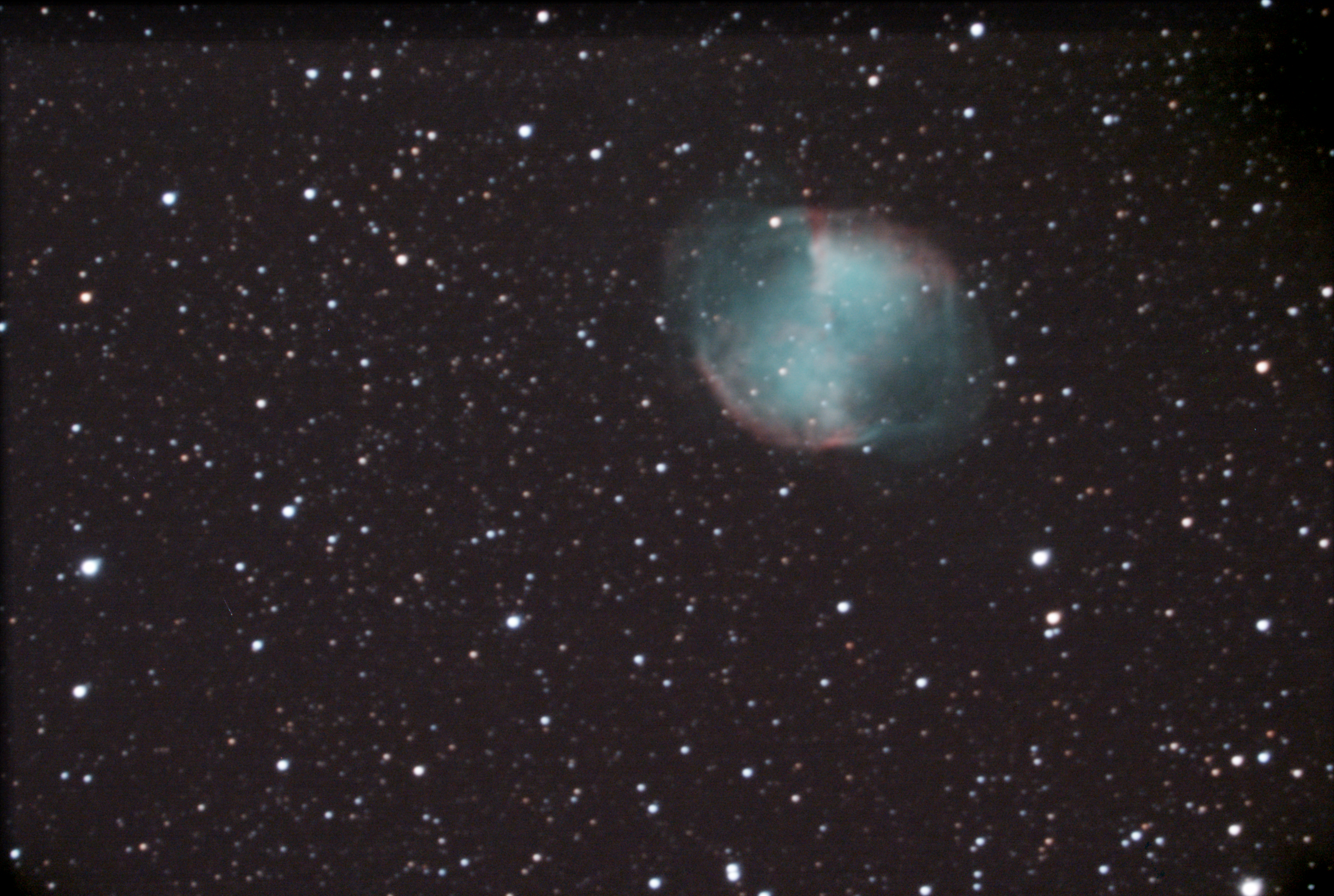
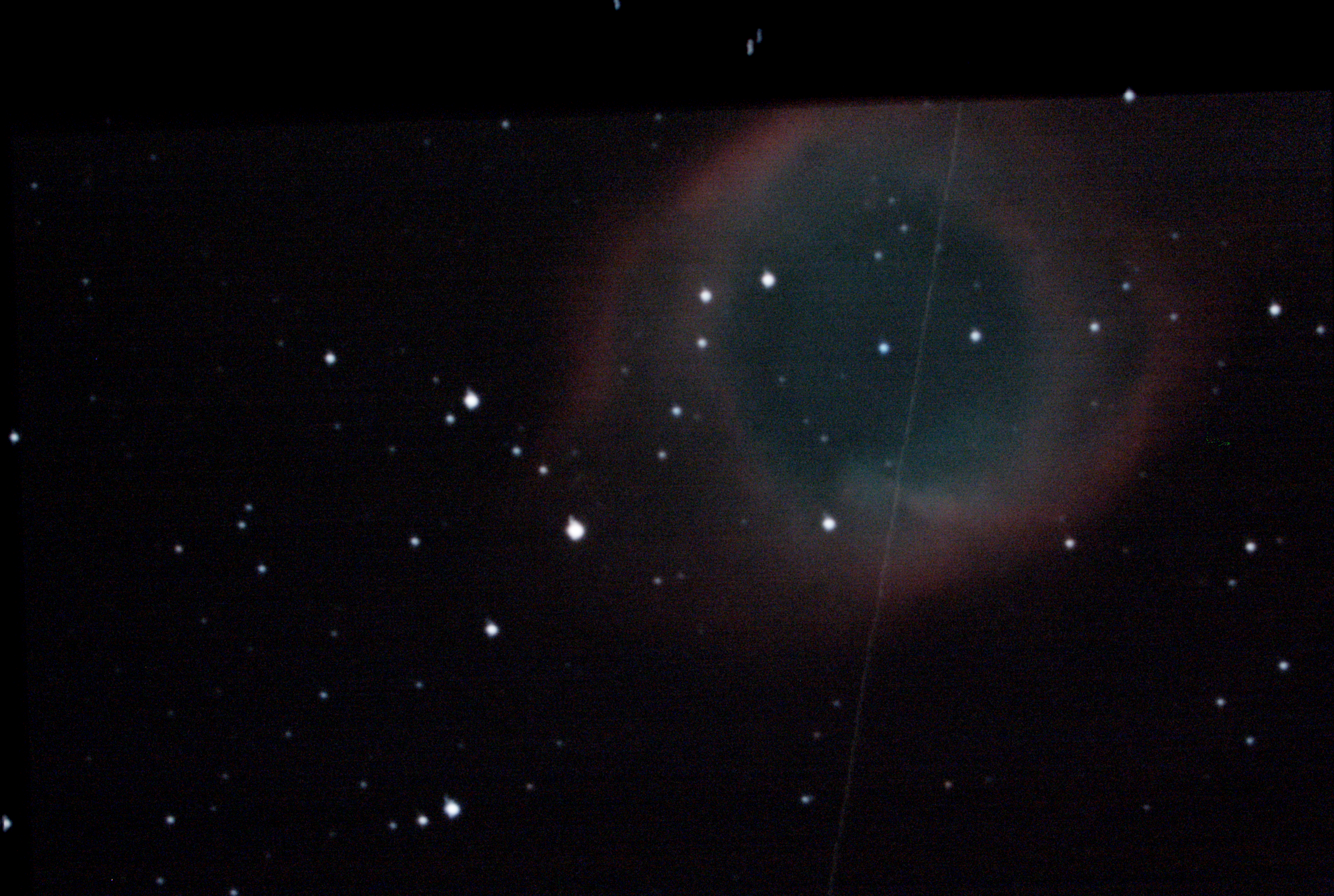
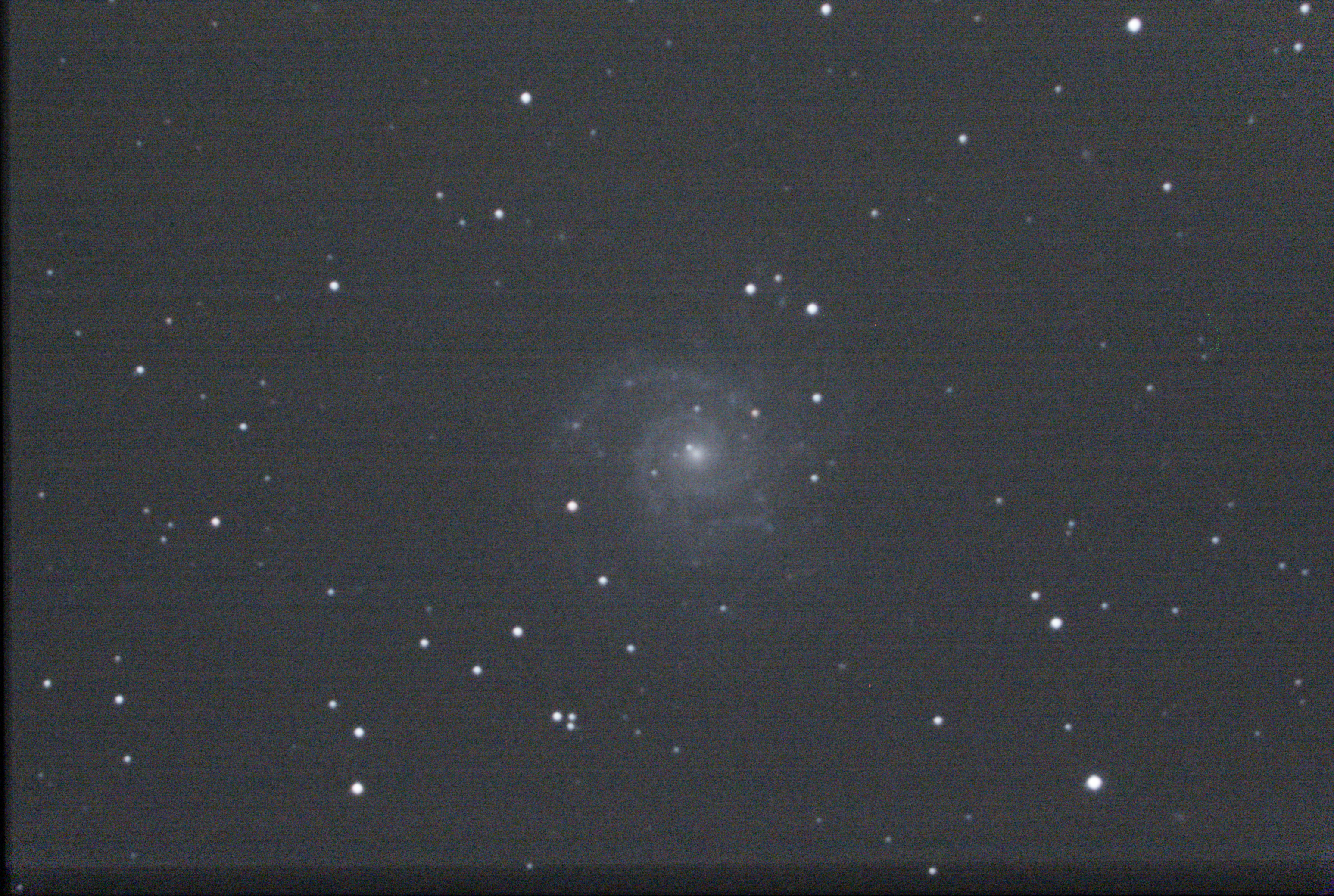
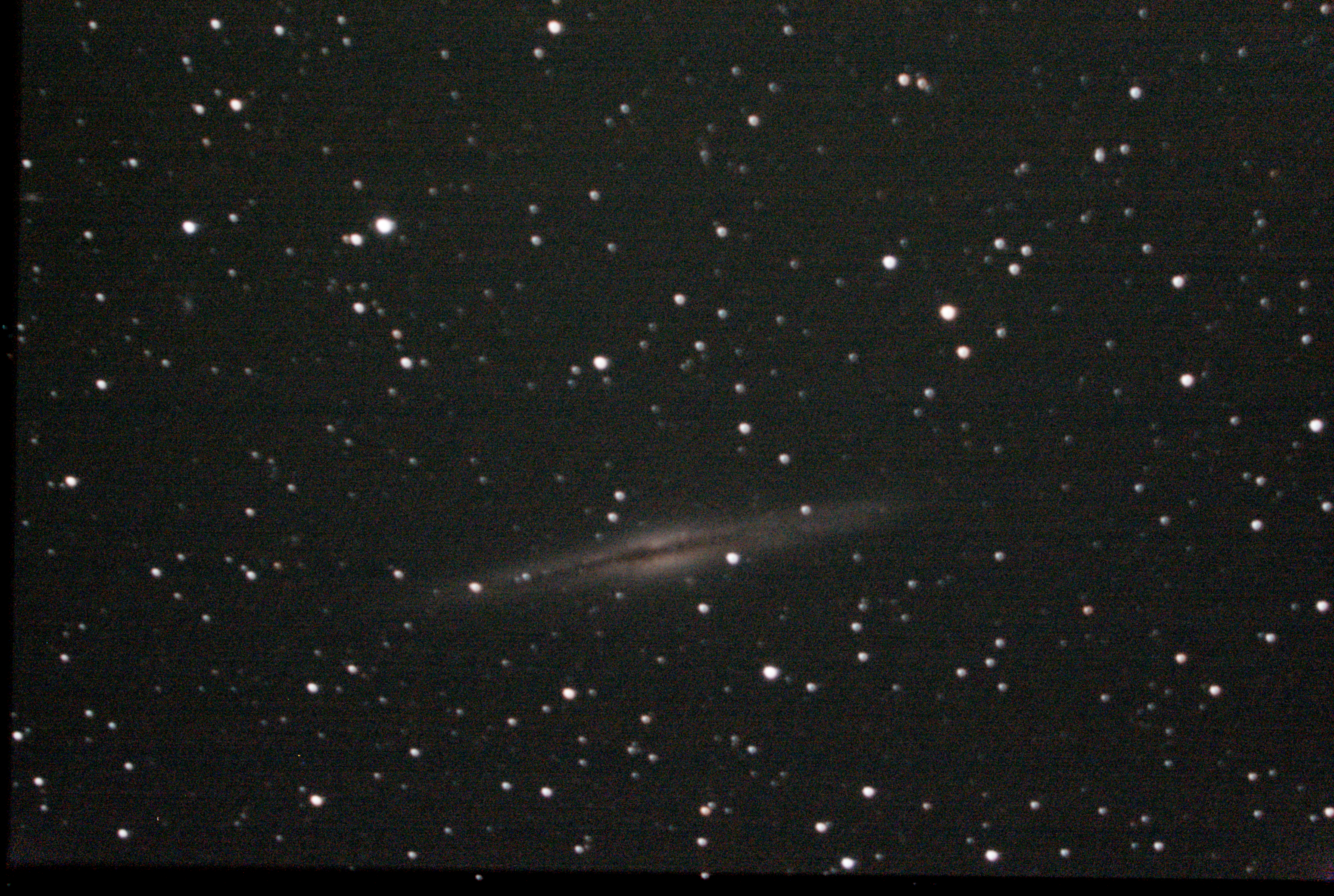
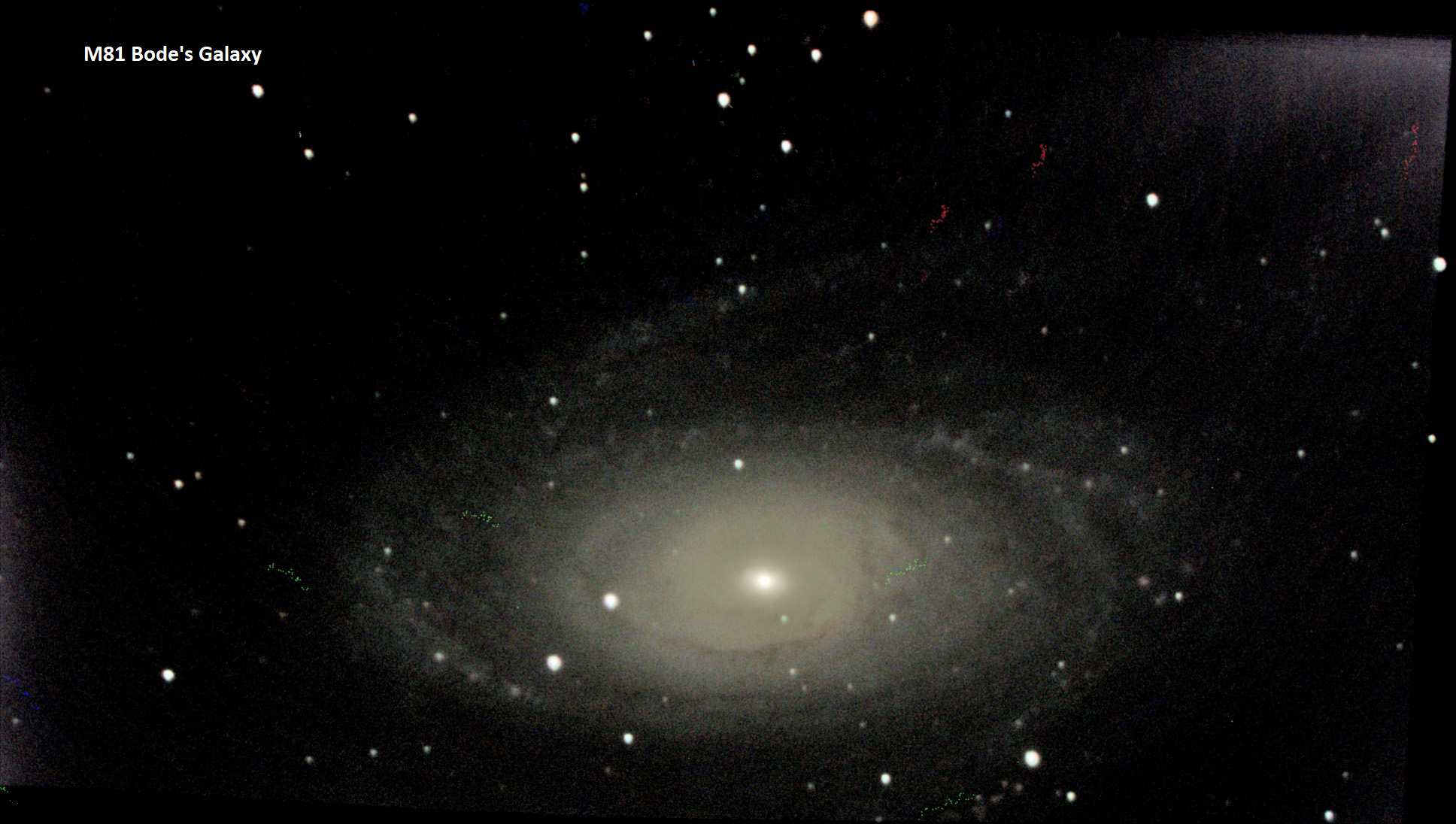
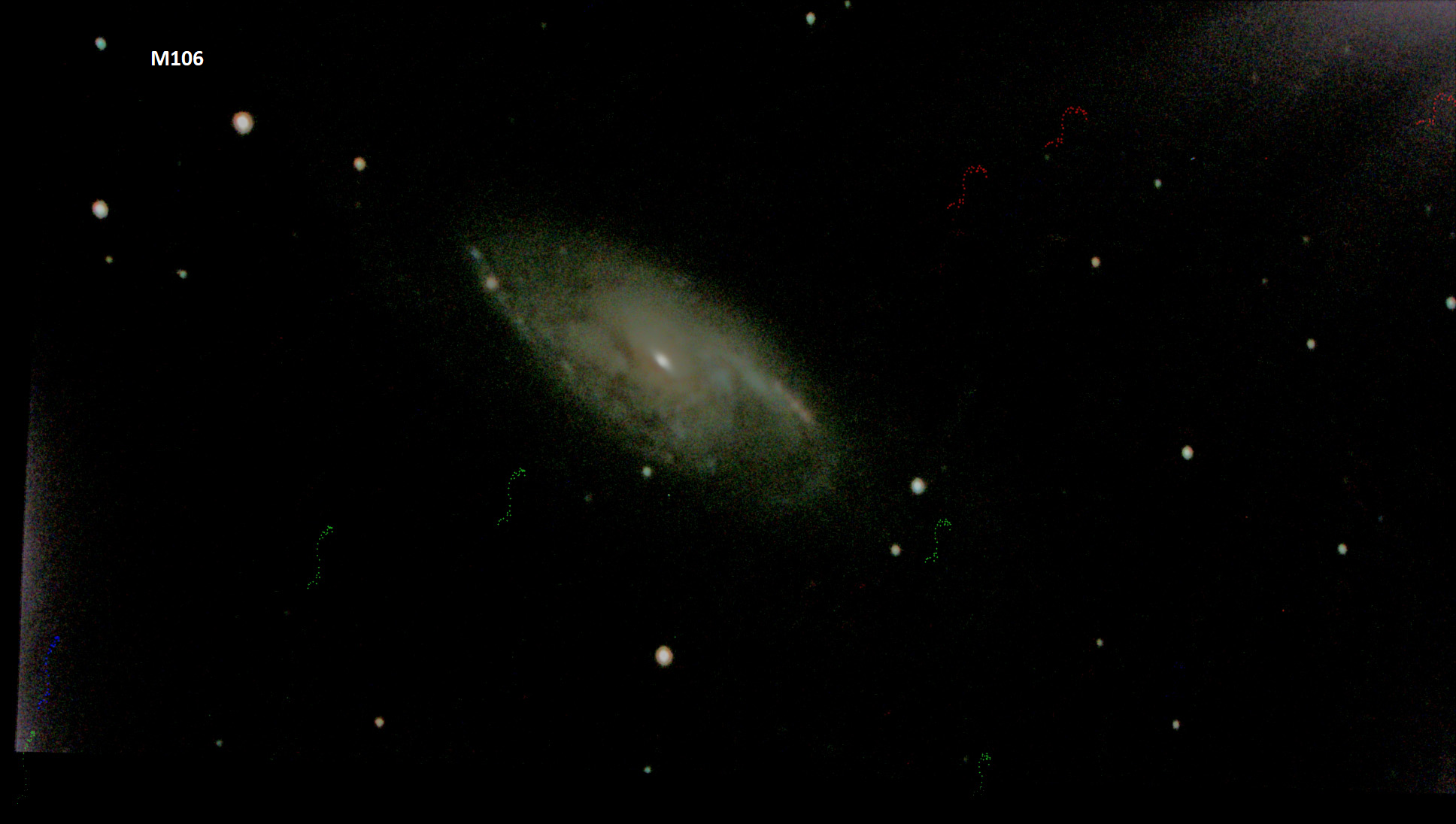
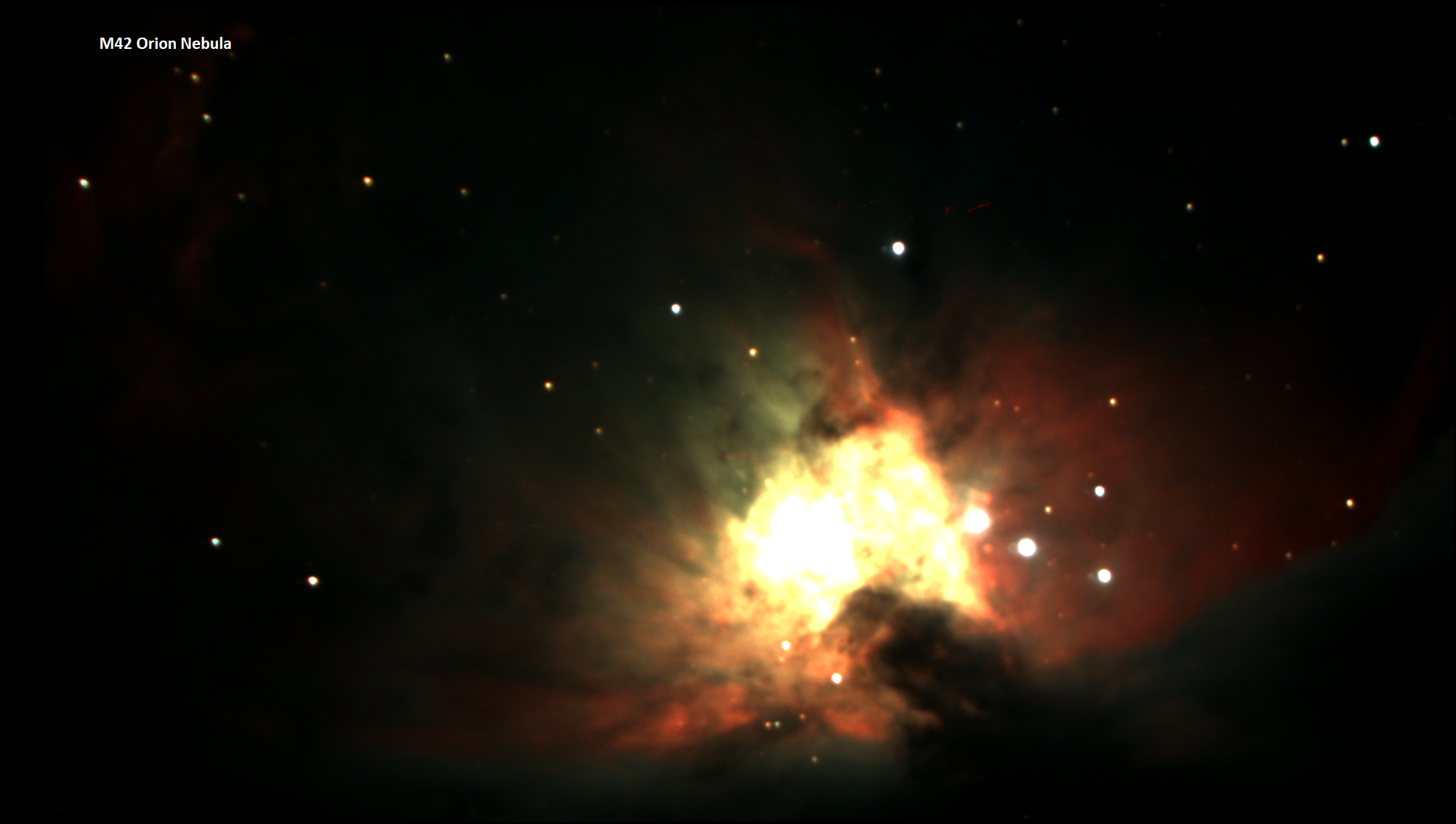
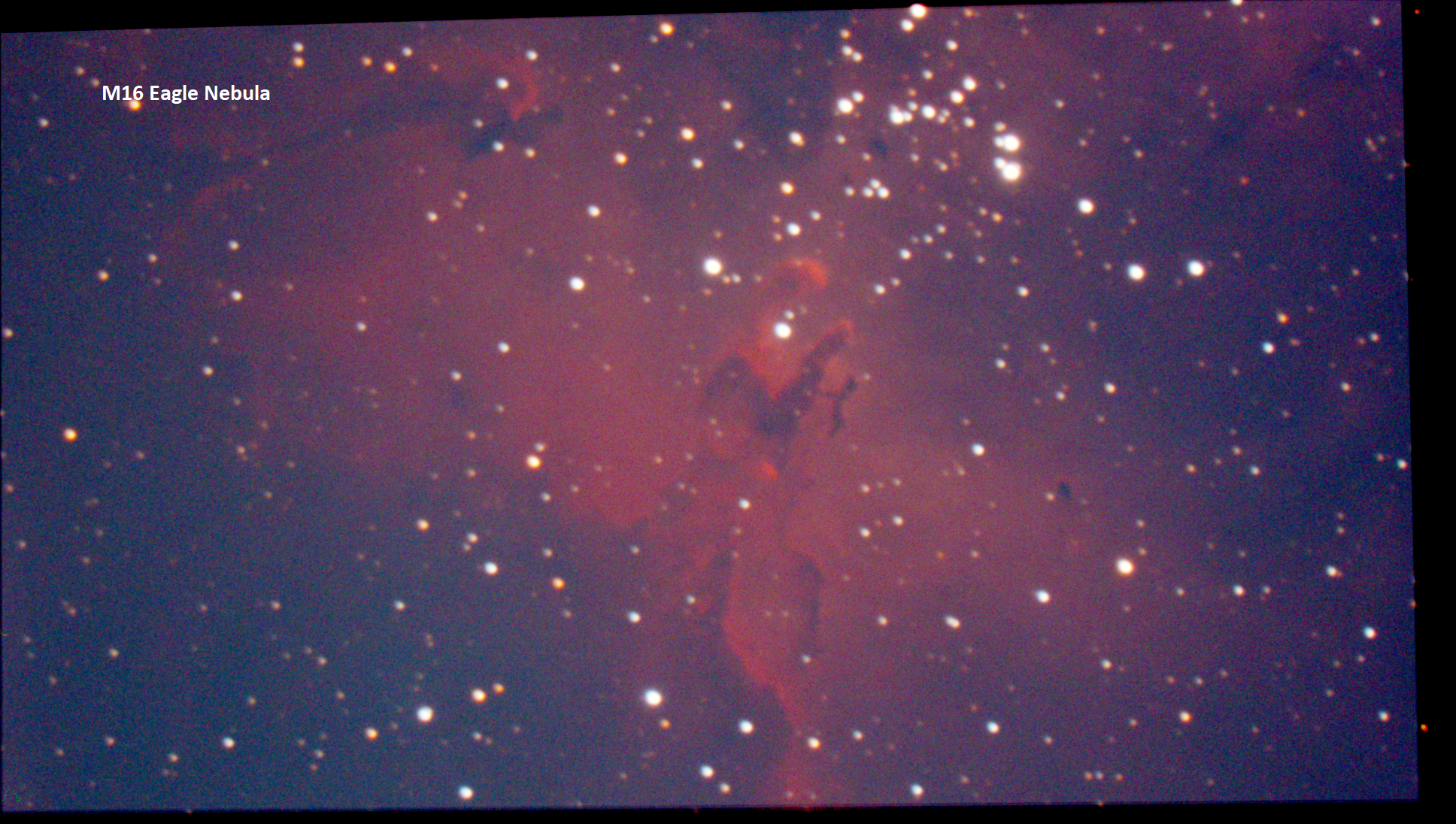
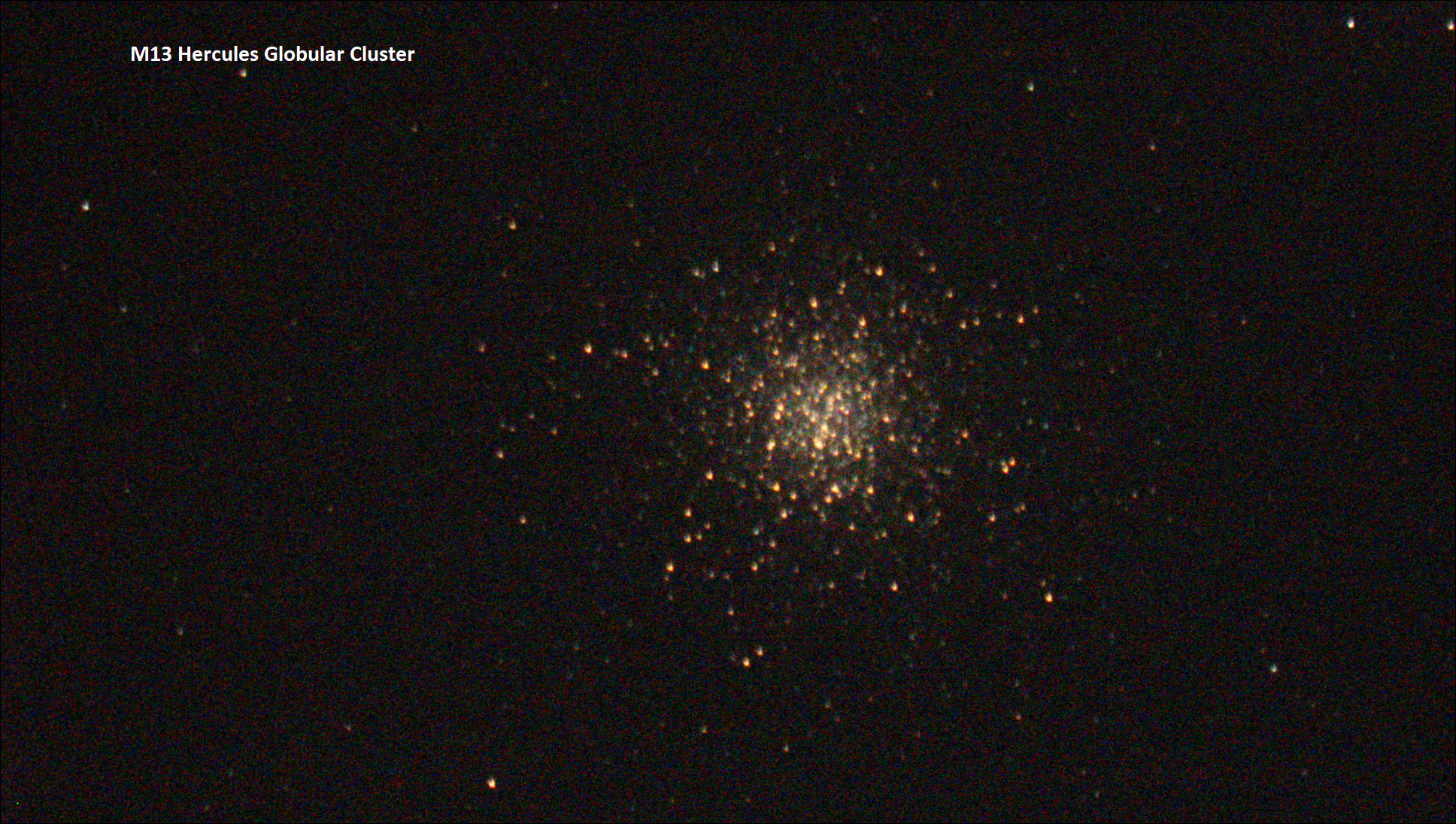
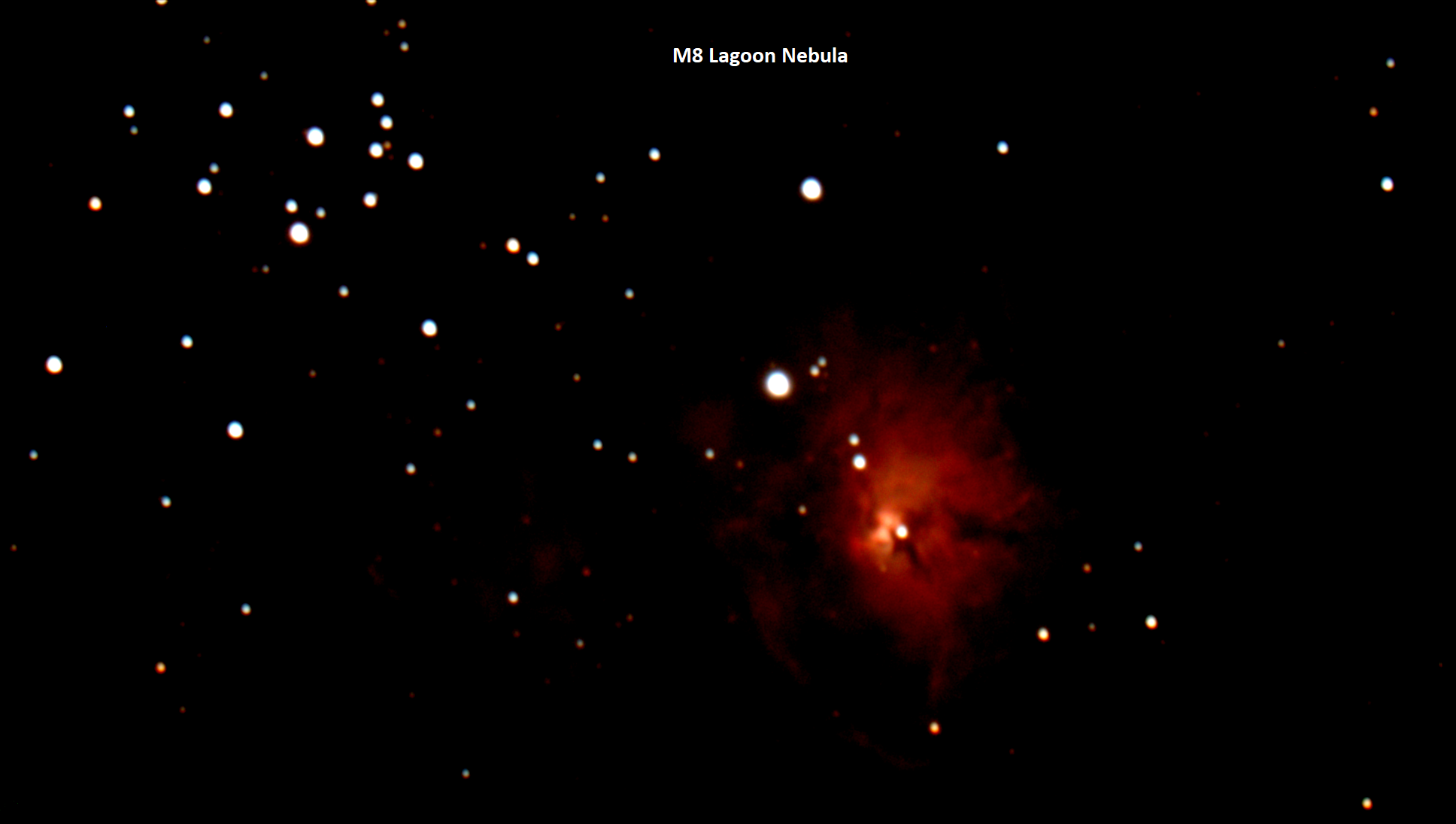
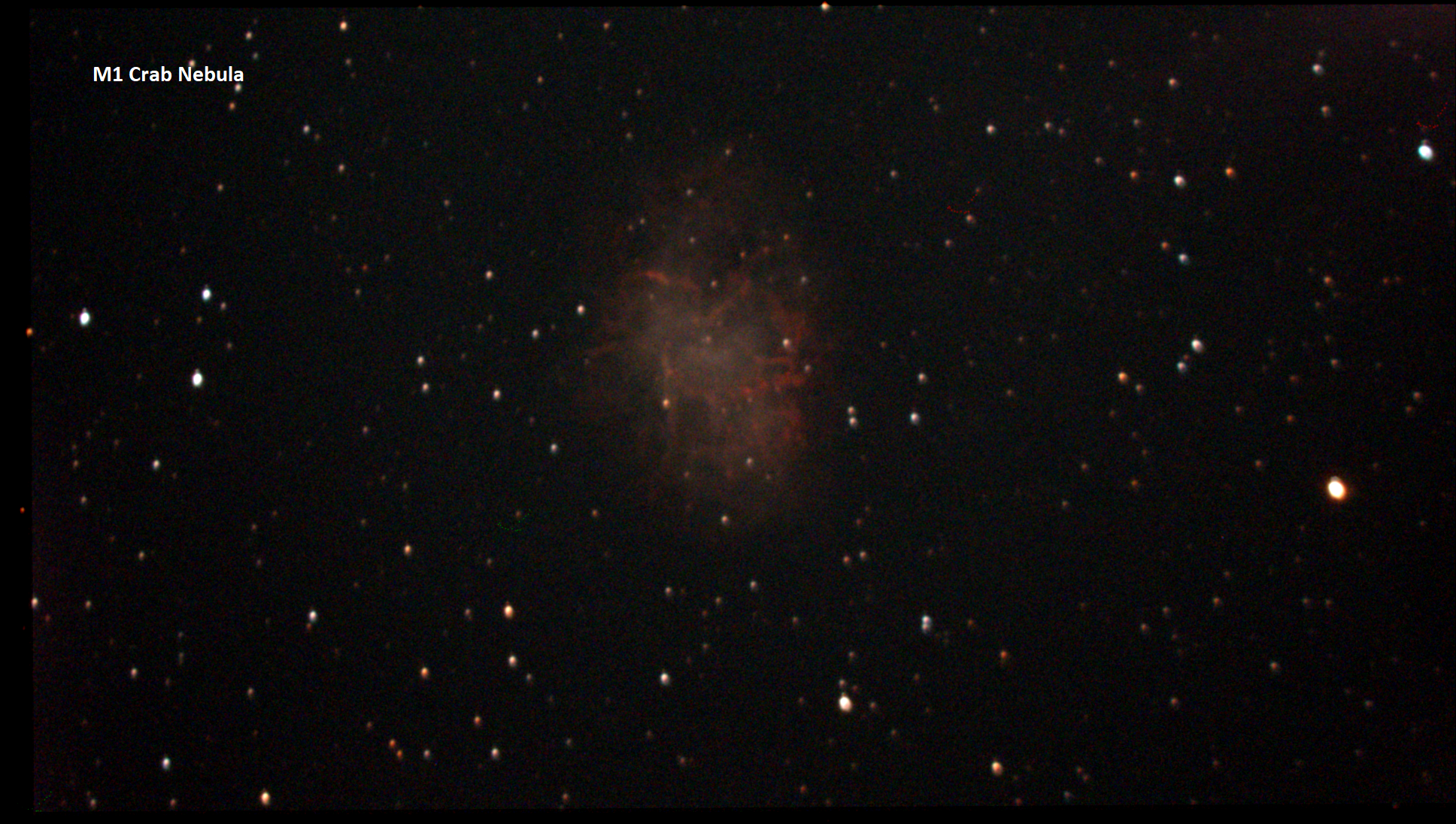
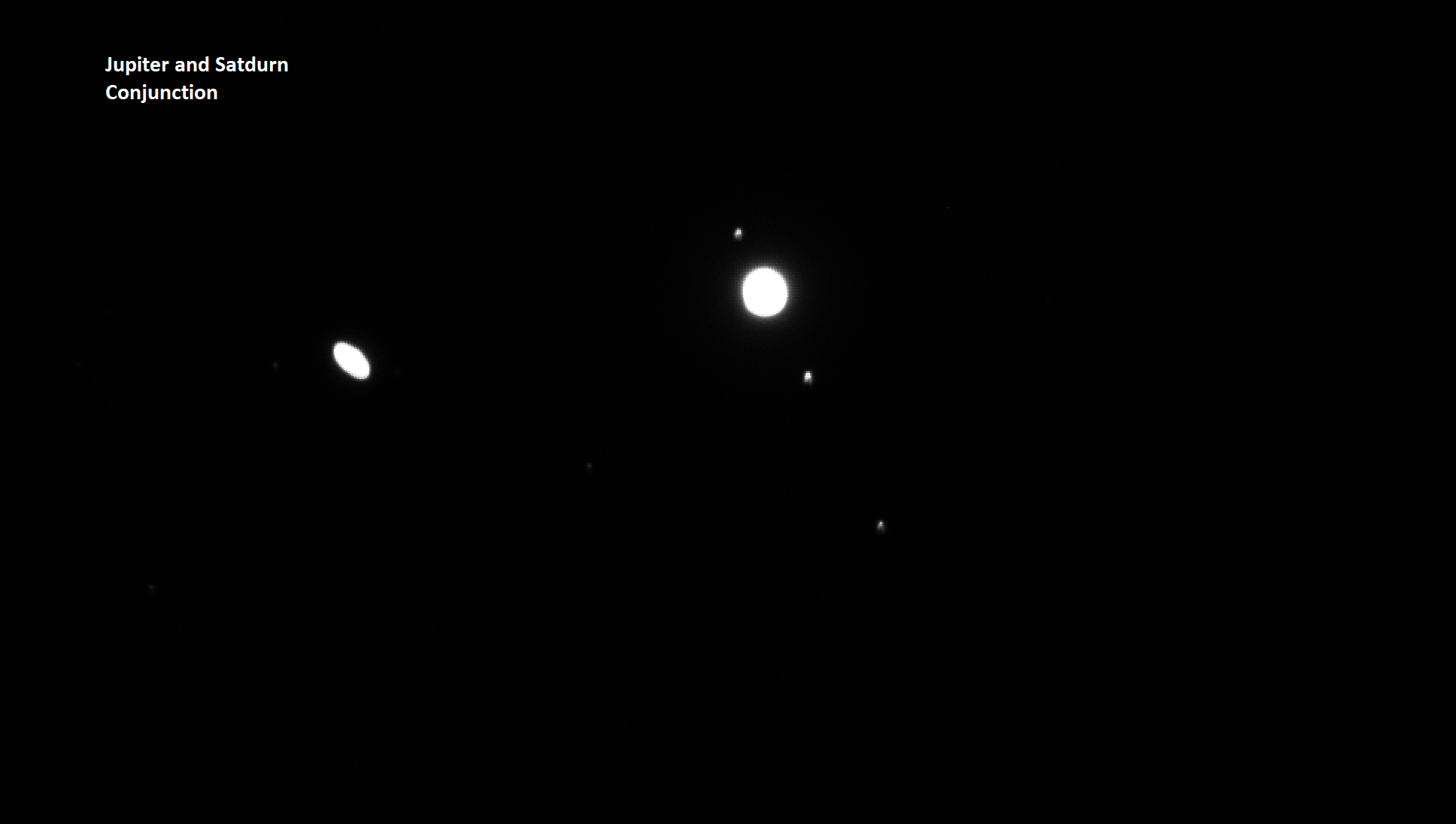
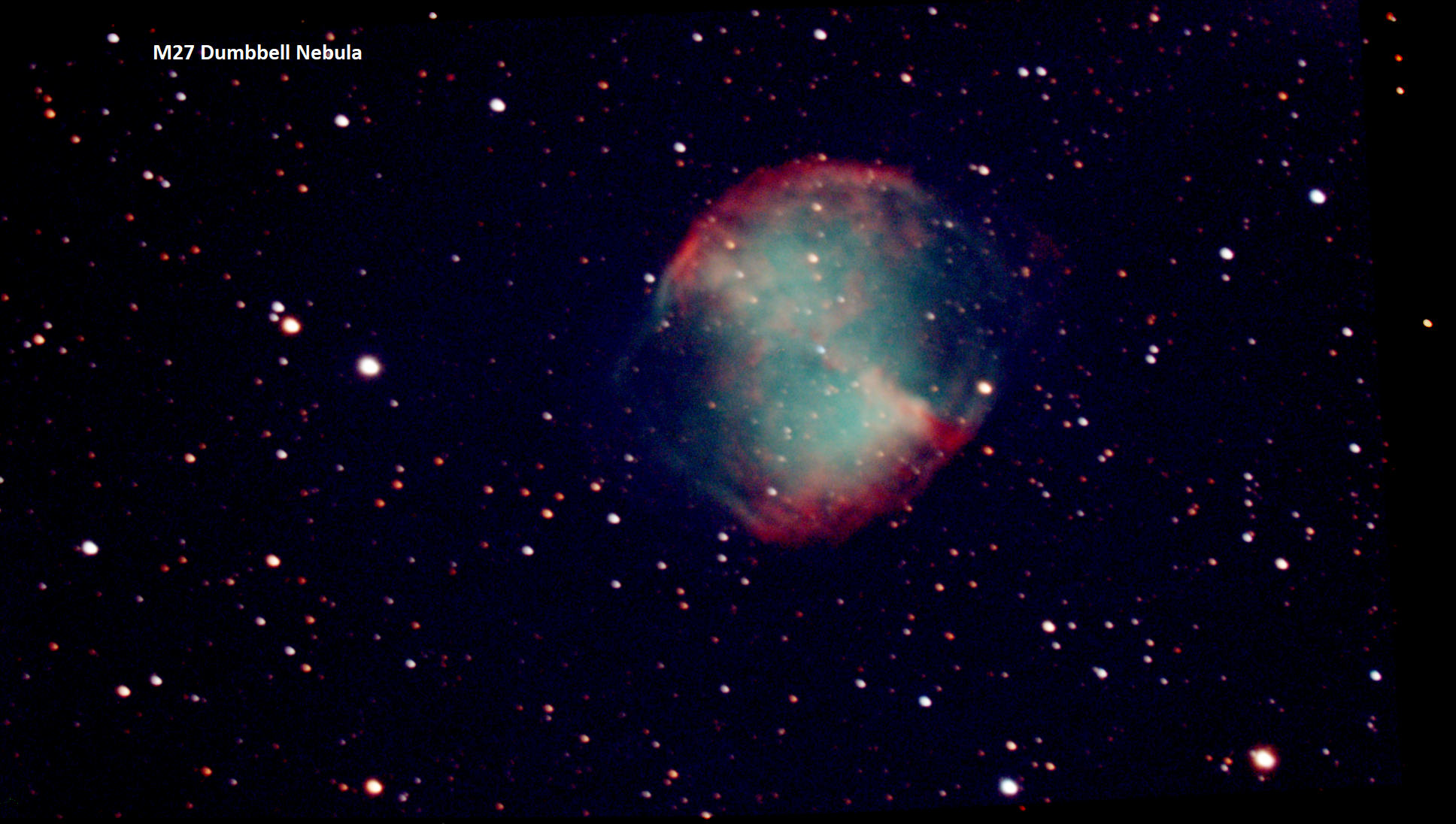
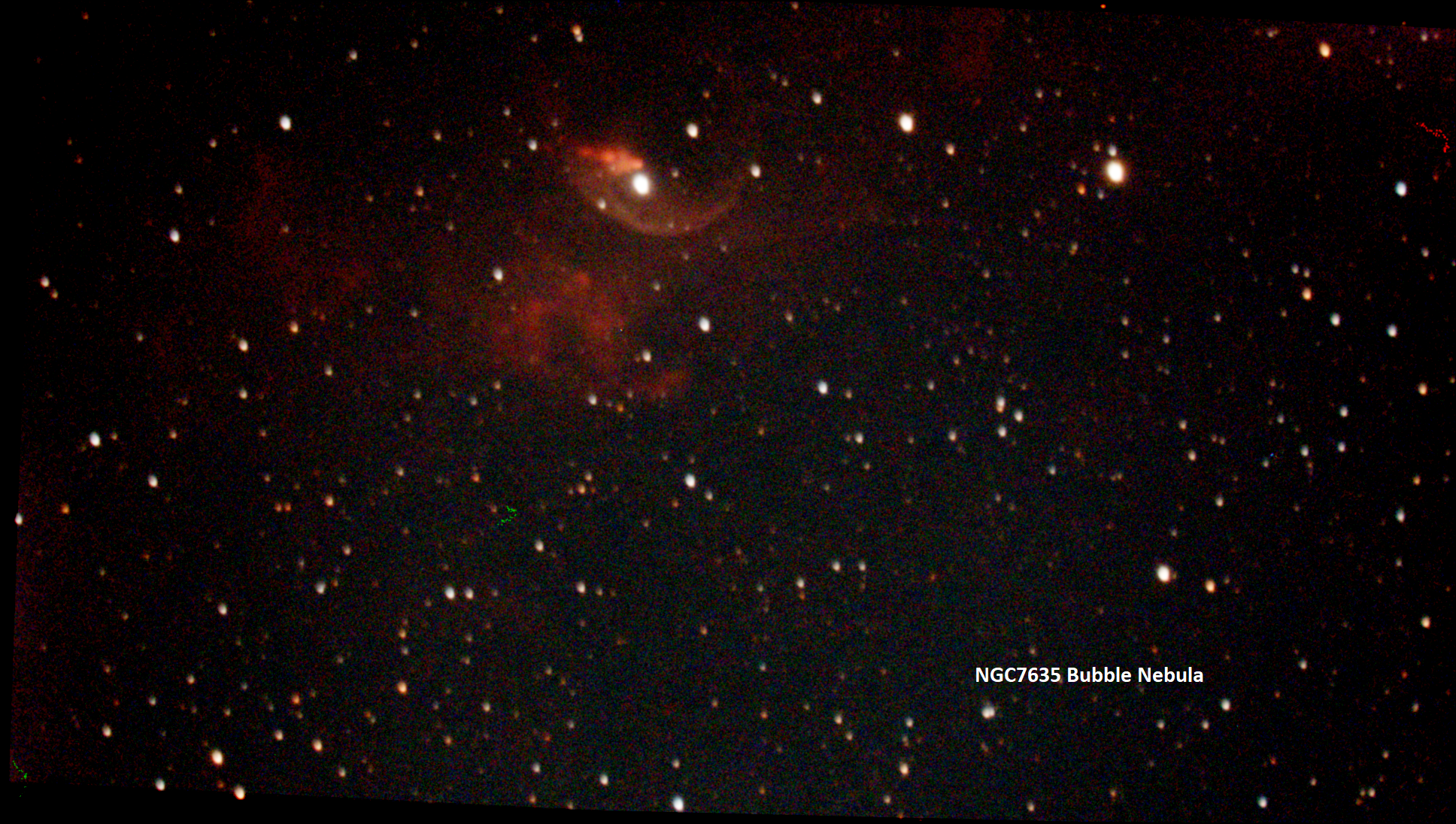
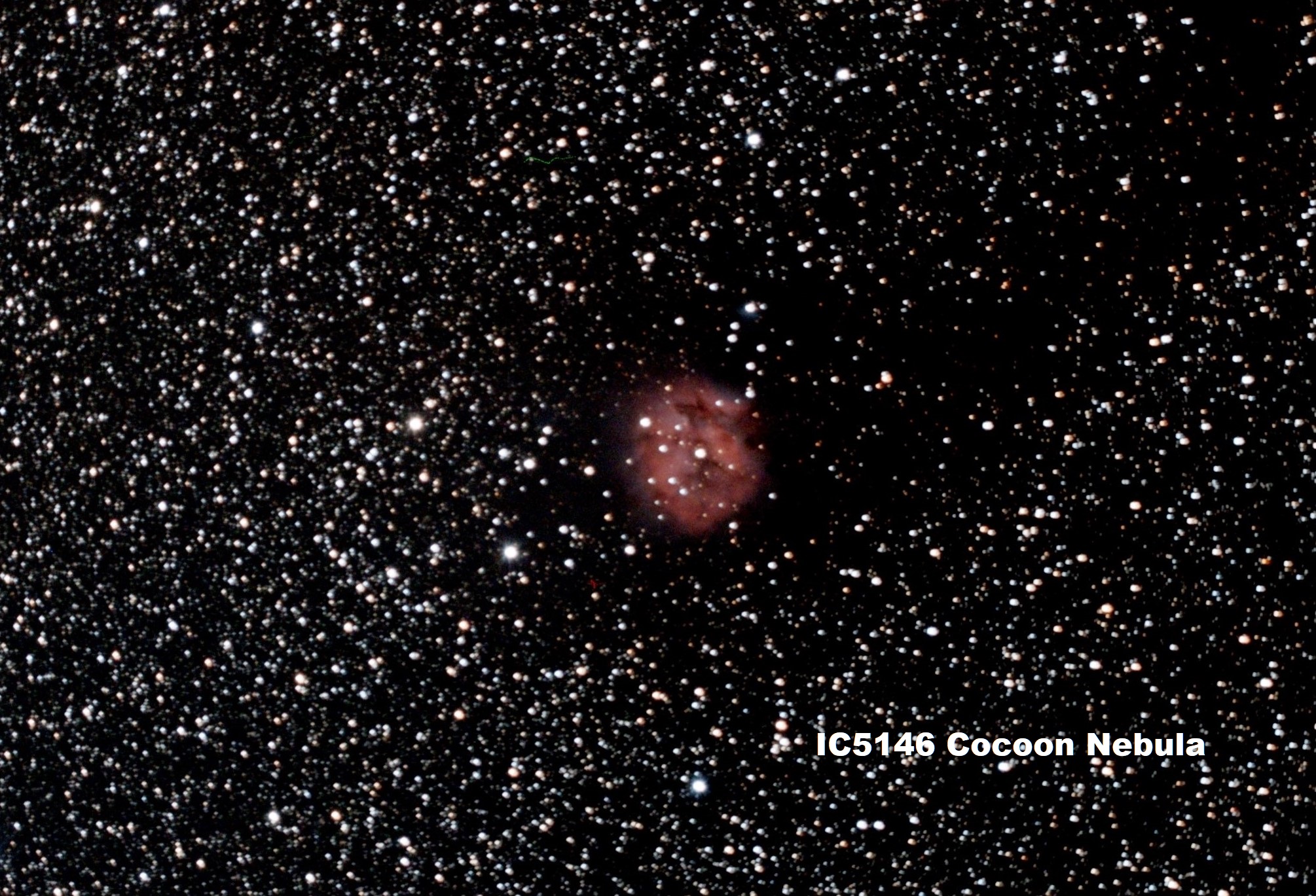
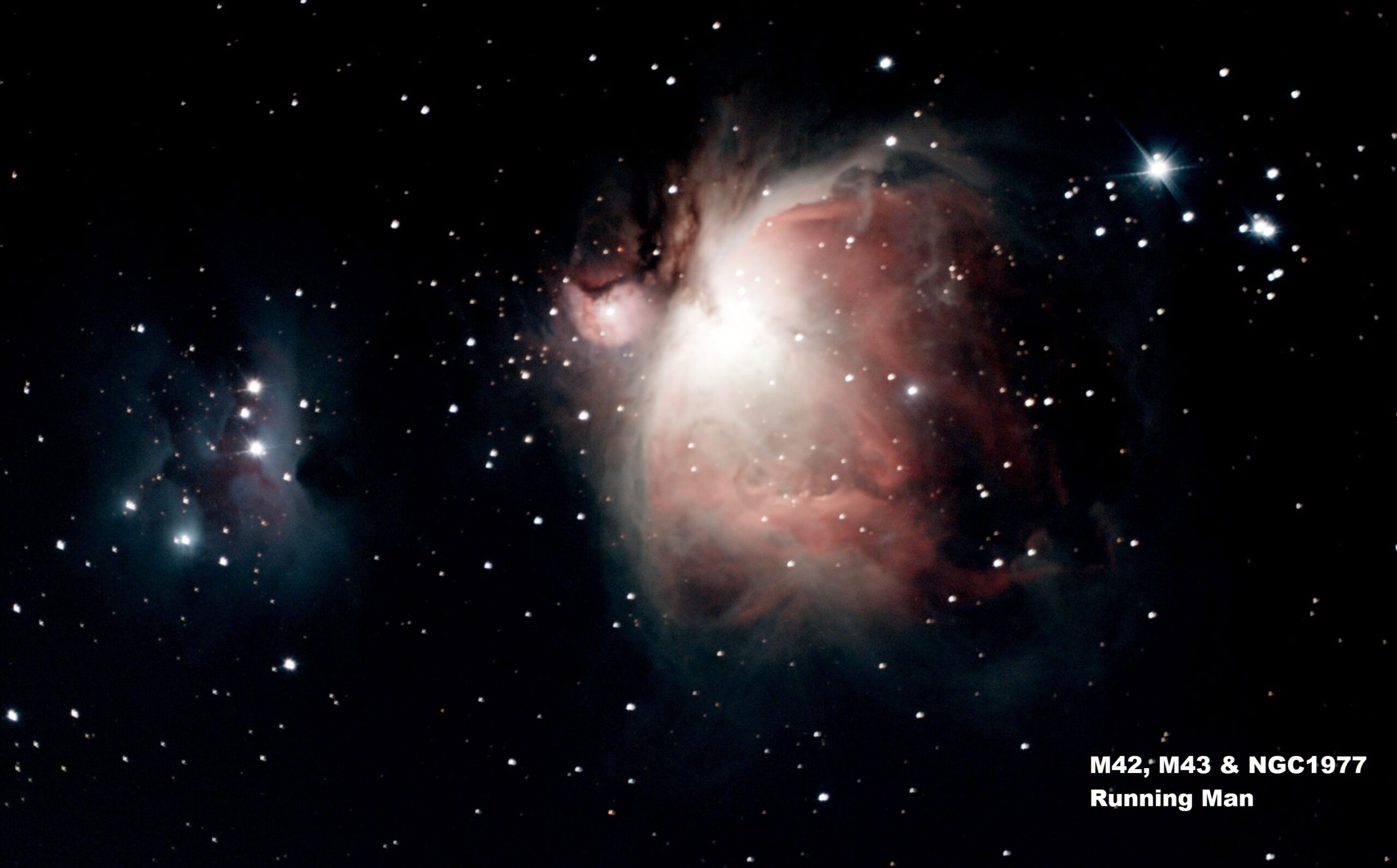
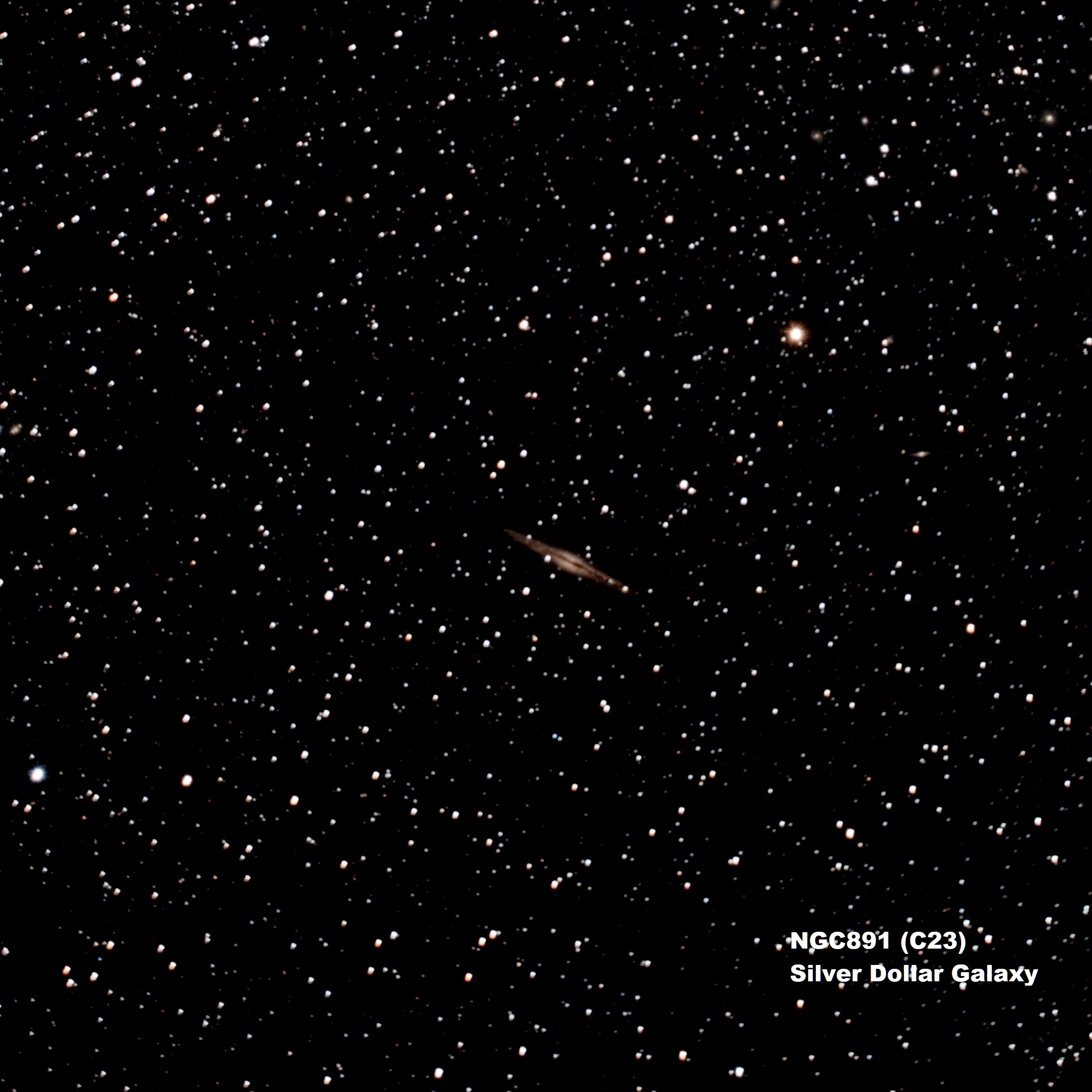
Bob does Electronically Assisted Astronomy (EAA).  EAA sits between visual astronomy and astrophotography.  A camera replaces the eye piece and gives live viewing on a screen.  For faint objects software stacks up photons in real time, results show on the screen in seconds and improve with exposure time.  None of these EAA photos have had post processing accept perhaps croping.

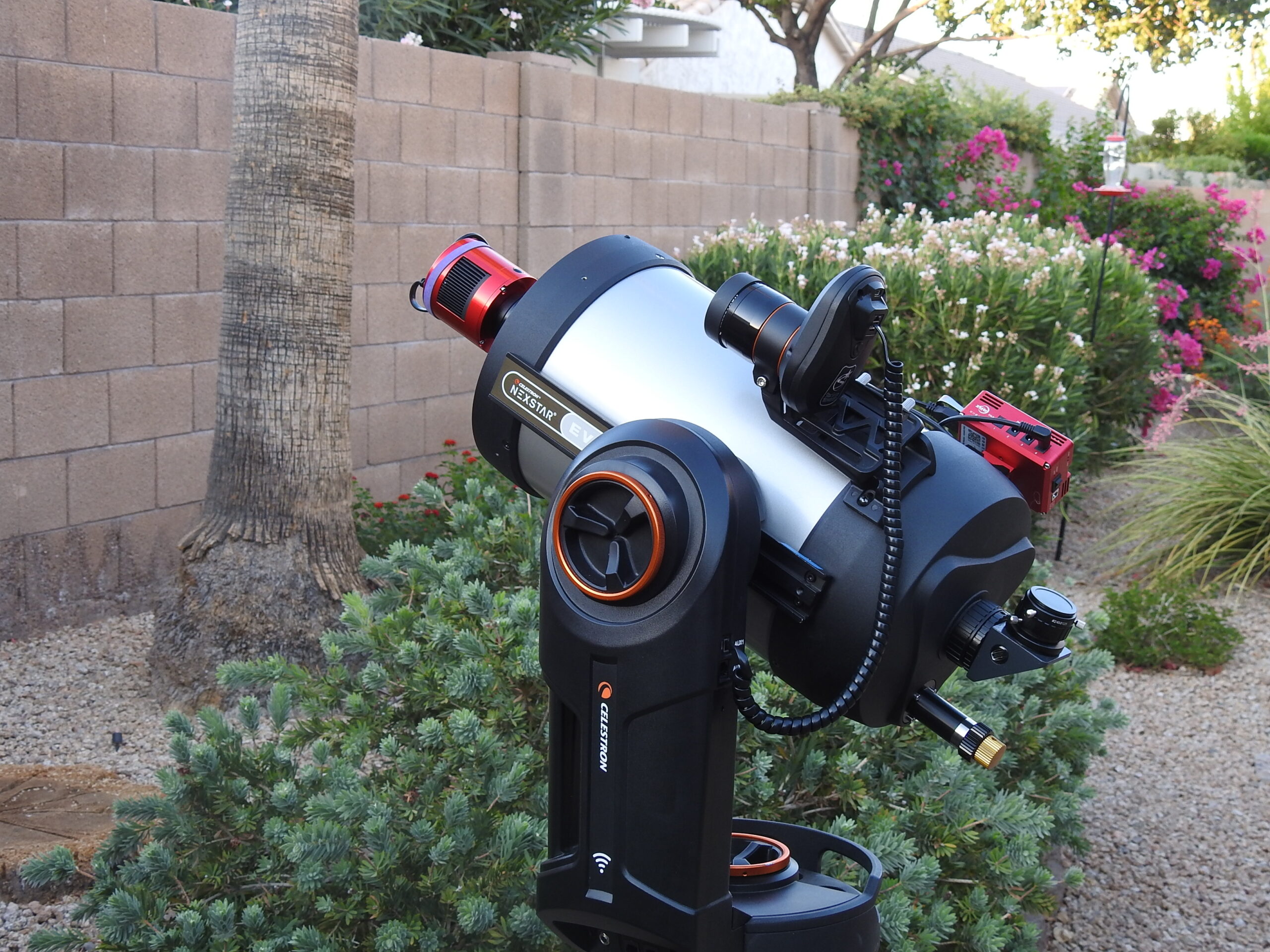
Bob uses a Celestron 8″ NexStar Evolution Computerized Telescope with StarSense autoalign.  The image train is a Optilong L-pro filter, a Starizona Night Owl .4x SCT Reducer and Corrector with a ZWO asi290 color camera.  Camera control and image stacking and capture is done using SharpCap software and a laptop PC.

Bob Colvert EAA
Bob Colvert EAA
Bob Colvert EAA
Bob Colvert EAA
Bob Colvert EAA
Bob Colvert EAA
Bob Colvert EAA
Bob Colvert EAA
Bob Colvert EAA
Bob Colvert EAA
Bob Colvert EAA
Bob Colvert EAA
Bob Colvert EAA
Bob Colvert EAA
Bob Colvert EAA
Bob Colvert EAA
Bob Colvert EAA
Bob Colvert EAA
Bob Colvert EAA
Bob Colvert EAA
Bob Colvert EAA
Bob Colvert EAA

Dave Elder

Dave is in his 70’s, started his astronomy hobby more seriously in 2000 when he retired in Arizona. He has a Celestron Evolution 8 with 5 Explore Scientific eyepieces which he haven’t used since he started using a camera. He says “I really can see more detail from my back yard with a camera than I could ever see with an eyepiece”.

 He uses ASI294MC Pro Color camera which has a wide FOV making it easier to find objects in the sky. He can use his set up at f 10 or f6,3 with a reducer or f1.9 with the HyperStar 8. He also uses the ASIAIR Pro as the brains of the system – to find objects, plate solve the objects, & live stack the photos.

His main object starting out was to photograph all the Messier objects. Online he sees photos taken by others to decide what he would like to

Dave Elder EAA
Dave Elder EAA
Dave Elder EAA
Dave Elder EAA
Dave Elder EAA
Dave Elder EAA
Dave Elder EAA
Dave Elder EAA
Dave Elder EAA
Dave Elder EAA
Dave Elder EAA
Dave Elder EAA
Dave Elder EAA
Dave Elder EAA
Dave Elder EAA
Dave Elder EAA
Dave Elder EAA
Dave Elder EAA
Dave Elder EAA
Dave Elder EAA
Dave Elder EAA
Dave Elder EAA
Dave Elder EAA
Dave Elder EAA
Dave Elder EAA
Dave Elder EAA
Dave Elder EAA
Dave Elder EAA
Dave Elder EAA
Dave Elder EAA-
Dave Elder EAA-
Dave Elder EAA-

Astrophotography Tools

APT (Astro Photography Tool) No matter what you are imaging with – Canon EOS, Nikon, CCD or CMOS astro camera, APT has the right tool for planning, collimating, aligning, focusing, framing, controlling/tethering, imaging, synchronizing, scheduling, meridian flipping, analyzing and monitoring.

Astronomy Picture of the Day  Each day a different image or photograph of our fascinating universe is featured, along with a brief explanation written by a professional astronomer.

A Beginner’s Guide to Choosing Equipment for Deep-Sky Electronically-Assisted Astronomy (EAA) Call it what you will, electronically-assisted astronomy is becoming a popular pastime for several reasons.

ASCOM Controllers A open source software required by many other softwares to connect and control electronic scopes and mounts.

Deep Sky Stacker (DSS) DSS is a freeware for astrophotographers that simplifies all the pre-processing steps of deep sky pictures: Registering, Stacking, Simple post-stacking processes to quickly view the final result, Saving the resulting image to a TIFF or FITS file (16 or 32 bit). It includes a manual and tutorials

PHD2 (Push Here Dummy 2) PHD2 is a free, open source telescope guiding software that simplifies the process of tracking a guide star, letting you concentrate on other aspects of deep-sky imaging or spectroscopy.

Backyard EOS/Nikon A paid and powerful tool for all you DSLR astrophotographers looking to control your DSLR with ease.

NINA Astrophotography Tool (Free) Nighttime Imaging ‘N’ Astronomy (NINA) is a free tool that provides astrophotographers the tools to choose targets, control image framing, focusing, centering and control equipment. The tool is open source and in active development to improve capabilities. See the NINA home page for full details.

AstroBackYard Homegrown website about back yard astrophotography

SharpCap SharpCap is an easy-to-use and powerful astronomy camera capture tool. It can be used with dedicated astronomy cameras, webcams and USB frame grabbers. A wide range of features makes SharpCap suitable for many types of astro-imaging including Planetary, Lunar, Solar, Deep Sky and EAA (Electronically Assisted Astronomy).  Comprehensive documentation will help those who are just getting started.

Educational – Astrophotography

Astro Photography Tutorials & More

AZSTARMAN Image Processing Tutorials by Bernard Miller. Bernard Miller has been doing astrophotography for over ten years. His pictures have been published in Astronomy Magazine, Sky and Telescope Magazine, NASA Astronomy Picture of the Day (APOD), and Amateur Astronomy Picture of the Day (AAPOD). This channel contains astrophotography image processing tutorials on various techniques he uses when processing his astronomy images. Each video contains a short tutorial on topics such as star mask generation, image sharpening, color enhancement, etc. He will add additional videos in the future. He may also add more detailed tutorials on processing an image from start to finish.

Patrioit Astro with mission to help others enjoy the amazing hobby of Astrophotography, has an extensive playlist of videos on using N.I.N.A. and N.I.N.A. plugins, plus a great number of videos on other interesting subjects like Building a Portable Telescope Solution, Building an Astro PC, Polar Alignment Solutions and much much more.

Peter Zelinka’s YouTube Channel is to help the average person learn more about astrophotography, without making it overly complicated. It covers Milky Way, Star Trails, and Deep Space. Along the way he uses different gear depending on one’s budget, all with the main idea – “make life easier”. He is very experienced with star trackers and offers course in them and go-to-mounts. He also has a gret course on usinf dedicated astro camera for deep sky imaging and on many tools such as PixInsight and Photoshop for an average user.

SMALL OPTICS YouTube Channel. It is called SMALL OPTICS because this is the 60 to 150mm club. You wont find big expensive telescopes or fancy equipment here, just entry level stuff. But SMALL OPTICS DOSE NOT MEAN SMALL UNIMPRESSIVE VIEWS! You can see, The Rings Of Saturn, Detail On Jupitar, Deep Sky Objects, Double Stars, and the moon. Videos in this channel cover how to photograph these objects with nothing more than a mobile phone and a small telescope. The channel has reviews of budget friendly quality equipment, tips-n-tricks, and much more.

The Digital Astronomer YouTube Channel is intended to chronicle experience of a beginner in Electronically Assisted Astronomy (or Digital astronomy). The channel shares useful information from amateur astronomers about the techniques and methods involved in this hobby.

Astrophotography from $100 to $10,000 by Nico Carver. Five astrophotography kits, one night, all pointed at the center of our galaxy! Join Nico on this adventure in astrophotography gear in a massive shootout!

The Perfect Starter Astrophotography Kit (Under $2K)by Trevor Jones. Watch the video or see the full article with details here: This Astrophotography Kit is Less Than $2K (and works amazing)

NO TRACKER – DEEP SKY Imaging from Tokyo! by Cuiv, The Lazy Geek Deep sky narrowband imaging… with just a camera and tripod! It’s quite different than usual, but man is it fun! Featuring Pentax Astrotracer technology! A narrowband image without any external star tracker or mount, just camera and tripod!

Forrest Tanaka (a bit old but great overview of equipment): Video on Youtube

James Lamb: Video on Youtube

Using Images of Others (Hubble Playlists) : Video on Youtube

Astrophotography Meeting Presentations

Electronically Assisted Astronomy by Robert Colvert Apr 20, 2021

Robert Colvert, our club’s Program Director, talks about EAA (Electronically Assisted Astronomy). Besides addressing the finer points of this interesting subject, he shares his own experience, shows us samples of what he has done, talks about the challenges and fun of doing EAA, and provides guidance to those who may want to jump into this aspect of astro-imaging.

https://www.youtube.com/watch?v=0iem9DCkmrY&list=PLIpTYgYT48rMUr4gYwcs56Fma1jHUVrNK&index=10&pp=gAQBiAQB
Electronically Assisted Astronomy

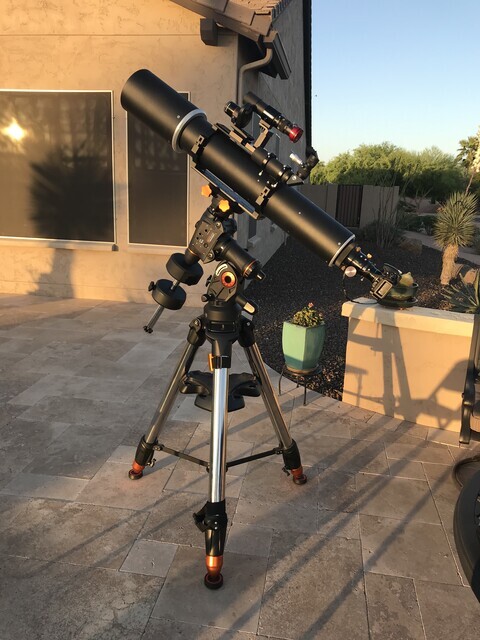
Basics of image calibration, registration, and stacking by Bernard Miller May 18, 2021

Bernard Miller, (http://www.azstarman.net) an accomplished Astro-photographer, has featured in Astronomy Magazine, Sky and Telescope, the NASA APOD website, and the Royal Observatory, Greenwich.

Bernard’s talk covers the basics of image calibration, registration, and stacking. Bernard uses Pixinsight to demonstrate the process. The objective is to get us knowledgeable in creating image masters in L and RGB, ready for finishing the images in software like Photoshop.
https://www.youtube.com/watch?v=plMJ4IT8OLU&list=PLIpTYgYT48rMUr4gYwcs56Fma1jHUVrNK&index=9&pp=gAQBiAQB
Image calibration, registration, and stacking

Key factors that affect image quality by Charles Bracken June 15, 2021

Charles Bracken, well known author and presenter, talks about basics of astrophotography. His “Deep Space Imaging Primer” is an excellent general purpose resource for Astrophotography, and his “Astrophotography Sky Atlas” is probably the most useful sky atlas for an astrophotography. His website Deep-Sky Imaging (https://digitalstars.wordpress.com/) details his on-going work. he has an incredible APOD image capture of comet c20020m3 in Orion with a wide angle lens. His other presentations of interest are “Understanding Signal, Noise, and Resolution in Astro-imaging”, and “Finding the Optimal Nights to Image an Object”.

https://www.youtube.com/watch?v=J_4i1kGKiRs&list=PLIpTYgYT48rMUr4gYwcs56Fma1jHUVrNK&index=8&t=9s&pp=gAQBiAQB
Key factors that affect image quality

Imaging Workflow by Bruce Barron July 20, 2021

Bruce Barron, a WVAC member, is a seasoned hand at both imaging and spectroscopy. In his talk on Imaging Workflow he gives a short intro to his equipment, software and how he does various tasks, followed by on-screen processing of a series of subs of M3 and M42. These tasks include calibration, plate solving, aligning, stacking, initial processing, color correction and integration of narrow band subs.

https://www.youtube.com/watch?v=sBsT8uj_xAI&list=PLIpTYgYT48rMUr4gYwcs56Fma1jHUVrNK&index=7&t=6s&pp=gAQBiAQB
Imaging Workflow

My journey into Astrophotography by Larry Matney Aug 17, 2021

Larry, a WVAC member, describes his journey into astrophotography and what he learned about cameras along the way. He started with an unmodified DSLR and now has a “real” astrophotography camera. The journey has not been smooth and is still a bit rocky (so he says!) but some of his experiences will be helpful to those just getting into astrophotography or considering moving from a normal DSLR or mirror-less camera to one of the dedicated astrophotography cameras. There are many paths that can be taken to get into astrophotography and this presentation is just one of them.

https://www.youtube.com/watch?v=6sKJemy-fPk&list=PLIpTYgYT48rMUr4gYwcs56Fma1jHUVrNK&index=6&t=86s&pp=gAQBiAQB
My journey into Astrophotography

Post Processing Astrophotography Images by Bernard Miller Sep 21, 2021.

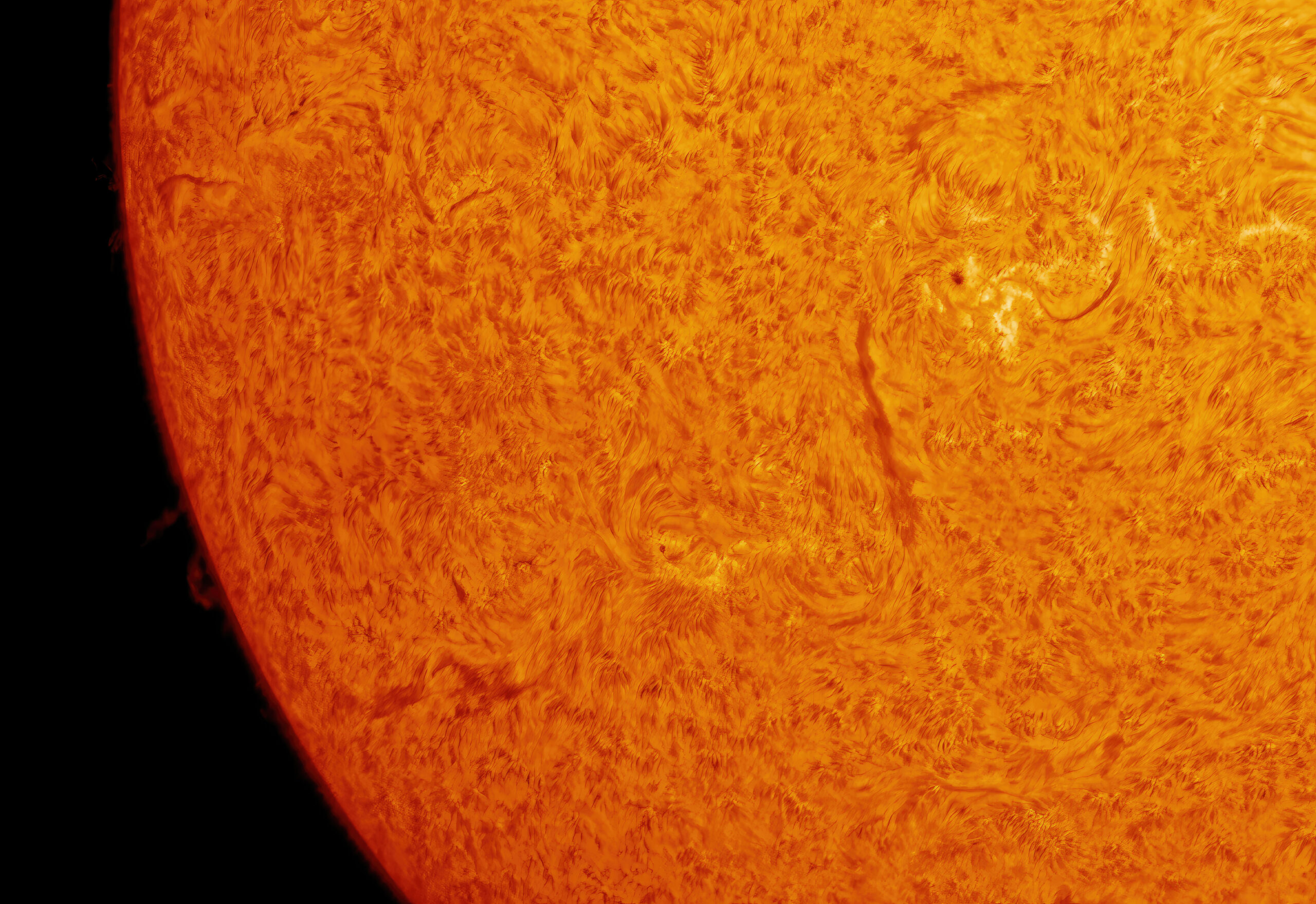
This is a follow-up to Bernard Miller’s (http://www.azstarman.net) June presentation on the basics of image calibration, registration, and stacking. In this presentation he takes us through and illustrates the process he uses to post process images in Photoshop.
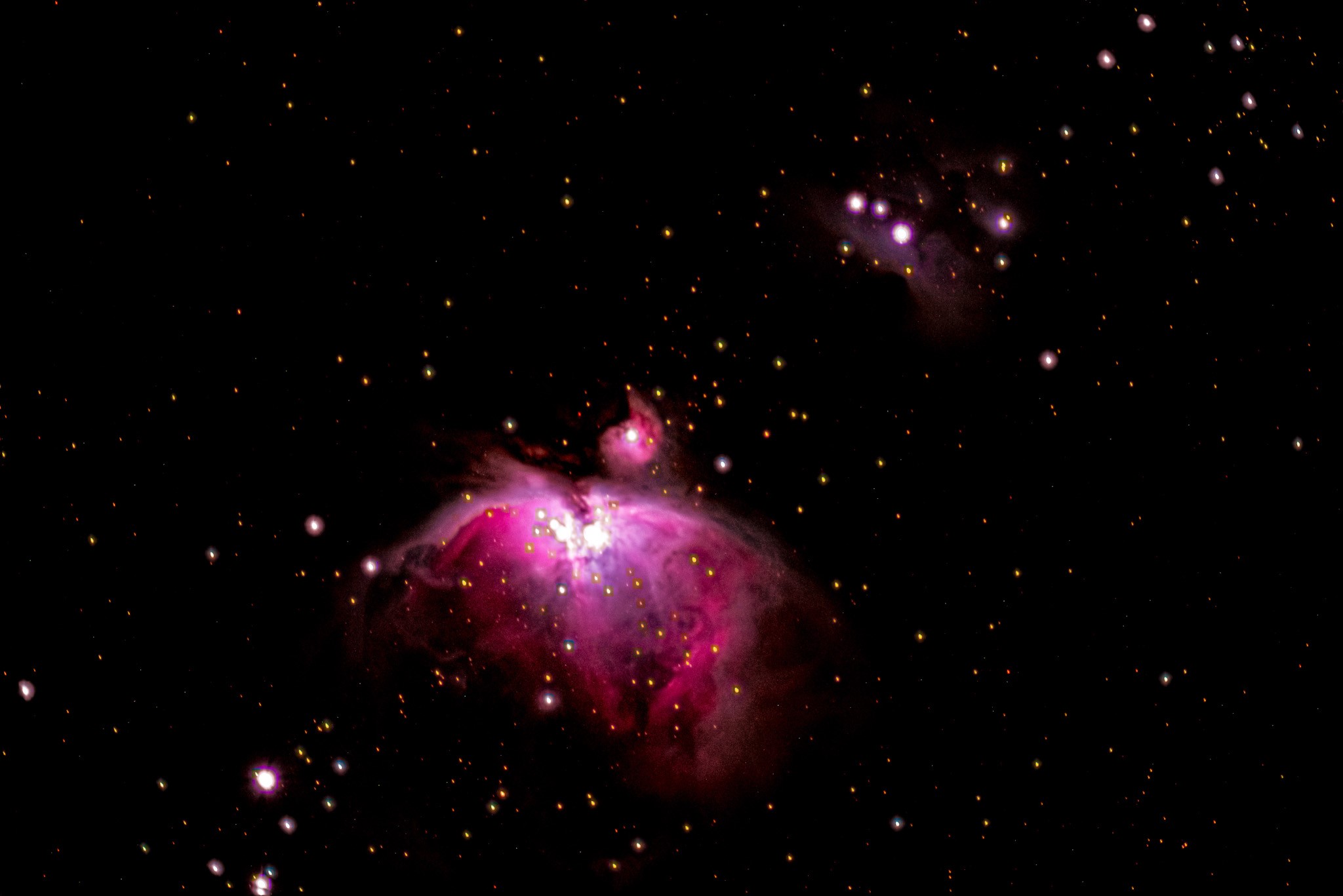
Bernard is an accomplished Astro-photographer whose work has featured in Astronomy Magazine and website, Sky and Telescope Website, the NASA APOD website and at the Royal Observatory in Greenwich. Bernard received the second place award in the Galaxy category in the Astronomy Photographer of the Year contest in 2017.
https://www.youtube.com/watch?v=8m4nZ2seAEg&list=PLIpTYgYT48rMUr4gYwcs56Fma1jHUVrNK&index=5&t=3s&pp=gAQBiAQB
Post Processing Astrophotography Images

Astrophotography Made Easy by Peter Zelinka October 19 2021.

Peter Zelinka, is an amazing nature photographer who spent a few years teaching photography, and taking photographs while living out of his car and traveling across the country! For some years now he has been doing and teaching astrophotography and has developed tons of online courses and tutorials that are very popular.

“Astrophotography Made Easy” should appeal to a lot of folks who are either sitting on the fence thinking about doing astrophotography or want to get started without making heavy investments. If you love the objects in the sky and own a camera, Peter will have tips for getting you started and getting good results. Peter is a great educator, if you don’t know already – many of us got started watching Peter’s YouTube videos!

https://www.youtube.com/watch?v=g_XizaVu6Io&list=PLIpTYgYT48rMUr4gYwcs56Fma1jHUVrNK&index=4&t=1s&pp=gAQBiAQB
Astrophotography Made Easy

First Principles of Astrophotography by Richard S. Wright November 16, 2021

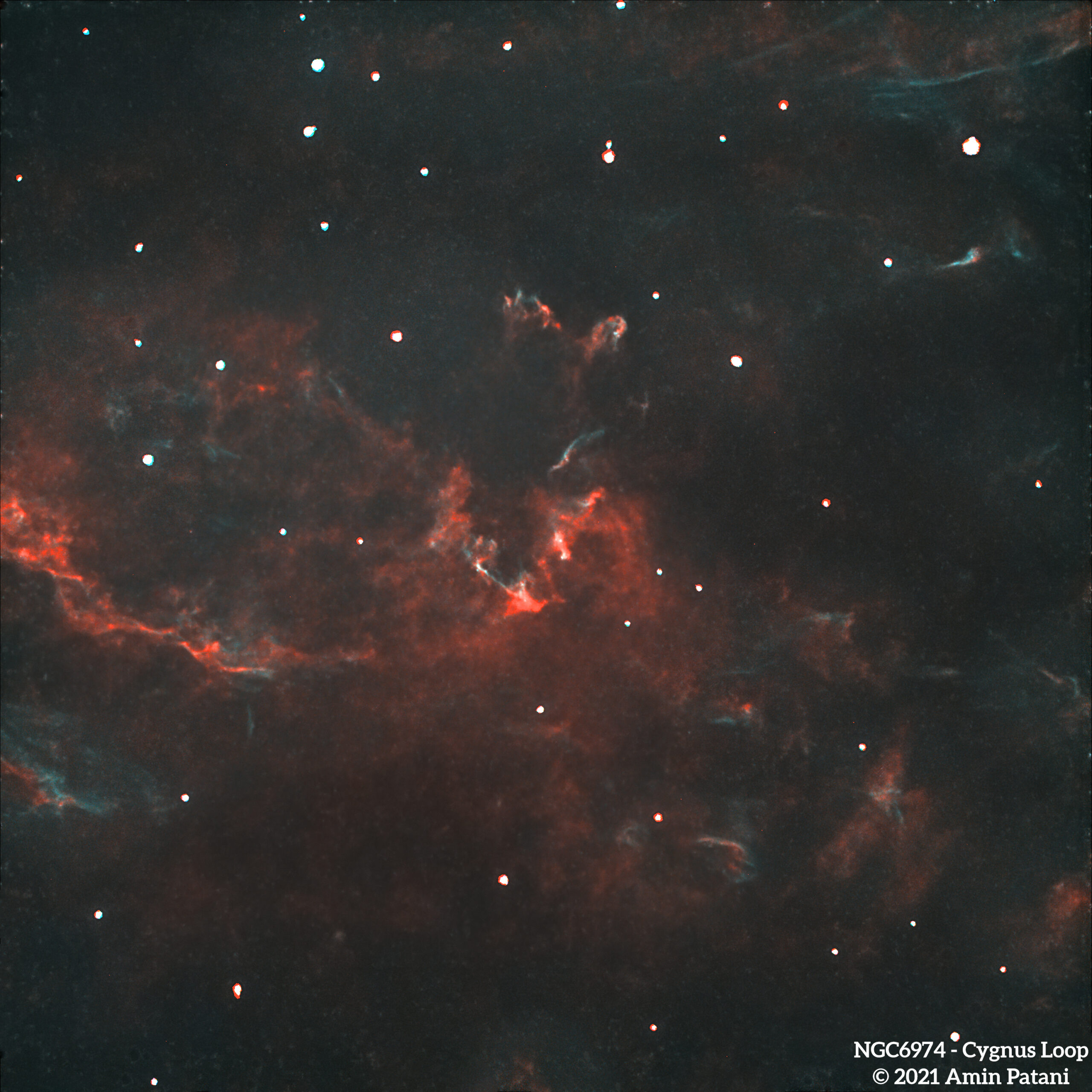
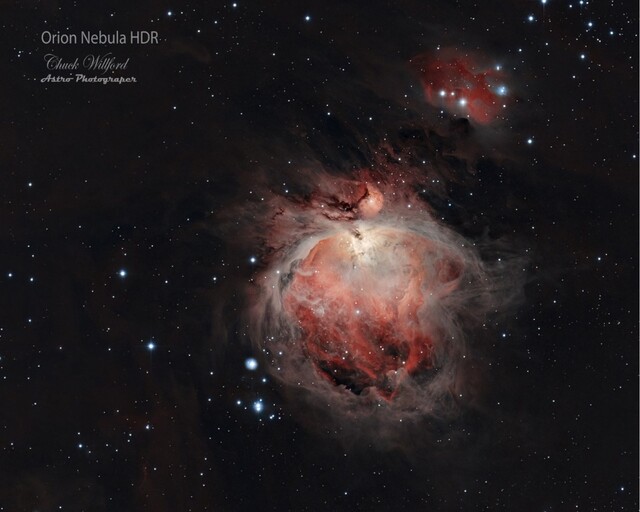
Whether you are just becoming interested in astrophotography or have been imaging for years, a review of the first principles of astrophotography will provide an introduction or refresher to the core principles and practices to getting your best results. How do telescopes and cameras work together? What kind of results are reasonable to expect for a given set of equipment? Richard talks about these things and more during an hour long review of the art and science of astrophotography. Richard is an engaging and enthusiastic presenter and the presentation should be interesting and fun whether you are interested in astrophotography or EAA.

Richard S. Wright Jr. has been an amateur astronomer for most of his life and a serious imager for over two decades. His images have appeared in numerous magazines, web sites, commercial advertisements, and NASA’s Astrophoto of the Day (APOD). Richard is a computer graphics and imaging specialist and a contributing editor at Sky & Telescope magazine where he also has a monthly web blog on astrophotography. You can visit his web gallery at www.eveningshow.com
https://www.youtube.com/watch?v=0xdf8nLfCKA&list=PLIpTYgYT48rMUr4gYwcs56Fma1jHUVrNK&index=3&pp=gAQBiAQB
First Principles of Astrophotography

Astro Imaging by Larry Matney March 2, 2022

Larry, a WVAC member, started his astrophotography journey about six years ago. He has found it to be the most demanding type of photography he has attempted because of the necessary equipment, knowledge that must be obtained, and skill that must be developed. Larry will show some of his astrophotography images taken over the last year and briefly describe the evolution of his equipment and processing.

https://www.youtube.com/watch?v=Rh0ZMoyNIMk&list=PLIpTYgYT48rMUr4gYwcs56Fma1jHUVrNK&index=2&t=1s&pp=gAQBiAQB
Astro Imaging

Supernova Remnants – Astro-imaging targets by Amin Patani March 2, 2022

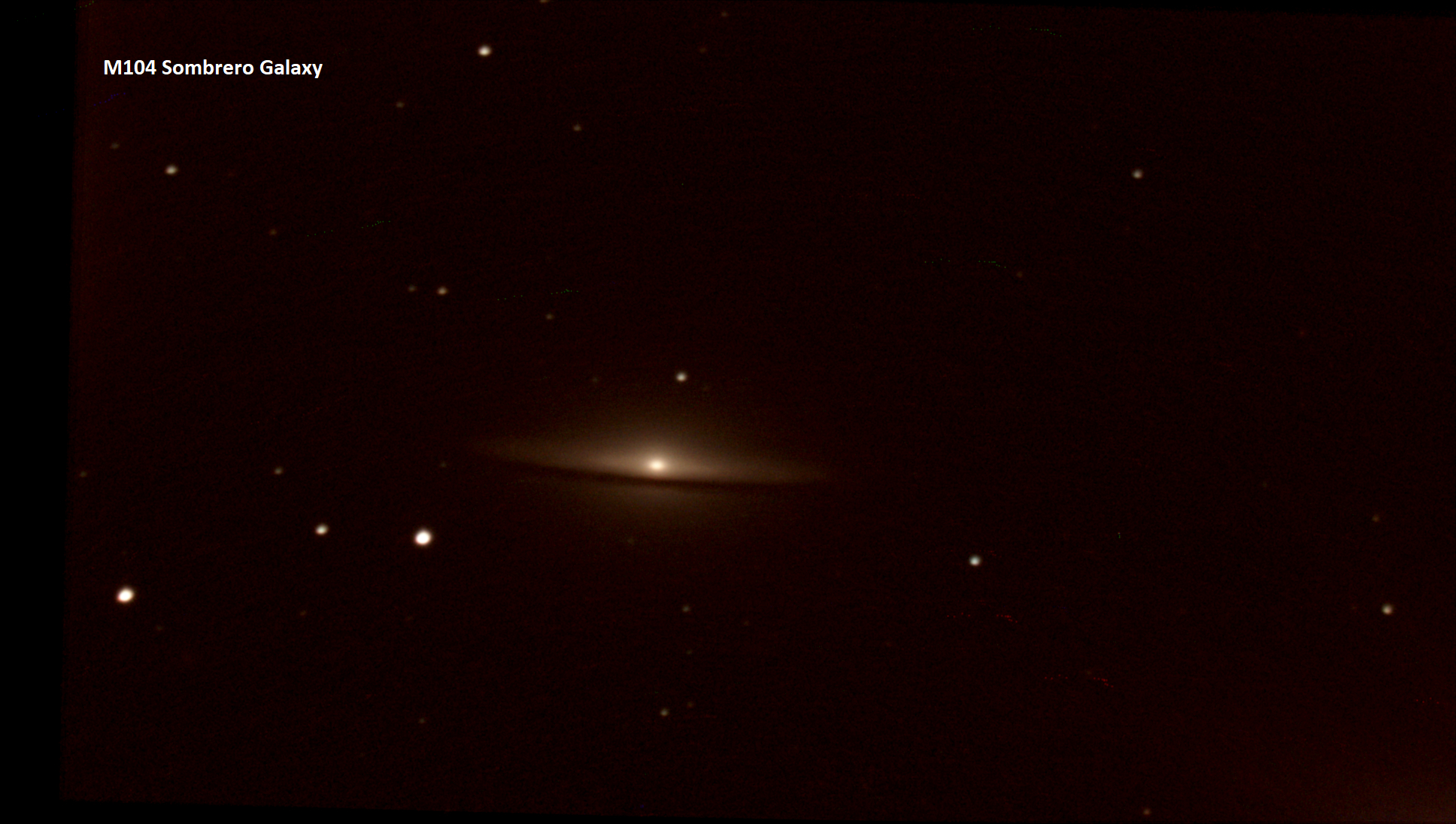
Supernova remnants are beautiful astro-imaging targets. Amin, WVAC member, will show images he has taken of some of the remnants and share what he has learnt along the way about these particular objects and search for supernovae.
https://www.youtube.com/watch?v=rkNCwGiuYoA&list=PLIpTYgYT48rMUr4gYwcs56Fma1jHUVrNK&index=1&t=2s&pp=gAQBiAQB
Supernova Remnants – Astro-imaging targets

  • 1
  • 2
  • Next Page »
  • About
  • Contact Us
  • Members Only
  • Member Login

Copyright © 2026 · West Valley Astronomy Club