April 2026 – Private STEM Event
Host Huda Clemens


The WVAC is a friendly, engaging, and informative Astronomy Community in the West Valley. We have an exciting program of activites from September to May. We invite you all to participate in our activities. We think joining us will enhance your interest in astronomy and astroimaging while having fun at the same time. Consider becoming a member. Our active members use a variety of telescopes, mounts, cameras and electronics, do visual astronomy or electronically assisted astronomy with cameras, or astrophotography by processing many hours of data captured by electronic cameras. We actively share our knowledge and experience with young and old, novices or experts. Please visit our website WWW.WVAC.NET
April 2026 – Private STEM Event
Host Huda Clemens
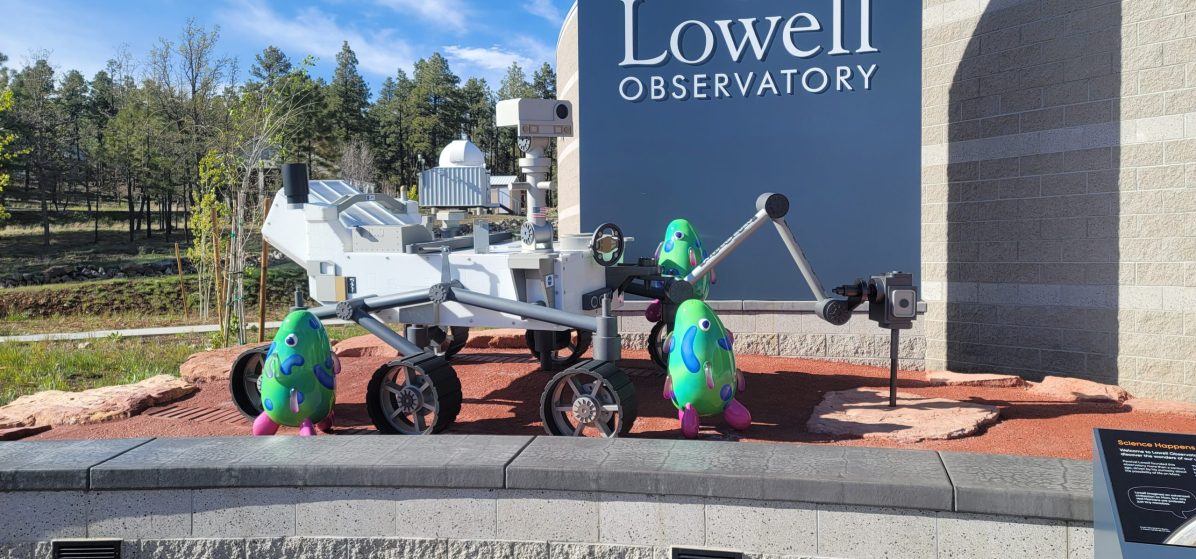
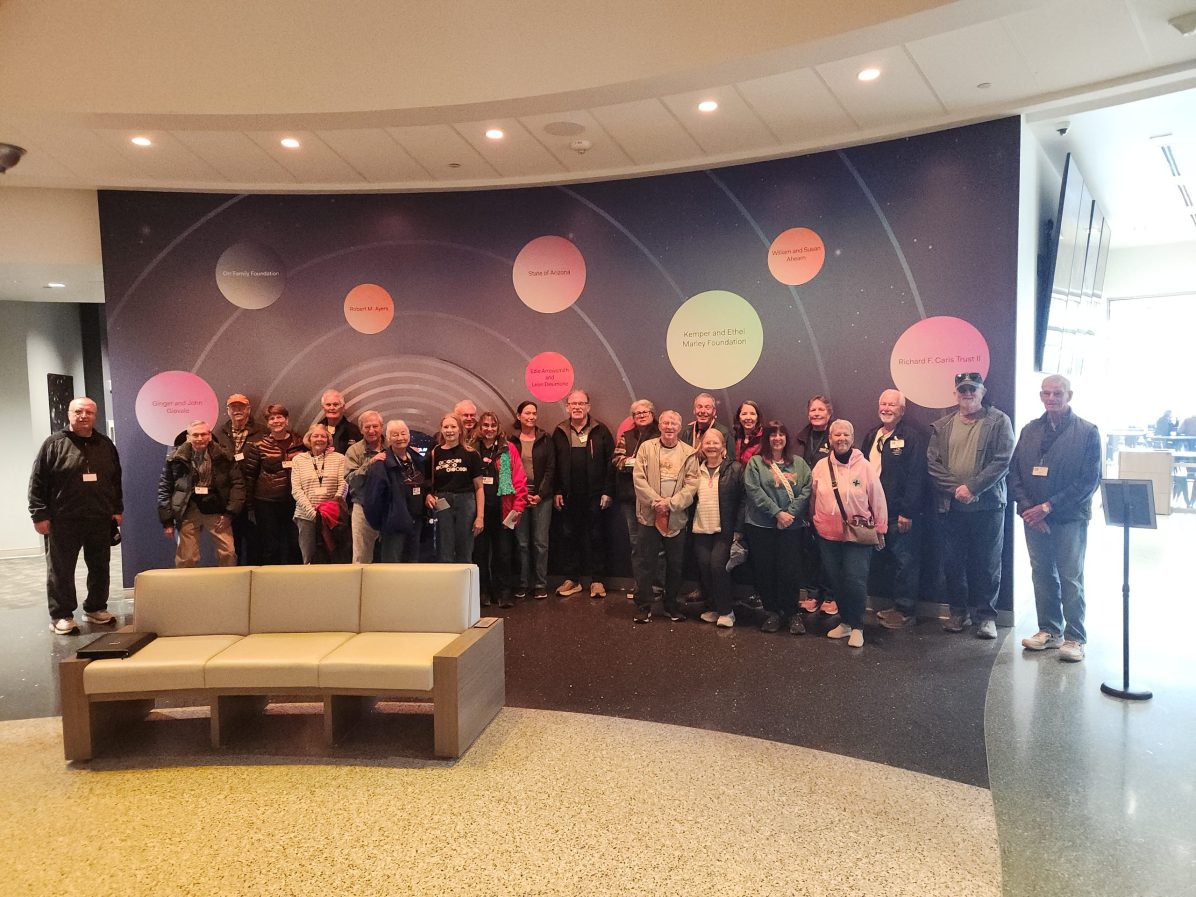
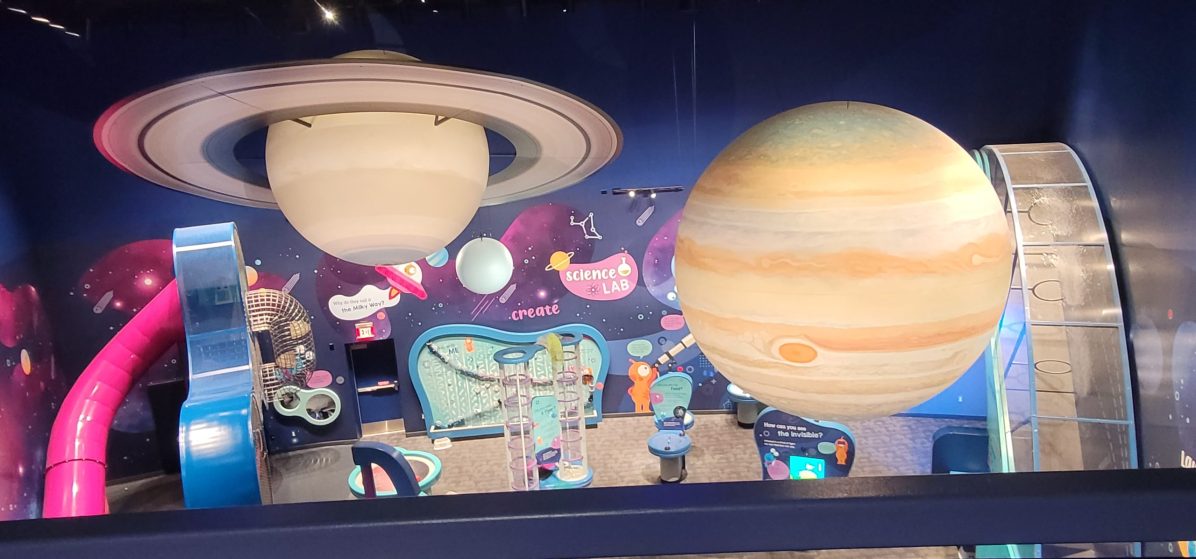
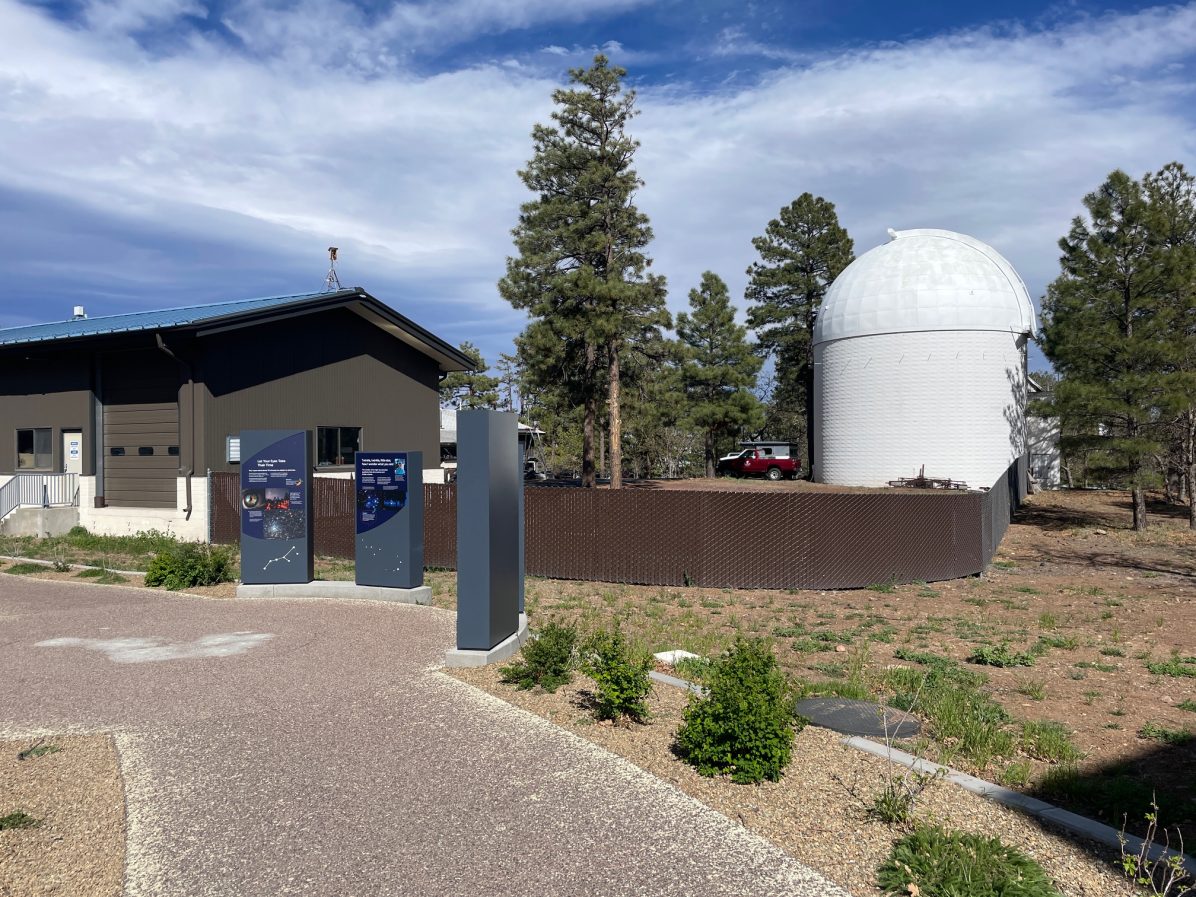
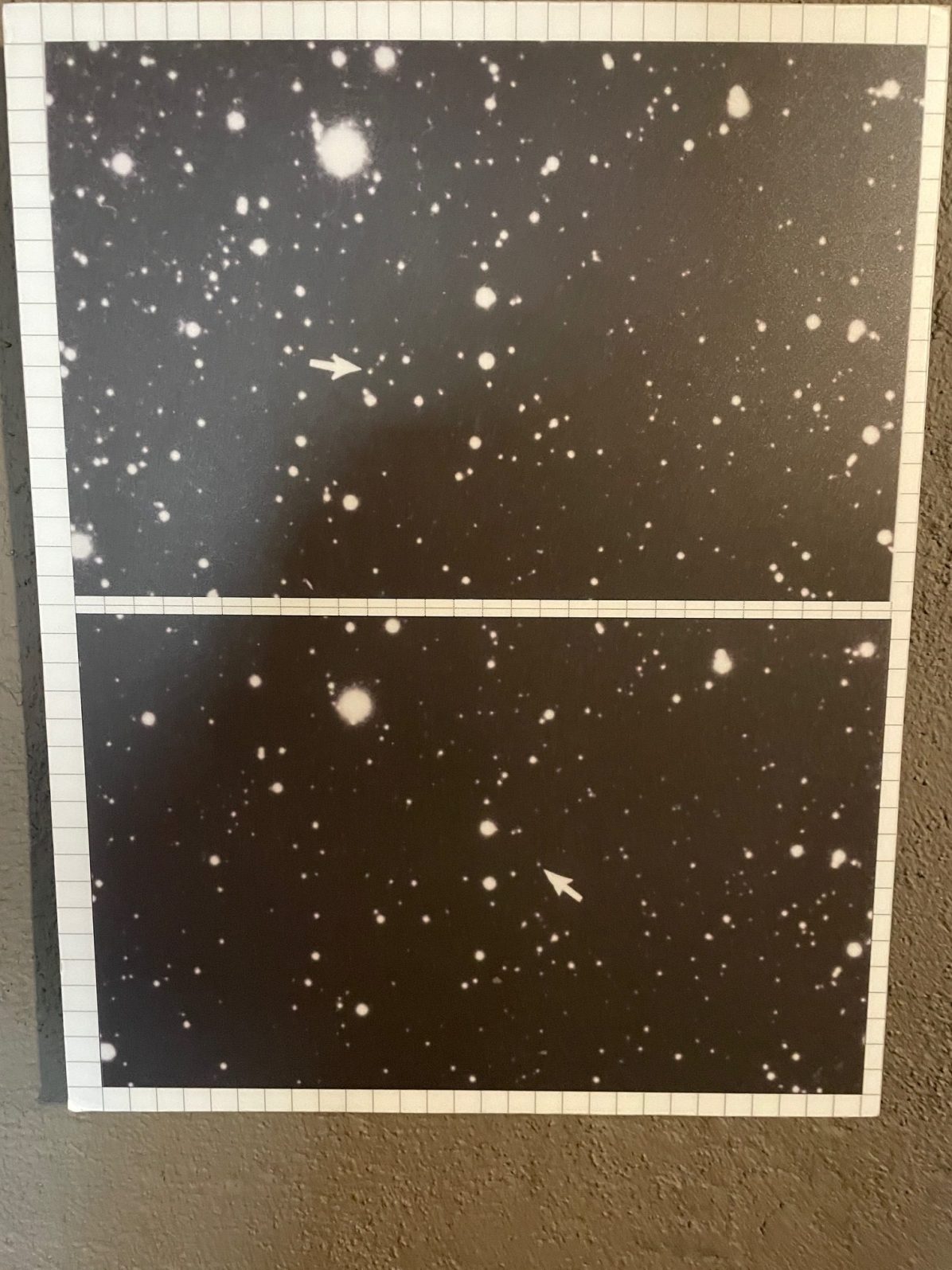
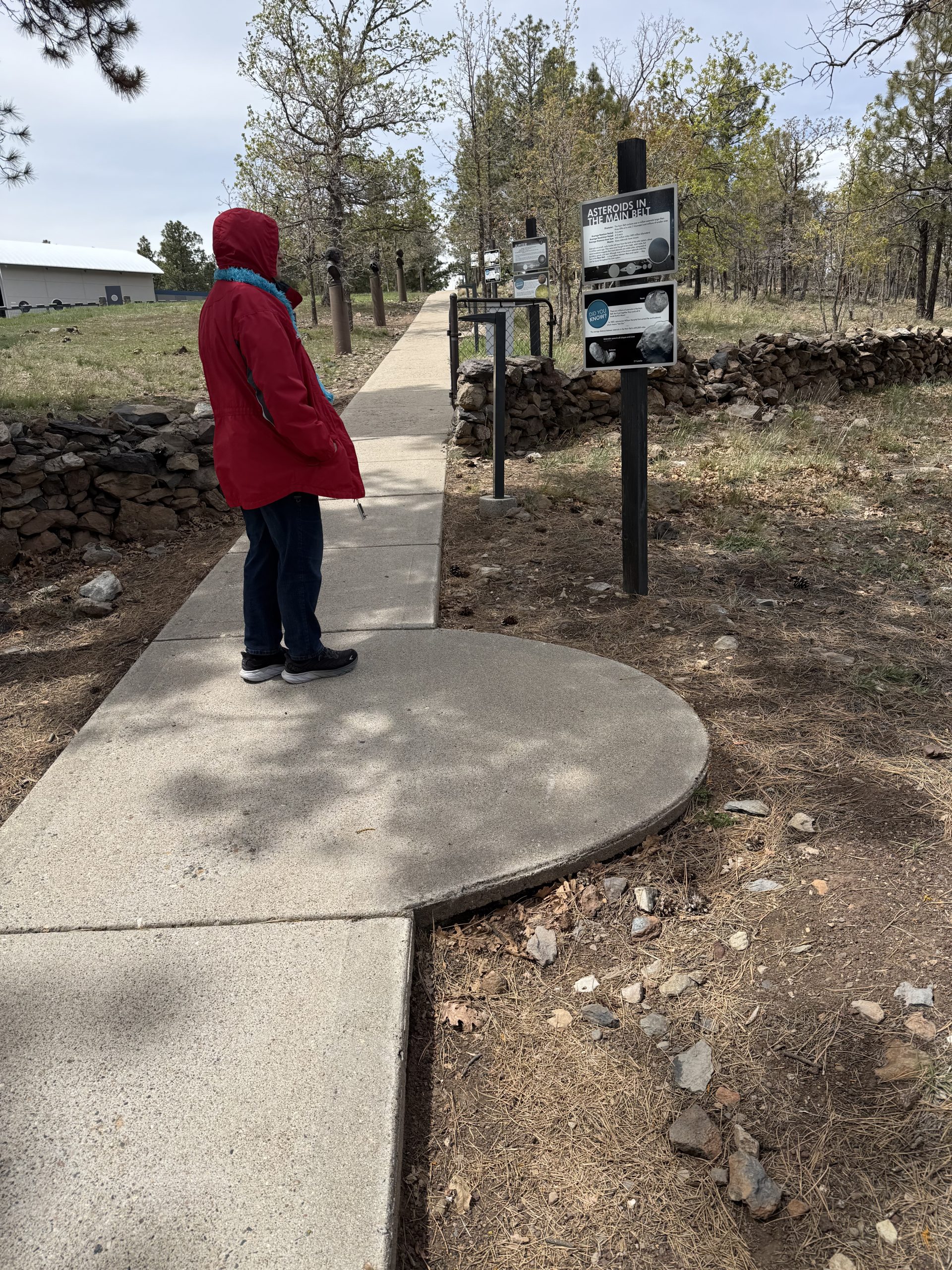
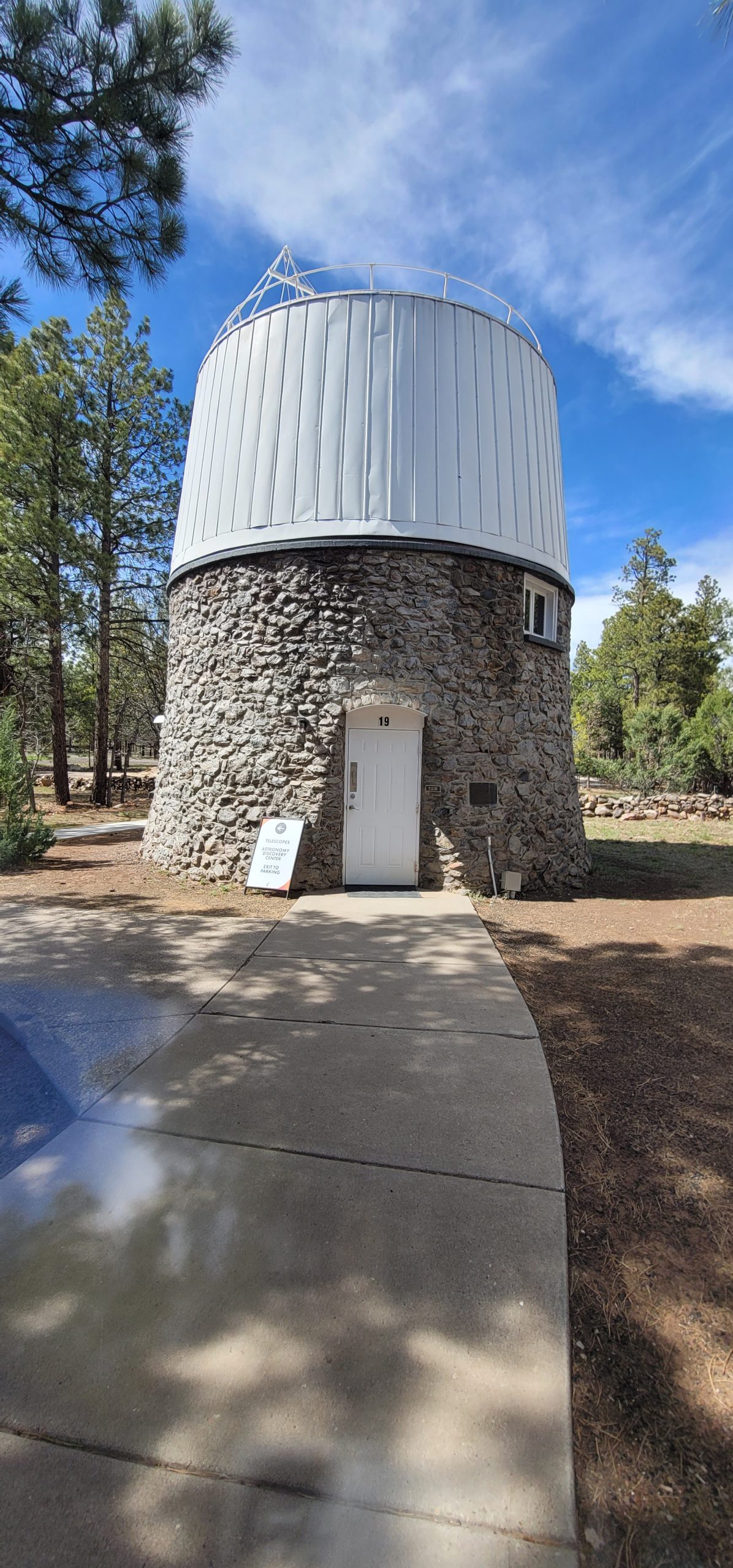
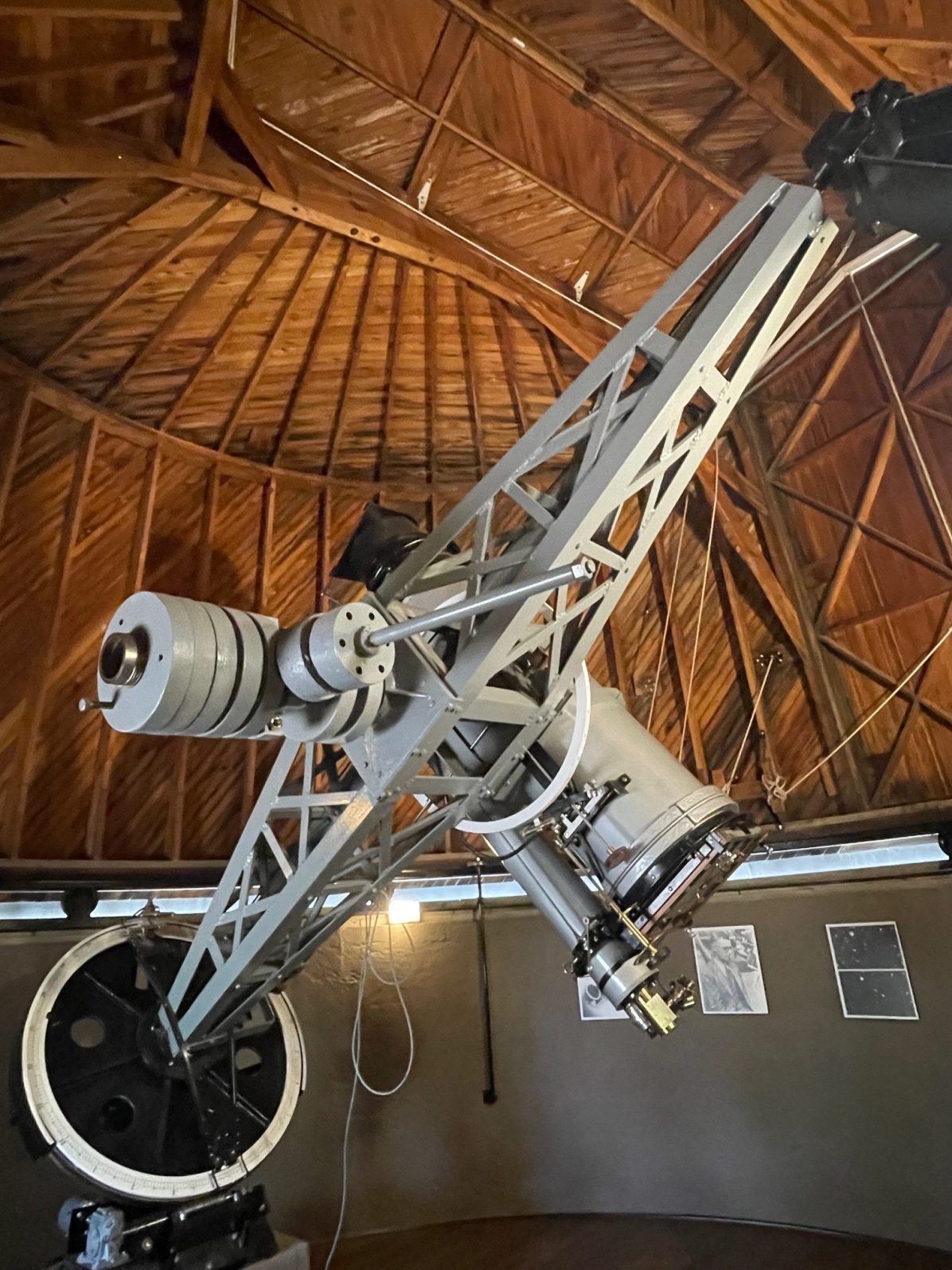
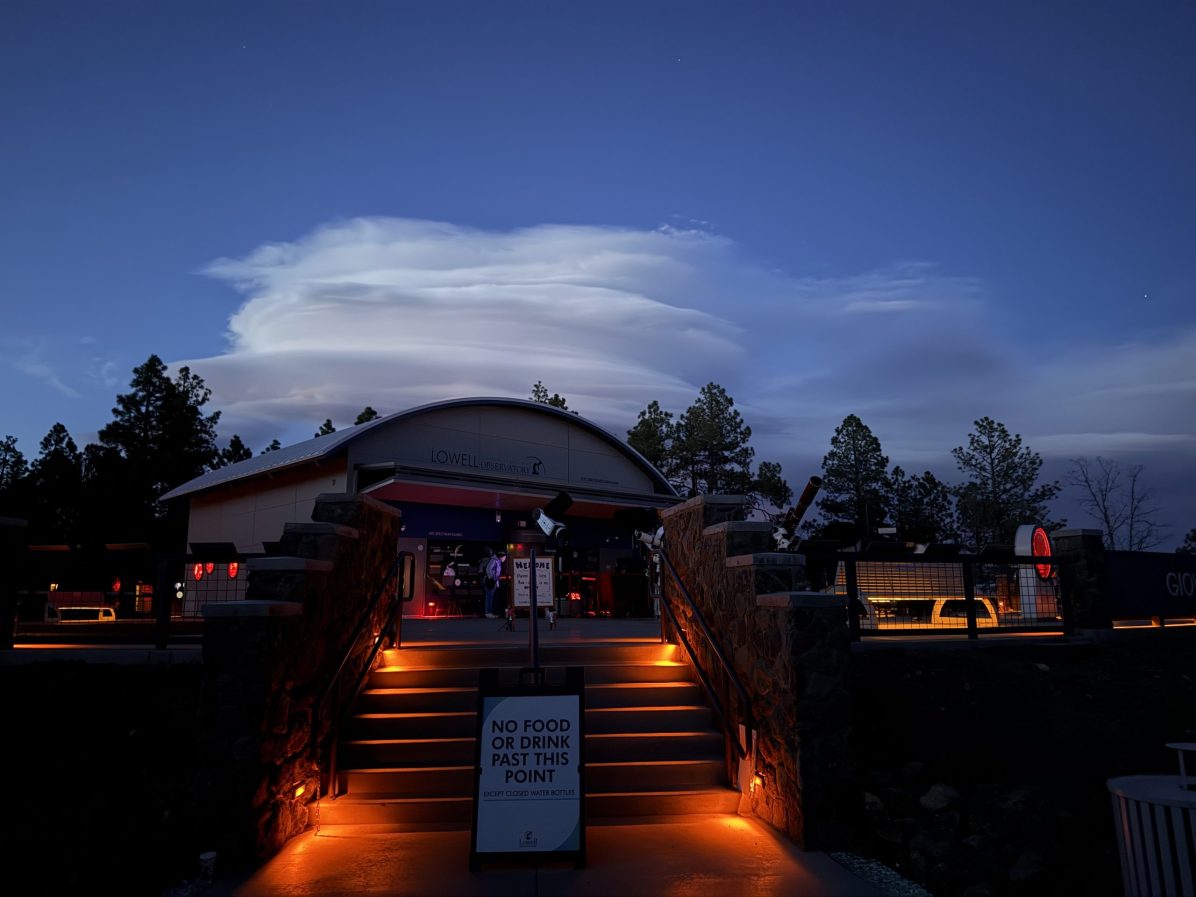
On April 6th 2026 30 members of the club made the trip up north to Lowell Observatory to visit the new facility and enjoy the night sky with the open deck planetarium. The day started out cloudy and windy but by noon the sky was opening and by the evening we had clear skies for an wonderful walk thru the night sky by one of the Lowell staff. The wind was still blowing but everyone dressed for the weather and enjoyed the event. 18 of us stayed at the Drury Inn and enjoyed the 5:30 drinks and hors d’oeuvres and the next morning a wonderful breakfast. If this trip is planned again we’ll have try and get a group rate at this hotel.
April 7th 2026 General Meeting
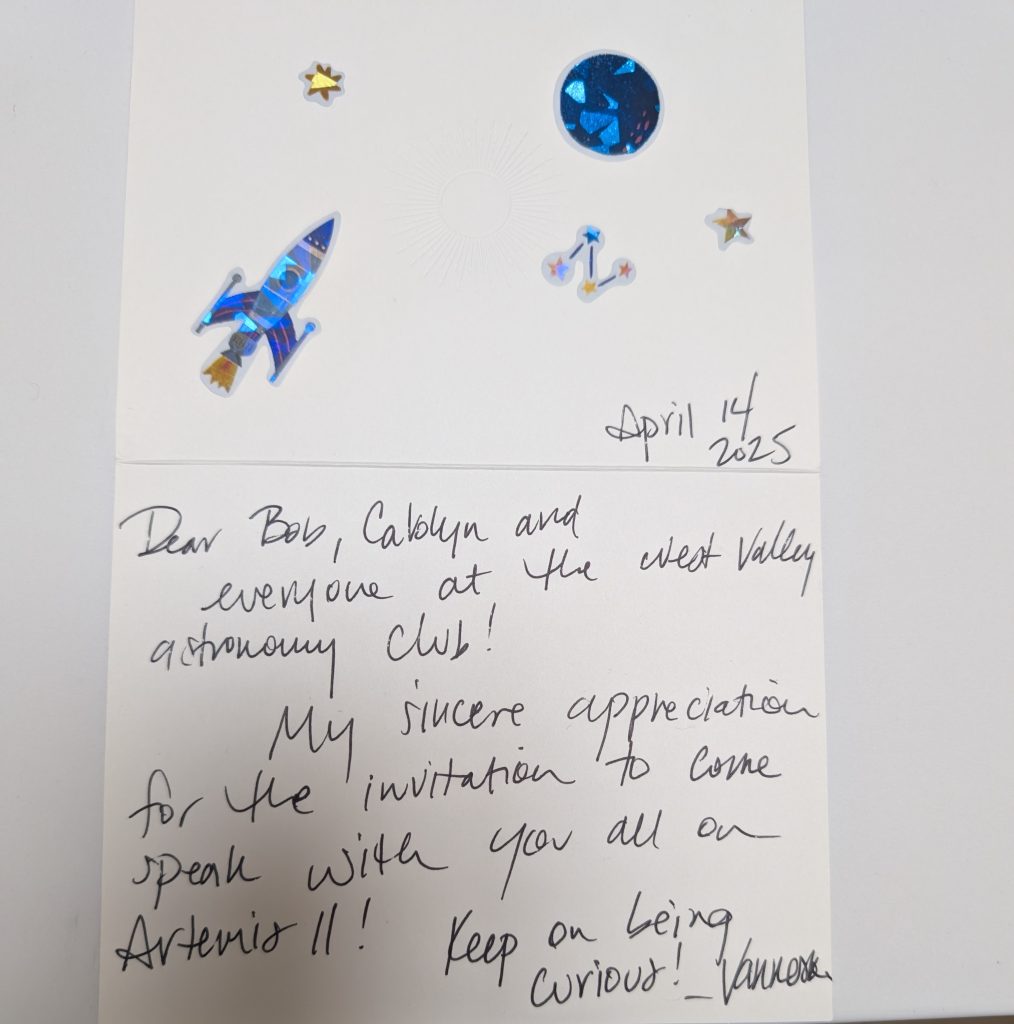
Speaker: Vannessa Gressieux
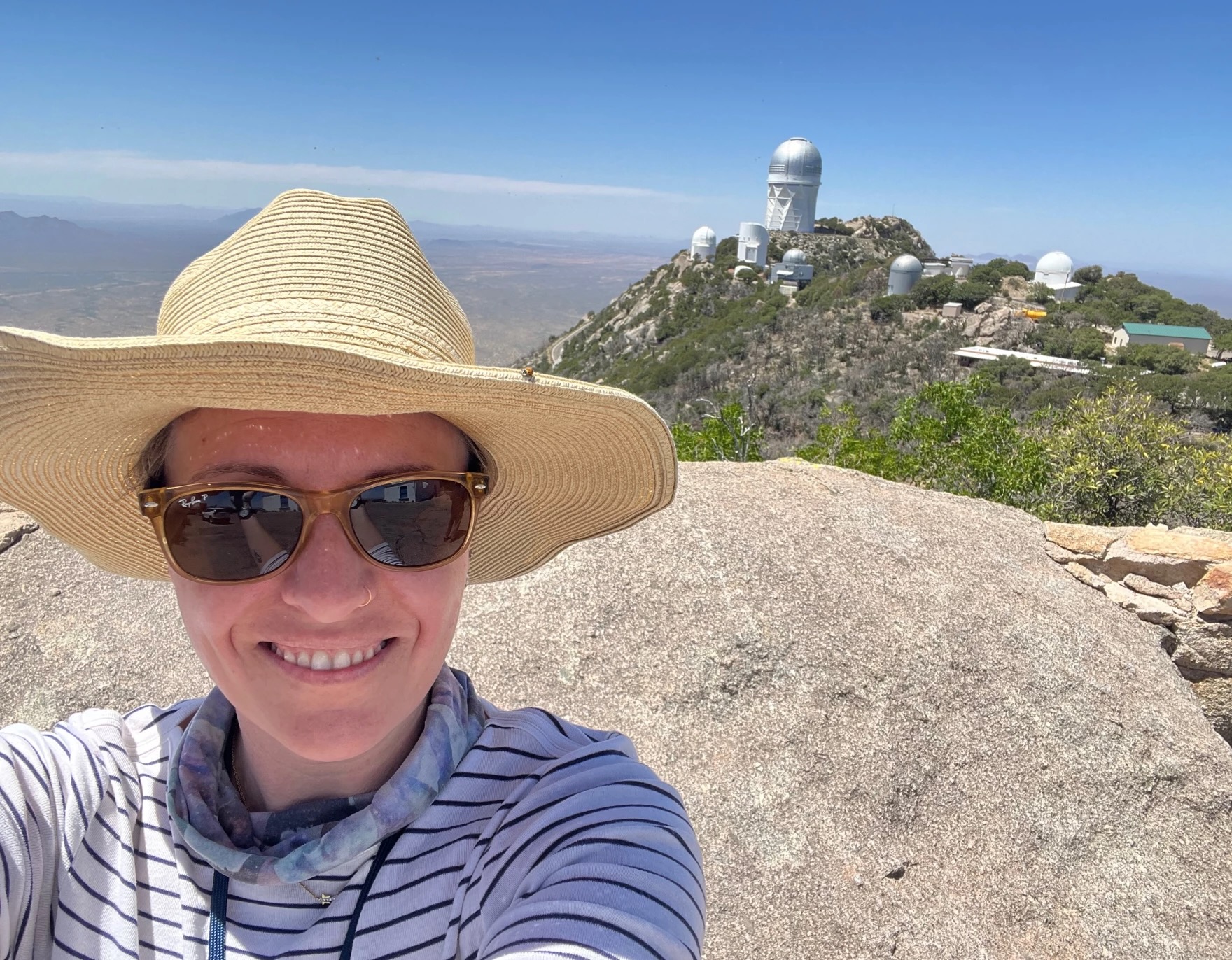
Topic: “We Choose to Go to the Moon” – Vannessa explores and reflects on a moment when ambition, curiosity, and conviction aligned in a way that reshaped what we believed was possible. Using President Kennedy’s historic challenge as a starting point, it explores why we pursue difficult things, not because they are easy, but because they ask more of us. It connects the spirit of the early space program to the work we do today, where exploration is not just about distance, but about perspective. At its core, this is a story about choosing to move forward with intention, even when the outcome is uncertain, and about what becomes possible when people commit to something larger than themselves.
Bio: Vannessa Gressieux is a leader in public engagement and science communication, focused on creating meaningful connections between people and place. Her work has been shaped by roles at the Richard F. Caris Mirror Lab, UA SkyCenter, and UA Sky School, as well as her continued work at NSF’s NOIRLab Kitt Peak National Observatory, where she supports audiences from the region and beyond. Now in her seventh year as a NASA Solar System Ambassadors participant, she is deeply engaged in translating complex ideas into experiences that are accessible, thoughtful, and grounded in curiosity.
With a background spanning education, operations, and program development, Vannessa has led initiatives that bring public audiences into closer relationships with science and discovery. She is especially interested in how shared experiences can inspire learning, stewardship, and a deeper sense of belonging.
5:30 Astro Imaging Meeting
7:00 General Meeting
Speaker: Dr. Rogier Windhorst

Topic: Astrophysicist Rogier Windhorst takes us on a journey through the cosmos using the groundbreaking discoveries of the James Webb Space Telescope (JWST). Learn how JWST’s infrared technology reveals hidden galaxies, stellar nurseries, and distant black holes, shedding light on questions like: How are stars and planets formed? and What role does cosmic dust play in the universe? Drawing from Einstein’s theories, Windhorst explores the power of gravitational lensing and our deep connection to the universe, reminding us that we are truly “made of stardust.” This engaging talk offers a glimpse into the cosmic circle of life and our place in it. (Source: YouTube)
Bio: Dr. Rogier Arnold Windhorst is an astronomer and a professor of physics and astronomy at Arizona State University. He received his Ph.D. in astronomy in 1984 from the University of Leiden and did post doctorate work at Mt.Wilson and Las Campanas Observatories. He currently serves as associate chair at Arizona State and is among six Arizona state faculty who were awarded Regents Professor appointments in 2006; he presides over the School of Earth and Space Exploration at the university.[1] In 2008, he became Foundation Professor of Astrophysics at Arizona State University and co-director of the ASU Cosmology Initiative.
Windhorst has authored over 100 published scientific papers and has given over 125 lectures at seminars. His research has led to new understandings of how the universe first began. He also studies black holes. His research focuses on Astrophysics and Space Science, and he is the principal investigator of the Hubble Space Telescope mid-UV bright galaxy survey. He is one of the six Interdisciplinary Scientists worldwide for the James Webb Space Telescope, and member of the JWST Flight Science Working Group. Windhorst is involved in planning the JWST science performance, and in critical oversights of its entire design and construction phase. (Source: Wikipedia)
An extremely rare and sought after WO Megrez 80 APO with the LOMO OK-4 lens in excellent condition. I acquired this scope in an estate sale situation from the original owners relatives. It came to me as a complete package and I would like to keep it that way. Along with the scope, in a #1550 Pelican case, was the following equipment;
WO 90° 2″ Quartz Diagonal
WO 45° 1.25″ erecting prizm
WO DCL-52 field flattener
WO 2″ extension tube
Baader Planetarium Sky Surfer V red dot finder
Thousand Oaks Glass solar filter
3 Pentax SMC XW eyepieces , 5mm, 10mm, and 20mm
A set of WO Premium tube rings and a Vixen style dovetail
All of these items are in excellent condition. A total value of around $3500.
I thought that I would never part with this scope, but because of health reasons I want it to go to a good home rather than end up on Craig’s list.
I’m asking $2000 for the complete package.
Contact Information:
stanleyschlieper@gmail.com
949-335-2768